No bail for Bengaluru lawyer who took money to arrange gym trainer’s murder
Source Entity
Johnson T A
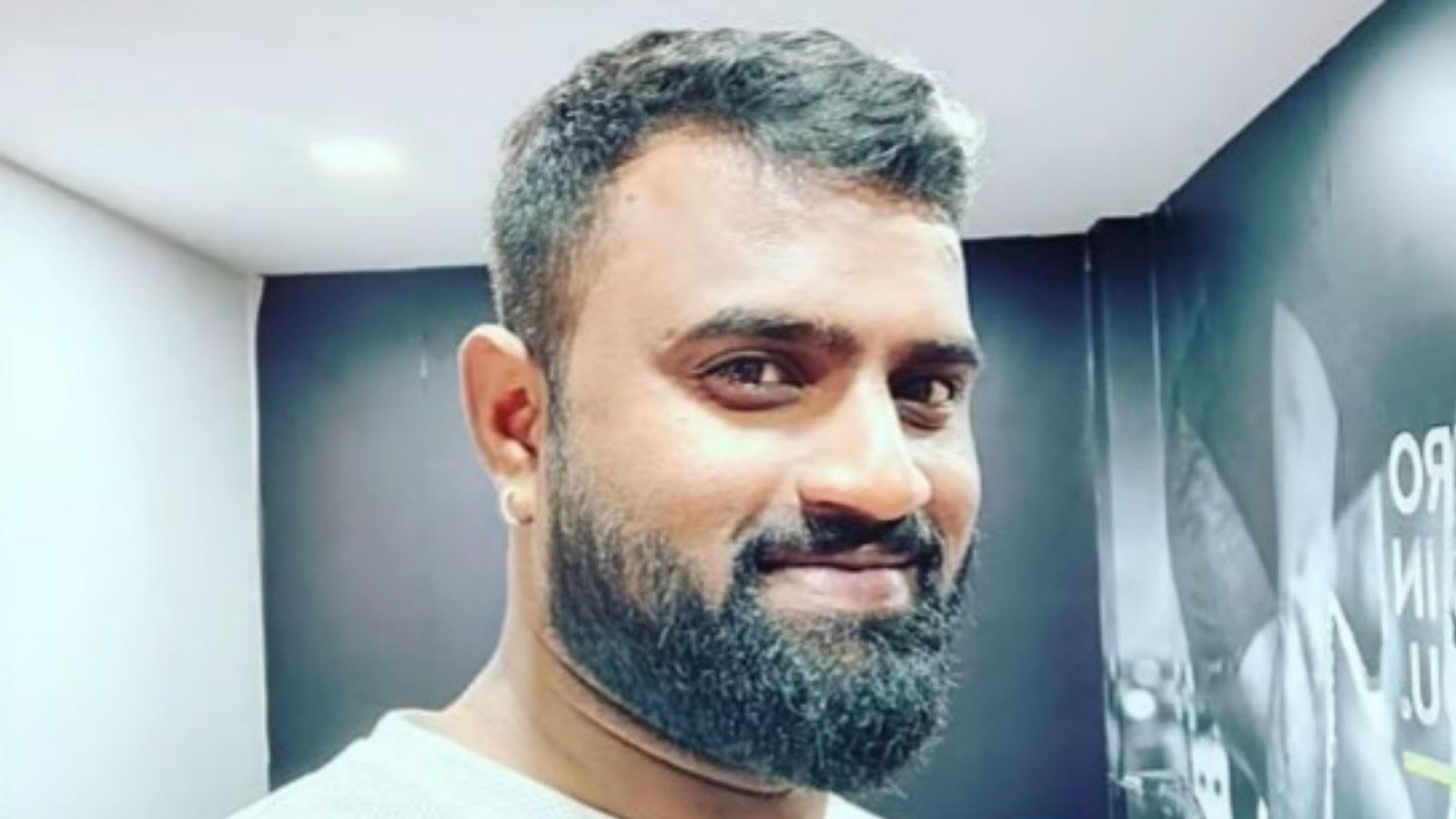
A Bengaluru court has denied anticipatory bail to advocate B Lokesh, accused of orchestrating the contract killing of a gym trainer. The judge emphasized that legal professionals have a duty to uphold societal reform, not engage in criminal violence.
Judicial Stance on Legal Ethics and Criminality
In a stern ruling delivered on July 22, a district court in rural Bengaluru denied the anticipatory bail plea of B Lokesh, a 39-year-old advocate implicated in a contract killing. The court’s decision serves as a significant commentary on the ethical boundaries of the legal profession. By rejecting the plea, the judiciary has signaled that a law degree does not grant immunity from the consequences of criminal activity; rather, it imposes a higher standard of conduct.
The Gravity of the Allegations
The case involves a lethal nexus between professional services and violent crime. According to the court proceedings, B Lokesh is accused of accepting financial compensation from Prasad Rao, a 50-year-old real estate businessman, to facilitate the murder of Vijay Kumar, a 35-year-old gym trainer. The nature of these allegations—premeditated homicide for hire—places the case outside the realm of standard criminal defense, categorizing it as a grave offense against the social order.
The Role of the Advocate in Society
The presiding judge highlighted a fundamental principle of the legal system: the advocate as an agent of societal reform. The court explicitly stated that an advocate’s involvement in murder cases is antithetical to the core tenets of advocacy. This ruling underscores that the legal fraternity is expected to function as a pillar of justice and public order. When a member of the bar allegedly uses their status to coordinate violence, the court views this as a betrayal of the oath of office.
Legal Precedent and Bail Criteria
Under Indian law, the granting of anticipatory bail is a discretionary power exercised by courts, typically reserved for cases where the accused may be falsely implicated or where custodial interrogation is unnecessary. In this instance, the court determined that the seriousness of the charges and the alleged role of the advocate in orchestrating the crime made the offense non-bailable. By denying the plea, the court has prioritized the integrity of the investigation into the death of Vijay Kumar over the personal liberty of the petitioner.
Broader Implications for the Legal Profession
This incident raises broader questions regarding the professional oversight of legal practitioners. The judiciary's sharp rebuke serves as a warning to those who might leverage their legal knowledge to circumvent the law. As the investigation progresses, the case will likely spark further debate within the bar associations about self-regulation, ethics, and the vetting processes for those entering the legal profession to ensure that such instances of criminal complicity remain rare.
Conclusion
The denial of bail to B Lokesh marks a critical moment in the ongoing legal proceedings surrounding the death of Vijay Kumar. By emphasizing that the petitioner's alleged actions stand in direct opposition to the duties of an advocate, the Bengaluru district court has reinforced the sanctity of the legal profession. As the case moves forward, the focus will remain on the pursuit of justice for the victim and the maintenance of public trust in the judicial system.