‘Ground for independent probe’: Top court on police action on CJP protests
Source Entity
Ananthakrishnan G
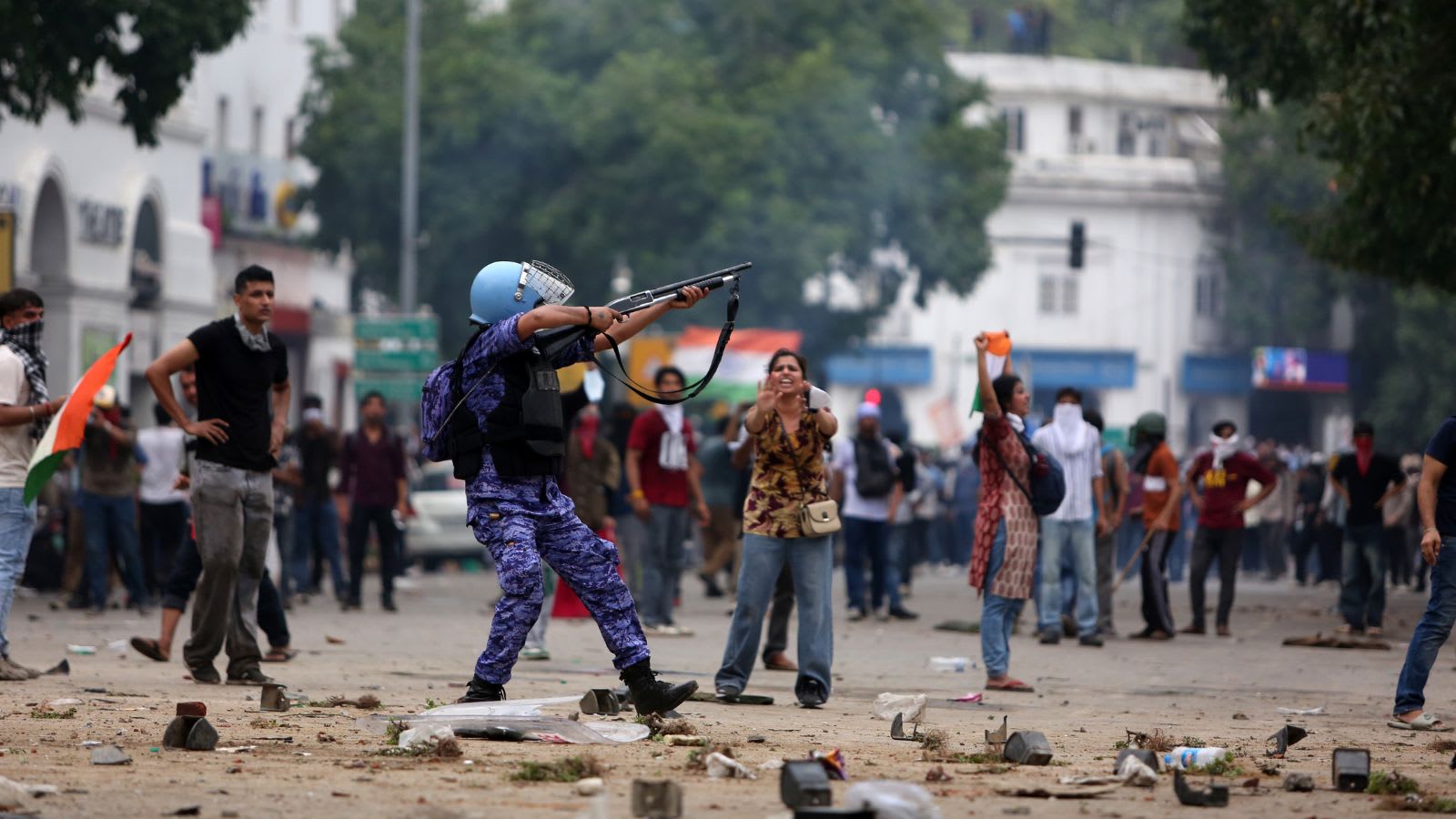
The Supreme Court has ordered an independent investigation into alleged police excesses against students protesting NEET paper leaks. The bench, led by CJI Surya Kant, is considering a Special Investigation Team to ensure accountability and establish future protest protocols.
Supreme Court Intervenes in Student Protests
The Supreme Court of India, led by Chief Justice Surya Kant, has taken a decisive stance regarding the recent wave of student protests across the country. Addressing petitions concerning alleged police brutality against students demonstrating against NEET examination paper leaks, the bench emphasized that the right to peaceful and lawful protest is a fundamental guarantee under the constitutional scheme of India. The court’s intervention follows widespread reports of excessive force, including alarming allegations of the use of AK-47 rifles and pellet guns against demonstrators.
The Need for Independent Accountability
During the proceedings, the bench—which includes Justices Joymalya Bagchi and V Mohana—noted that a prima facie case exists for a transparent, independent inquiry. The court explicitly stated that "whosoever committed excesses" and took the law into their own hands must be held accountable. By demanding replies from the Centre and state governments—specifically Delhi, Maharashtra, Bihar, Assam, West Bengal, Kerala, and Uttar Pradesh—the judiciary is signaling a multi-jurisdictional approach to addressing civil rights violations.
Potential for an SIT and Future Protocols
One of the most significant developments in this hearing is the court's consideration of establishing a Special Investigation Team (SIT) to conduct a thorough and impartial probe. Beyond merely investigating the specific incidents of violence, the Supreme Court aims to utilize this inquiry to frame a standardized protocol for handling student agitations. This move seeks to bridge the gap between maintaining public order and protecting the fundamental right to dissent, ensuring that law enforcement agencies adhere to defined legal frameworks.
Constitutional Implications of the Crackdown
The court’s firm rhetoric serves as a reminder that police excesses cannot be justified simply by the existence of an agitation. The agitation, which saw students gathering under the Cockroach Janta Party (CJP) banner and marching towards Parliament, has highlighted a systemic tension between state security measures and student activism. By calling for an independent commission, the Supreme Court is positioning itself as the ultimate arbiter in protecting the democratic space for youth-led protests against administrative failures.
Broader Context and Future Trends
The ongoing legal battle initiated by figures such as Rajya Sabha MP Manoj Kumar Jha underscores the political gravity of the NEET paper leak controversy. As the judiciary continues to monitor the situation, the outcome of this probe will likely set a legal precedent for how police forces interact with protesters in the future. The expectation is that the findings will not only provide justice to the aggrieved students but also serve as a deterrent against the unchecked use of force by state authorities during civil unrest.