Bengaluru citizens flag neighbour’s vehicles as ‘abandoned’ over parking feuds
Source Entity
India Latest News: Top National Headlines Today & Breaking News | The Hindu
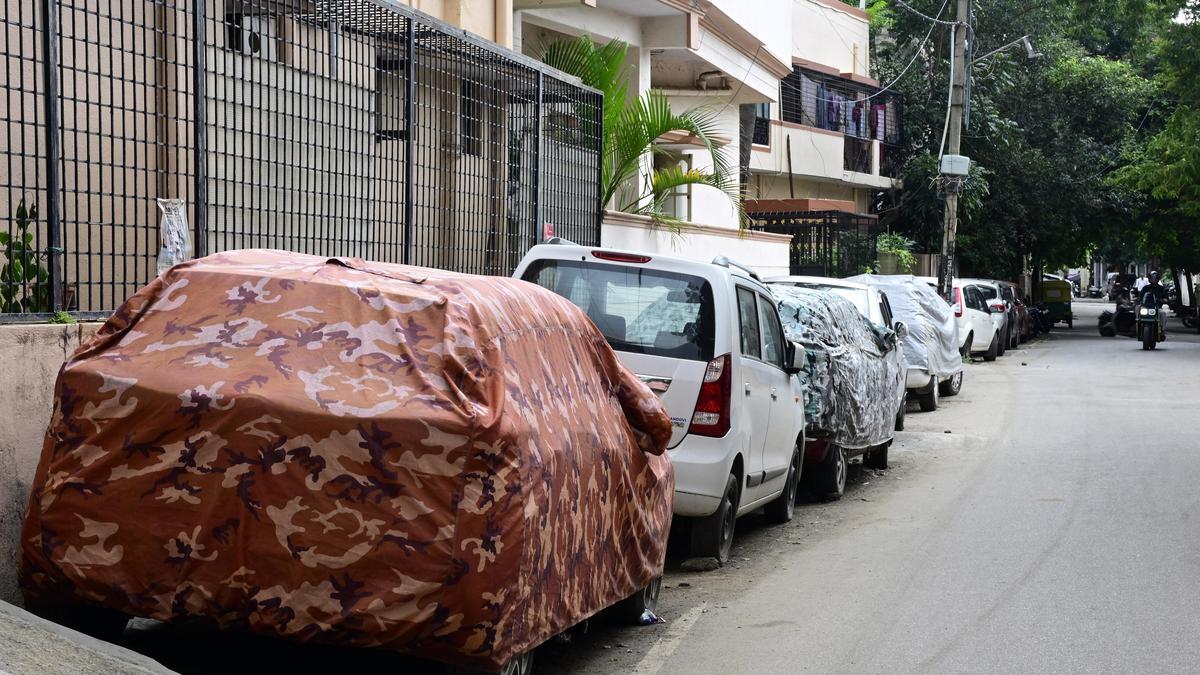
Bengaluru residents are abusing the city's abandoned vehicle clearance drive to settle personal parking disputes. Nearly half of the 6,000 reports filed via the ASTraM app have been identified as false or malicious complaints.
The Weaponization of Civic Reporting in Bengaluru
Bengaluru, a city grappling with rapid urbanization and severe infrastructure constraints, has launched an ambitious initiative to reclaim public space. The Greater Bengaluru Authority (GBA), in coordination with the Bengaluru Traffic Police (BTP), initiated an abandoned vehicle clearance drive aimed at clearing footpaths and roadsides of derelict automobiles. This move was intended to improve pedestrian safety and alleviate the city's notorious traffic congestion, with citizens invited to participate via the ASTraM app.
The Misuse of Digital Governance
While the ASTraM app was designed to empower residents to act as the eyes and ears of the administration, it has inadvertently become a tool for neighborhood retaliation. Out of approximately 6,000 vehicles reported for removal, nearly 50% have been flagged as false complaints. This high rate of invalid reports suggests that the system is being exploited by individuals seeking to harass their neighbors over long-standing disputes regarding on-street parking availability.
Parking Feuds and Social Friction
Parking in Bengaluru has become a high-stakes issue, with residential streets often serving as overflow storage for private vehicles. When space is at a premium, the boundary between community cooperation and personal vendetta blurs. By utilizing the GBA’s official clearance drive to report a neighbor's functional vehicle as 'abandoned,' residents are attempting to weaponize government authority to force the removal of vehicles they perceive as obstacles or annoyances, effectively outsourcing their personal conflicts to the state.
Policy Implications and Oversight
The revelation that half of the reports are fraudulent poses a significant challenge for the Greater Bengaluru Development Minister, Krishna Byre Gowda. The influx of malicious reports not only wastes valuable administrative resources but also threatens to undermine the credibility of the ASTraM app. For a digital initiative intended to streamline urban management, such high levels of 'noise' jeopardize the efficiency of the clearance drive, potentially delaying the removal of truly abandoned vehicles that pose genuine safety hazards.
Future Trends in Urban Management
This incident highlights the limitations of crowdsourced urban governance in a city where social tensions run high. To maintain the efficacy of the footpath clearance exercise, the BTP and GBA must likely implement stricter verification protocols. Without robust vetting or penalties for filing false reports, the system risks becoming ineffective. Future iterations of such apps will likely require AI-driven verification or mandatory physical inspection before any punitive action is taken against vehicle owners.
Conclusion
The situation in Bengaluru serves as a cautionary tale regarding the integration of digital reporting tools in dense urban environments. While the GBA’s mission to clear footpaths remains essential for the city’s development, the abuse of the ASTraM app demonstrates that civic engagement tools must be paired with strong oversight to prevent them from being repurposed for personal settling of scores.
Verification Required?