On-street parking may get costlier in Bengaluru as new draft rules aim to promote off-street parking
Source Entity
India Latest News: Top National Headlines Today & Breaking News | The Hindu
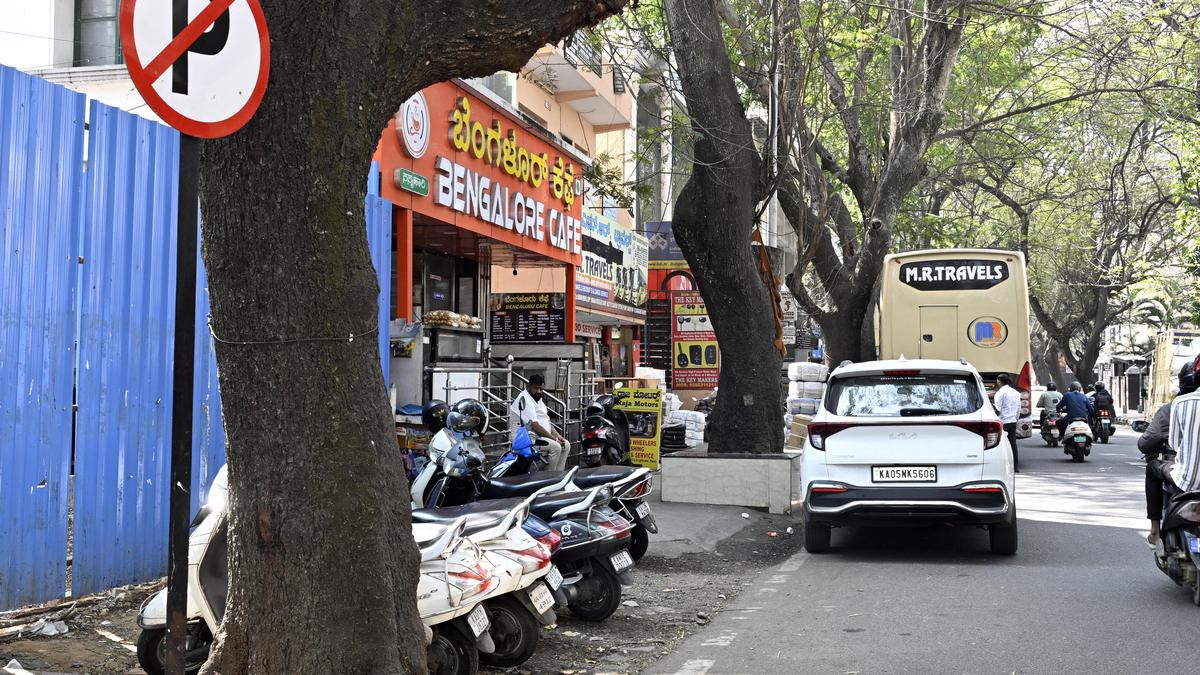
Bengaluru is proposing the Greater Bengaluru Authority (Parking) Rules, 2026, to significantly increase parking fees and introduce residential permits. The policy aims to reduce road congestion by incentivizing off-street parking over on-street alternatives.
Bengaluru’s Strategic Shift in Urban Mobility
The city of Bengaluru is on the cusp of a significant transformation regarding its urban mobility and public infrastructure management. The introduction of the draft Greater Bengaluru Authority (Parking) Rules, 2026, marks a decisive effort by the Urban Development Department (UDD) to overhaul the city's approach to vehicular congestion. By restructuring how citizens interact with public road space, the government aims to reclaim thoroughfares for traffic flow rather than static storage for private vehicles.
The Economics of On-Street vs. Off-Street Parking
A core component of this policy is the deliberate price disparity between on-street and off-street parking. By setting the minimum hourly fee for on-street parking at ₹20–₹40 for two-wheelers and ₹40–₹80 for light motor vehicles (LMVs), the government is effectively implementing a congestion pricing model. Conversely, off-street parking—defined as locations such as vacant plots—is priced lower at ₹10–₹20 for two-wheelers and ₹20–₹40 for LMVs. This economic incentive is designed to push commuters away from using public roads for parking, thereby mitigating traffic bottlenecks.
Addressing the Revenue and Implementation Gap
The move follows a five-year period of stagnation since the Directorate of Urban Land Transport (DULT) first introduced its parking policy. While civic bodies previously envisioned paid parking as a significant revenue stream, implementation remained fragmented and largely unsuccessful outside of the central corporation due to a perceived lack of demand. The 2026 draft appears to be a more aggressive, centralized effort to standardize these charges across various jurisdictions, reflecting a broader intent to integrate parking management into the city's fiscal framework.
Impact on Residential Commuters
Beyond public commercial parking, the draft rules target residential zones with substantial new costs. The proposal to charge between ₹15,000 and ₹25,000 per year for residential parking permits represents a major shift in the cost of vehicle ownership for Bengaluru residents. This fee structure suggests a policy intent to discourage excessive vehicle ownership and to manage the limited availability of space in increasingly crowded residential neighborhoods.
Future Implications and Trends
Looking ahead, if these rules are adopted, Bengaluru will likely see a surge in the development of private parking lots on vacant land as landowners seek to capitalize on the demand for lower-cost off-street options. This shift is indicative of a city transitioning toward more mature urban planning models where the true cost of space is internalized by the user. While the immediate reaction may be centered on the financial burden, the long-term goal remains to create a more navigable city where road space is utilized for transit rather than storage.
Conclusion
The Greater Bengaluru Authority (Parking) Rules, 2026, represent a bold, albeit contentious, step toward modernizing Bengaluru’s infrastructure. By leveraging pricing as a tool for behavioral change, the UDD hopes to solve the systemic issues of parking demand and traffic congestion. The success of this initiative will ultimately depend on the city's ability to enforce these rules consistently and provide adequate off-street alternatives for the commuting public.
Verification Required?