Bengaluru cops detained her for deportation. Then helped deliver her baby
Source Entity
Atiya Firdos
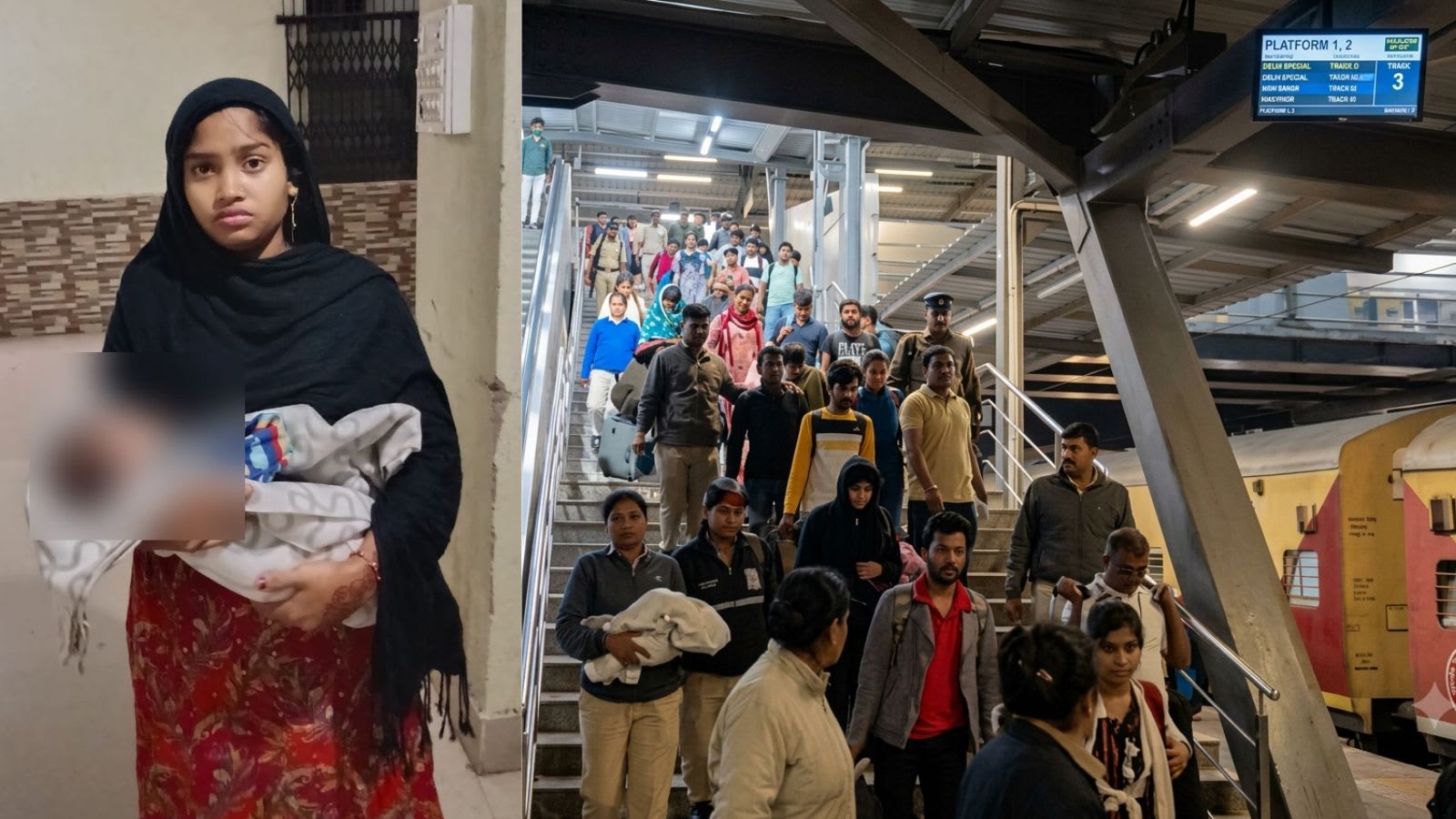
Bengaluru police provided humanitarian aid to a pregnant Bangladeshi woman detained under 'Operation Mukta'. Officers ensured her medical care and supported her through the delivery of her child while she awaited deportation.
A Humanitarian Intervention Amidst Legal Enforcement
In a notable intersection of strict law enforcement and compassionate policing, the Bengaluru police recently navigated a complex situation involving the detention of a 22-year-old Bangladeshi national, Asma Khatoon. Taken into custody on July 17 under the state's ‘Operation Mukta’—an initiative aimed at identifying and processing illegal immigrants—Khatoon’s situation deviated from standard procedure when it was discovered that she was eight months pregnant. This incident highlights the challenges law enforcement agencies face when administrative mandates for deportation collide with immediate humanitarian requirements.
The Logistics of ‘Operation Mukta’
‘Operation Mukta’ represents a structured effort by Bengaluru authorities to address residency irregularities within the city. Khatoon, who is married to Rabibul Badsha, was apprehended within the jurisdiction of the Parappana Agrahara police station. Following her arrest, the legal sequence required that she be produced before the Foreigners Regional Registration Office (FRRO). The facility provided for her detention was a specialized ward, reflecting an attempt by the state to separate administrative detainees from the general prison population, though her medical needs necessitated additional care.
Prioritizing Maternal Health
Recognizing the vulnerability of a pregnant detainee, the police team assigned to her case adopted a proactive approach to her health. Beyond the routine monitoring mandated by custody protocols, officers accompanied Khatoon to medical consultations, ensuring that her pregnancy progressed safely despite her legal status. This level of oversight suggests that while the legal process of deportation remains the primary directive, the agency recognized a duty of care that superseded the administrative nature of her detention.
The Role of Compassion in Policing
Perhaps most striking was the police's involvement during and after the birth of Khatoon’s daughter. By facilitating a smooth delivery and subsequently providing care for the newborn infant, the officers involved demonstrated a shift toward human-centric policing. This care extended beyond the basic requirements of the law, suggesting that individual officers often bridge the gap between rigid judicial enforcement and the ethical imperatives of public service.
Broader Implications and Future Trends
This case serves as a microcosm for the broader debate on how nations handle irregular migration. While security and immigration laws are essential for state sovereignty, the inclusion of humanitarian support in this instance suggests a potential model for how custodial authorities can manage vulnerable populations. Future trends in law enforcement may increasingly lean toward integrating specialized health and social support systems within detention facilities to avoid the ethical pitfalls of treating all detainees under a one-size-fits-all legal framework.
Conclusion
The case of Asma Khatoon underscores the complexities of immigration enforcement in modern India. While the legal machinery of ‘Operation Mukta’ proceeded as intended, the humanitarian response by the Bengaluru police prevented a potentially tragic outcome. It serves as a reminder that even in the context of strict legal enforcement, the preservation of human life and maternal health remains a fundamental priority for those in positions of authority.