Warren Buffett's Berkshire Could Buy Almost Any S&P 500 Company With Its $397 Billion Cash Pile, but Keeps Waiting for a Better Price
Source Entity
Yahoo Finance
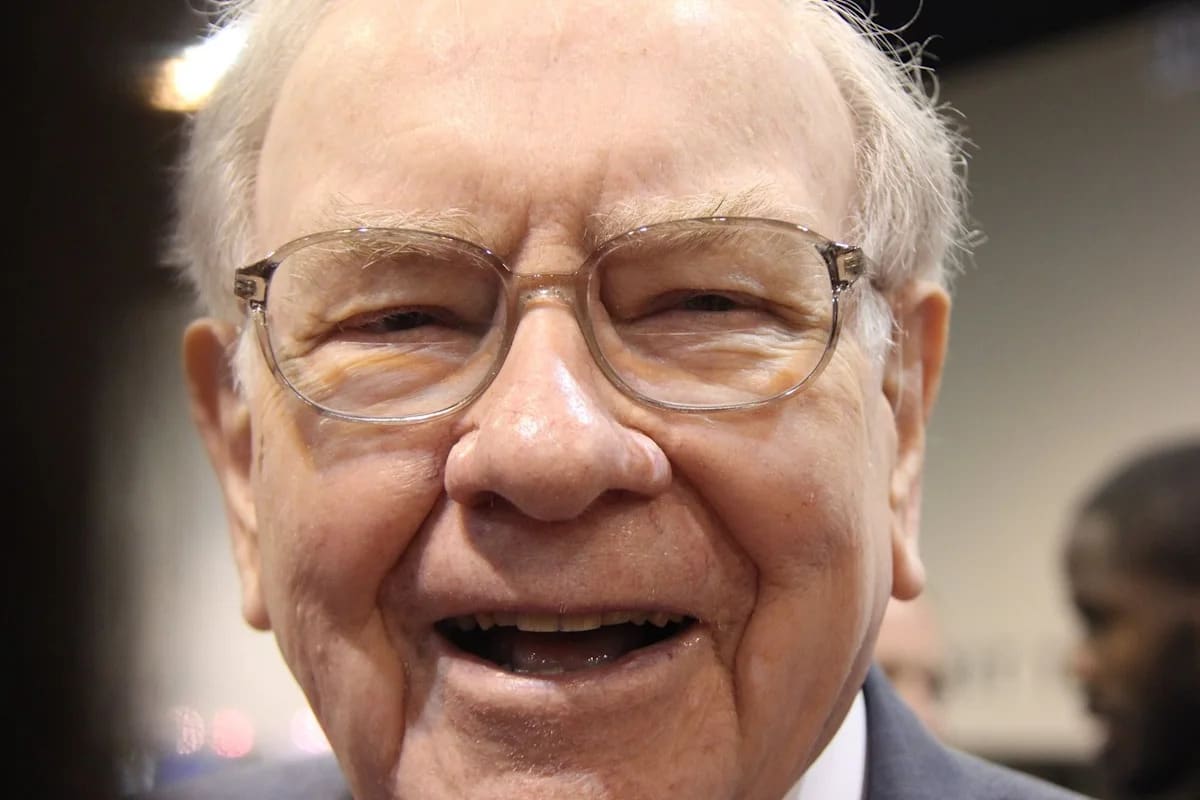
Berkshire Hathaway, under new CEO Greg Abel, is currently holding a record $397 billion in cash. Despite the massive liquidity, the company remains disciplined, waiting for optimal market valuations rather than making impulsive acquisitions.
The Strategy of Patience: Berkshire Hathaway's Record Liquidity
Warren Buffett, having led Berkshire Hathaway for six decades, has established a corporate culture defined by extreme fiscal discipline and long-term value investing. As the company transitions into the leadership of new CEO Greg Abel, it finds itself sitting on a staggering $397 billion in cash. This immense capital position provides the conglomerate with the unique ability to acquire almost any company within the S&P 500, yet the firm remains notably restrained, reflecting the foundational investment philosophies instilled by Buffett.
The Psychology of Capital Allocation
The phrase "burning a hole in my pocket" describes a common human impulse to spend excess liquidity, a habit that often leads to poor financial decision-making. Buffett’s tenure has been the antithesis of this behavior. Instead of deploying capital on a whim, Berkshire Hathaway prioritizes waiting for what it deems a "fair price." This disciplined approach is not merely conservative; it is a calculated strategy that views cash as a strategic asset that gains value during periods of market correction or economic volatility.
Transitioning Under Greg Abel
With Greg Abel now at the helm as CEO, the financial world is closely watching to see if this massive cash pile will be deployed differently. However, the current strategy suggests a continuity of the core Berkshire methodology: prioritizing the preservation of capital while remaining ready to strike when high-quality assets are undervalued. The $397 billion figure represents more than just a balance sheet entry; it is a testament to the company's ability to remain liquid while others chase market trends.
Market Signals and Valuation Concerns
Investment analysts often look for specific indicators—such as the "Total Conviction" or "Double Down" signals reminiscent of the 2009 Nvidia rally—to identify entry points for growth. Berkshire’s hesitation to deploy its cash suggests that, in the current economic landscape, the conglomerate does not see enough companies offering the margin of safety required by its internal investment mandate. By waiting, Berkshire avoids the pitfalls of overpaying in an overheated market.
Broader Implications for the S&P 500
The sheer scale of Berkshire's cash reserves creates a unique dynamic in the S&P 500. Because Berkshire has the capability to initiate massive acquisitions, its presence on the sidelines acts as a silent monitor of market valuations. If the company were to suddenly deploy its capital, it would likely signal a significant shift in market sentiment, potentially acting as a floor for valuations or a catalyst for major industry consolidation.
Future Outlook and Strategic Trends
Looking forward, the trend for Berkshire Hathaway appears to be one of continued patience. While investors often clamor for share buybacks or aggressive acquisitions, the company’s history suggests that it will only act when the risk-to-reward ratio aligns with its strict criteria. As the broader market continues to evolve, Berkshire’s massive cash position ensures that it remains the most significant "wildcard" in global finance, ready to capitalize on future market dislocations.