To rely less on wet-lease model, BEST approves Rs 28,000-crore ‘Kayapalat’ plan
Source Entity
Ishika Gupta
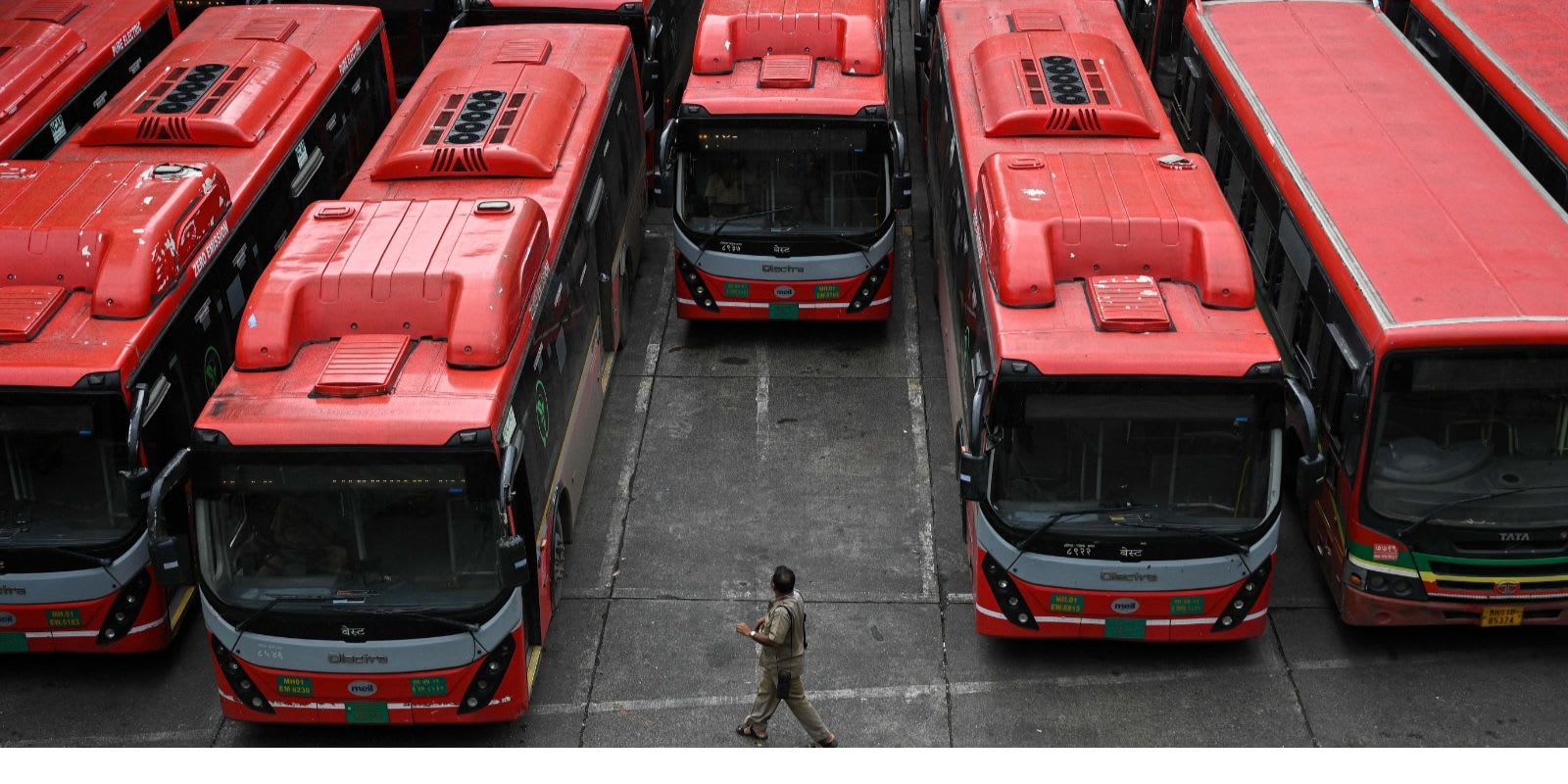
The BEST Committee has approved a Rs 28,000-crore 'Kayapalat' plan to redevelop 22 bus depots via PPP models. The initiative aims to reduce reliance on wet-leased buses by generating revenue to procure a self-owned fleet of 5,000 buses.
The 'Kayapalat' Initiative: A Strategic Shift for BEST
The Brihanmumbai Electric Supply and Transport (BEST) undertaking has taken a decisive step toward financial sustainability with the approval of its Rs 28,000-crore 'Kayapalat' (transformation) plan. By shifting away from the heavy reliance on the current wet-lease model—where private operators provide both buses and drivers—the transport body aims to regain control over its fleet and operational standards. This move is a fundamental restructuring of how a public utility manages its assets in an era of rising costs and logistical complexities.
Leveraging Real Estate for Public Transit
At the heart of the 'Kayapalat' plan is the strategic redevelopment of 22 bus depots across Mumbai. By utilizing a public-private partnership (PPP) model, BEST intends to unlock the commercial potential of its land parcels. The plan includes seeking transit-oriented development (TOD) benefits, particularly for four key depots located along the Metro Line 3 corridor. This integration of transport infrastructure with commercial land use is a modern urban planning tactic designed to maximize revenue from underutilized assets.
Resolving the Wet-Lease Dependency
The current reliance on wet-leased buses has been a point of contention and financial strain for the undertaking. While the wet-lease model provided a quick way to scale up the fleet during periods of crisis, it has also led to long-term fiscal burdens. The 'Kayapalat' plan seeks to use upfront premiums and commercial leasing revenue from the redeveloped depots to finance the procurement of 5,000 self-owned buses. This shift is intended to improve service quality, staff accountability, and long-term cost-efficiency.
Regulatory Approvals and Urban Development
For this ambitious project to succeed, BEST must secure critical approvals from the Urban Development Department. This includes permission for mixed land use and lease extensions, which are essential to make the depots attractive to private developers. The alignment with Metro Line 3 infrastructure highlights a shift toward multi-modal connectivity, ensuring that the bus network remains the primary feeder system for the city's expanding rapid transit corridors.
Addressing Financial Liabilities
Beyond fleet procurement, the funds generated through the redevelopment plan are earmarked to clear pending dues, including those of retired employees. By addressing these liabilities, BEST aims to stabilize its internal operations and improve labor relations. This holistic approach suggests that the management is looking to clear the 'legacy debt' that has plagued the organization for years, allowing for a fresh start in fleet management and service delivery.
Future Outlook and Sustainability
The 'Kayapalat' project represents a significant pivot in the business model of urban public transport in India. By monetizing land to subsidize core transport operations, BEST is attempting to create a self-sustaining ecosystem. If successful, this model could serve as a blueprint for other cash-strapped municipal transport bodies across the country, proving that public transit can evolve from a loss-making entity into a revenue-generating asset through smart, transit-oriented development.