Big Oil’s War-Related Profits Anger Governments
Source Entity
Yahoo Finance
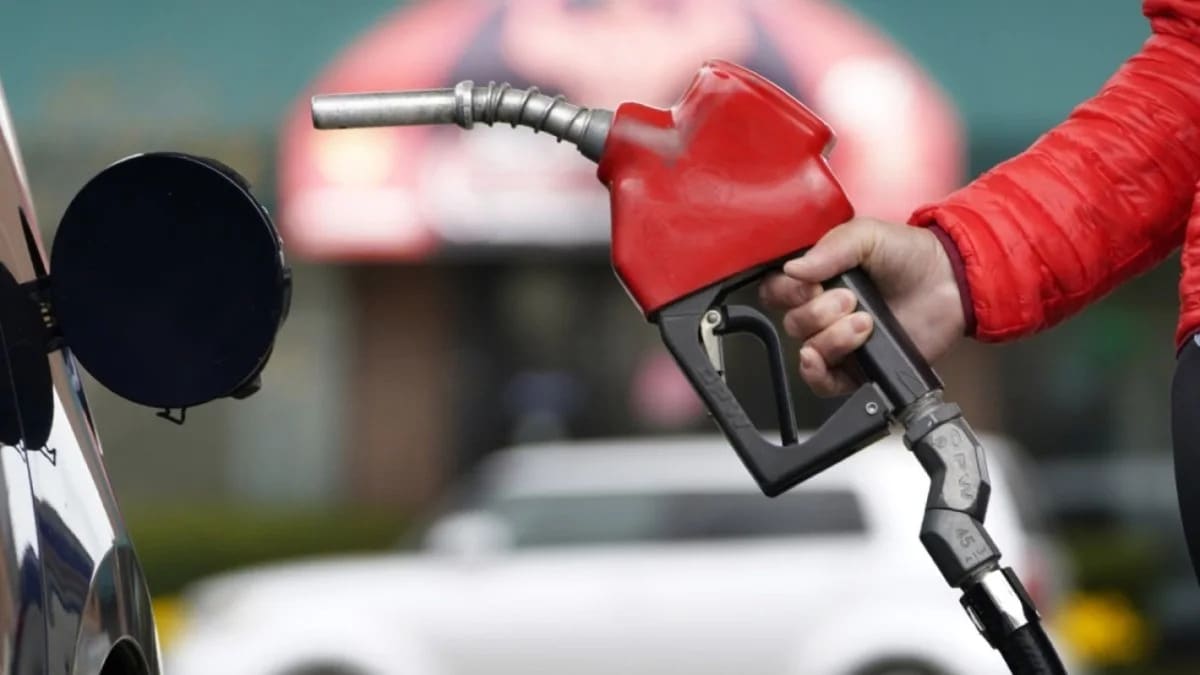
Supermajors are set to report bumper profits for the second quarter thanks to the surge in oil and gas prices, driven higher by the hostilities between the United States, Israel, and Iran. This is a p...
The Intersection of Geopolitics and Corporate Profit
The current surge in profits for the world's oil supermajors represents a volatile intersection where geopolitical instability directly translates into corporate financial gain. As hostilities intensify between the United States, Israel, and Iran, the global energy market has reacted with characteristic volatility. The 'bumper profits' reported for the second quarter are not the result of increased operational efficiency or innovative breakthroughs, but are rather a byproduct of 'risk premiums' added to the price of crude oil and natural gas. When tensions rise in the Middle East—a region critical to global supply—markets price in the possibility of supply disruptions, leading to immediate price spikes that benefit producers and traders.
The Mechanics of War-Driven Price Surges
To understand why these profits are occurring, one must look at the strategic geography of the conflict. The involvement of Iran, a major oil producer with influence over the Strait of Hormuz, creates a systemic fear of supply bottlenecks. When the U.S. and Israel engage in hostilities with Iran, the market anticipates potential sanctions, infrastructure attacks, or maritime blockades. This creates a demand-supply imbalance where the perceived risk of scarcity drives prices upward. For the supermajors, who maintain vast reserves and integrated supply chains, these price hikes result in massive windfall gains, as the cost of extracting the oil remains relatively stable while the selling price skyrockets.
Government Outrage and the 'Windfall' Dilemma
The anger expressed by governments stems from a stark economic disparity: while energy companies report record-breaking earnings, the general populace faces soaring inflation and increased costs of living. This creates a political flashpoint. Governments are under immense pressure to protect consumers from 'energy poverty,' and seeing corporate balance sheets swell during a period of regional war is viewed as opportunistic. This dynamic often leads to discussions regarding 'windfall taxes'—temporary levies designed to recoup excess profits that are seen as unearned or socially unjust. The tension here is between the capitalist right of companies to profit from market conditions and the state's responsibility to maintain social stability.
Historical Context of Energy Volatility
This situation is not without historical precedent. The global economy has long been hostage to the 'oil shock' phenomenon, most notably seen during the 1973 OPEC embargo and the 1979 Iranian Revolution. In those instances, geopolitical strife in the Middle East led to systemic economic downturns in the West. However, the current era differs in that the 'supermajors' are now operating in a world attempting to transition toward green energy. The fact that these companies are still seeing such massive gains from fossil fuel volatility suggests that the world remains deeply dependent on hydrocarbons, despite decades of rhetoric regarding a transition to renewables.
Broader Implications for Energy Security
The current anger from governments may accelerate a strategic pivot toward energy independence. When national security is tied to the profit margins of private entities and the stability of hostile regions, governments are incentivized to diversify their energy portfolios. The backlash against Big Oil's war-related profits serves as a catalyst for diversifying supply chains and investing more heavily in domestic energy production—whether through fracking, nuclear power, or renewables—to insulate the domestic economy from the whims of Middle Eastern geopolitics.
Future Trends and Predictions
Looking forward, we can expect a cycle of increased regulatory scrutiny and potential legislative crackdowns on energy profits during times of crisis. As the US, Israel, and Iran continue their complex geopolitical dance, oil prices will likely remain volatile. This volatility will continue to provide short-term windfalls for the supermajors, but it will simultaneously erode their social license to operate. We may see a trend where these companies are forced to reinvest a larger portion of their 'war profits' into sustainable energy projects as a form of political appeasement to avoid more permanent and aggressive taxation frameworks.