Now, Gen Alpha: Bihar school students march 4 km over lack of facilities, staff face salary cut
Source Entity
Himanshu Harsh
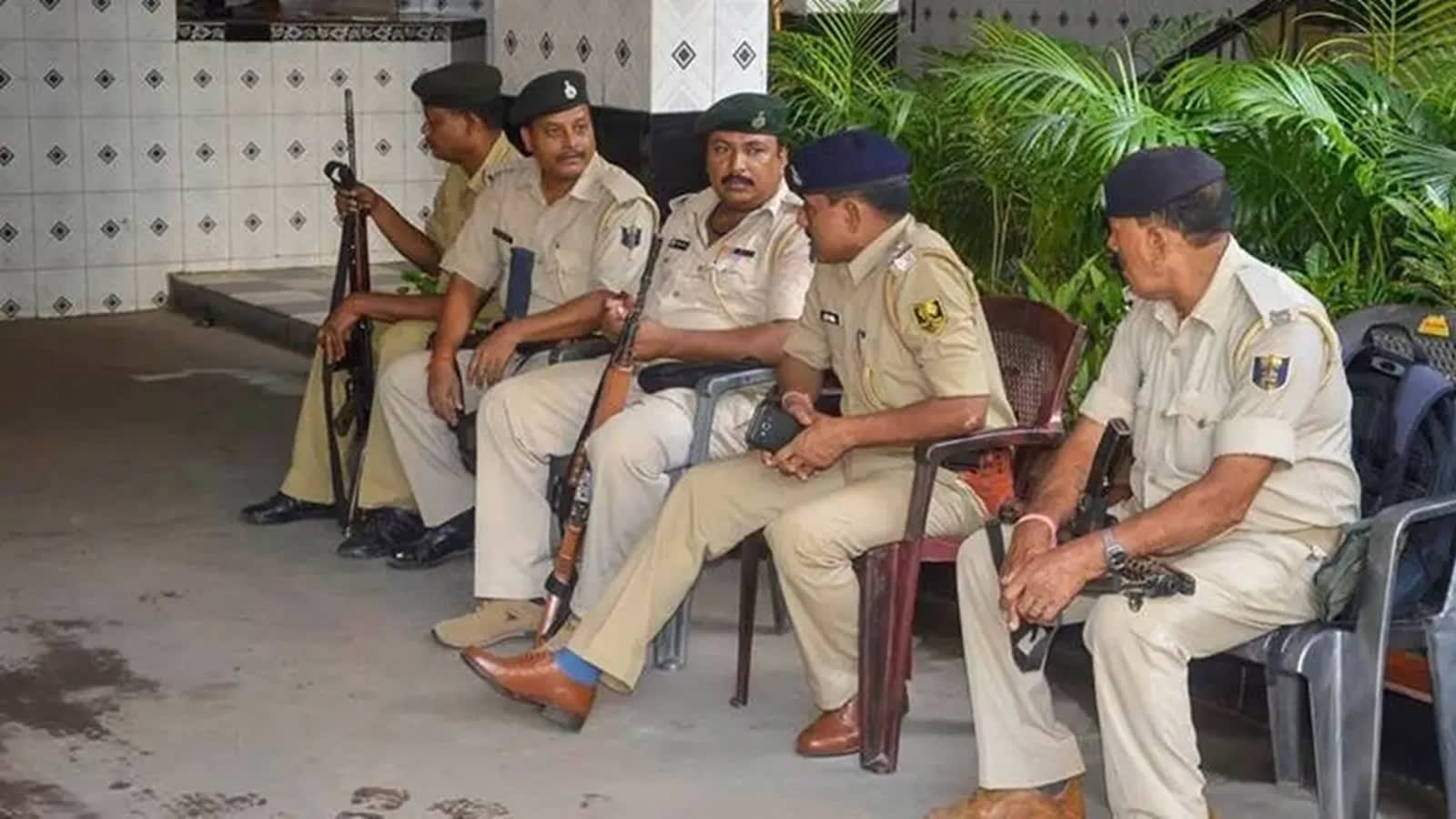
Students of Simuara Middle School in Bihar marched 4km to protest poor educational facilities and mid-day meal quality. The demonstration has prompted immediate departmental inquiries and salary cuts for school staff.
Student Activism in Bihar: A Case Study of Grassroots Demands
The recent protest by students of Simuara Middle School in the Gaya district of Bihar marks a significant moment in the evolution of student-led advocacy in India. By marching 4 km to the Tikari Sub-Divisional Office, these children, primarily from classes 6 to 8, demonstrated a level of civic awareness that defies their age. Their actions, which included occupying the space outside the Sub-Divisional Magistrate's (SDM) office, highlight a profound dissatisfaction with the foundational infrastructure of their local educational environment.
The Catalyst: Infrastructure and Nutrition
At the heart of this demonstration are grievances concerning the quality of the mid-day meal and general school facilities. The mid-day meal scheme is a cornerstone of India's social welfare policy, designed to improve enrollment and nutrition. When such programs falter, it directly undermines the right to education. The students' refusal to disperse until their voices were heard indicates that the systemic failures they face—ranging from inadequate resources to poor nutritional support—have reached a tipping point that even primary school children feel compelled to address.
Administrative Retaliation vs. Accountability
The administrative reaction to this protest has been swift, characterized by departmental inquiries and the issuance of show-cause notices to school staff. Most notably, the suspension of salaries for the day of the demonstration for the involved staff suggests a punitive approach rather than a constructive one. This response raises critical questions about how educational institutions handle dissent and whether the focus is shifting toward administrative compliance rather than addressing the core issues raised by the students.
The Broader Context of Student Dissent
This event does not occur in a vacuum. It follows a nationwide wave of student-led protests regarding the NEET paper leak and wider educational systemic failures. This trend suggests that Indian students, across various age groups and educational tiers, are increasingly utilizing public demonstration as a tool to demand accountability. The visibility of the Simuara students, bolstered by viral social media footage, underscores how digital platforms are empowering even the most marginalized school communities to project their local struggles onto a larger stage.
Future Implications for Policy
Moving forward, the situation in Gaya serves as a litmus test for district-level administration in Bihar. The pressure is now on the education department to provide a satisfactory explanation for the state of the school facilities. If authorities fail to rectify the underlying conditions, it is likely that similar protests will continue to erupt, potentially leading to a broader movement for educational reform. The long-term challenge will be to bridge the gap between policy implementation and ground-level reality to ensure that students can focus on their studies rather than lobbying for basic necessities.
Conclusion
The march in Gaya is a poignant reminder of the power of student agency. While the immediate focus remains on the departmental inquiries and the disciplinary actions against staff, the ultimate success of this movement will be measured by whether the students see tangible improvements in their classrooms and their meals. As the national conversation on education continues to evolve, the resilience of these young students serves as a critical indicator of the growing demand for institutional transparency and quality in the public school system.