"Hire the Robot, Fire the Human": Gates' Warning, Then Microsoft Buyouts
Source Entity
NDTV News Search Records Found 1000
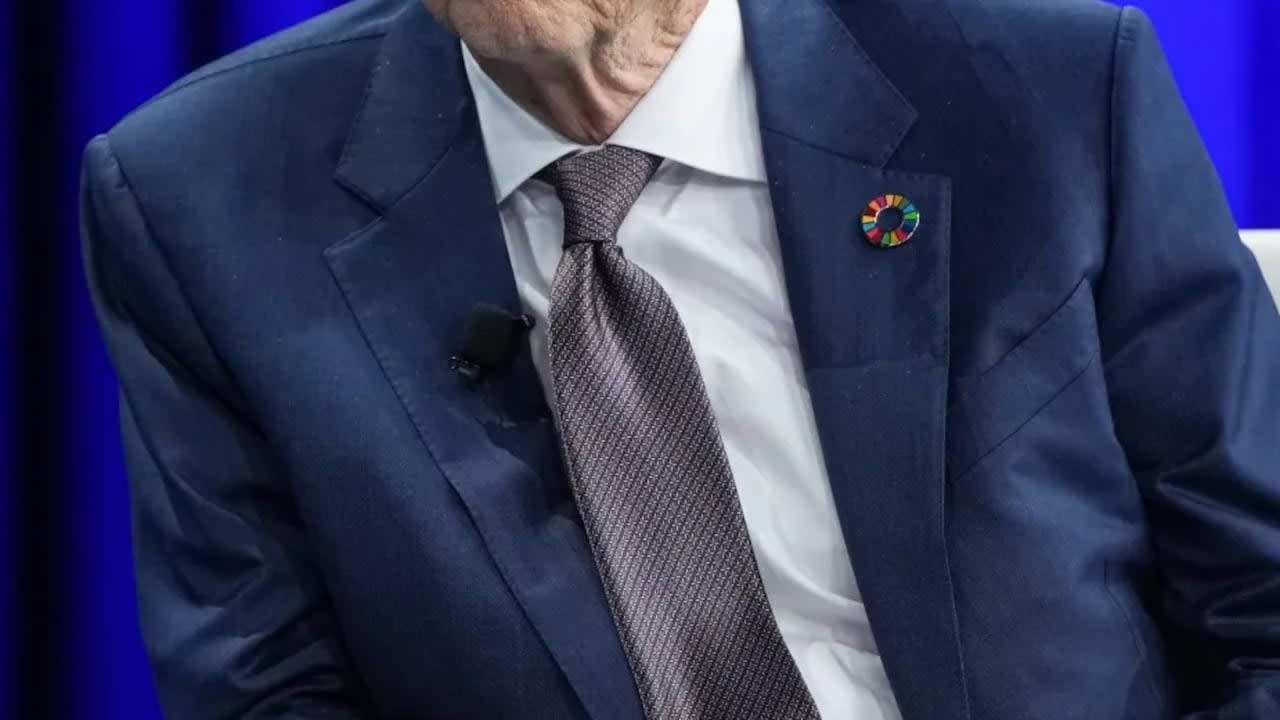
Bill Gates has publicly criticized current economic incentive structures regarding automation, highlighting the tension between corporate efficiency and human employment. This debate gains significance as Microsoft, a company Gates co-founded, continues to integrate advanced AI and robotics into its business model.
The Automation Paradox: Gates and the Future of Work
Bill Gates recently sparked a significant discourse regarding the intersection of artificial intelligence, robotics, and the global labor market. By asserting that the current "incentive structure is wrong," Gates has pointed toward a fundamental misalignment in how modern corporations prioritize technological adoption over human capital. This critique serves as a warning about the potential for massive displacement as industries pivot toward automation to cut costs and increase productivity.
Analyzing the Incentive Structure
The core of the issue lies in corporate tax codes and economic incentives that often favor capital investment—such as purchasing robots or AI software—over hiring human employees. When a company can write off the cost of an automated system as a capital expense while simultaneously facing payroll taxes and social benefit costs for human workers, the economic choice becomes skewed. Gates argues that this imbalance effectively subsidizes the replacement of humans, creating a systemic bias that accelerates job displacement in sectors ranging from manufacturing to administrative services.
The Microsoft Connection and Corporate Strategy
It is impossible to ignore the context of Microsoft, the tech giant co-founded by Gates, which has aggressively invested in AI integration through its partnership with OpenAI. While Gates is no longer in an operational role, his warnings carry weight as his former company leads the charge in deploying AI-driven tools that can perform tasks previously requiring human intelligence. The tension between the company's drive for innovation and the societal impact of these tools is a microcosm of the broader technological shift occurring in the global economy.
Historical Context and Labor Displacement
Historically, technological revolutions—from the Industrial Revolution to the rise of the computer age—have always caused temporary labor market disruptions. However, the current wave of automation is unique in its velocity and its capacity to perform cognitive, non-routine tasks. Unlike the assembly line robots of the 20th century, modern AI can analyze data, generate content, and manage complex workflows. This creates a risk where the transition period for workers to re-skill may be shorter than the pace of technological deployment, leading to structural unemployment.
Future Trends and Policy Implications
Looking forward, the debate will likely shift toward potential policy interventions, such as a "robot tax" or tax credits for companies that retain and retrain human workers. For the workforce, the trend points toward a necessity for human-in-the-loop systems, where technology acts as a tool for augmentation rather than a wholesale replacement. The challenge for policymakers will be to recalibrate the incentive structure so that productivity gains from automation are shared more equitably with the human labor force that sustains the economy.
Conclusion
Bill Gates' warning is a call to action for stakeholders across the private and public sectors. By highlighting the flaws in our current economic incentives, he has forced a conversation about the kind of future we are building. If technology is intended to improve the quality of human life, the current path of incentivizing human displacement must be addressed through strategic regulation and a renewed focus on the value of human expertise.
Verification Required?