ISRO plans four functional launch pads by 2029; chief Narayanan outlines Gaganyaan roadmap
Source Entity
Latest News: Todays Latest News Headlines from India & World | Hindustan Times | Hindustan Times
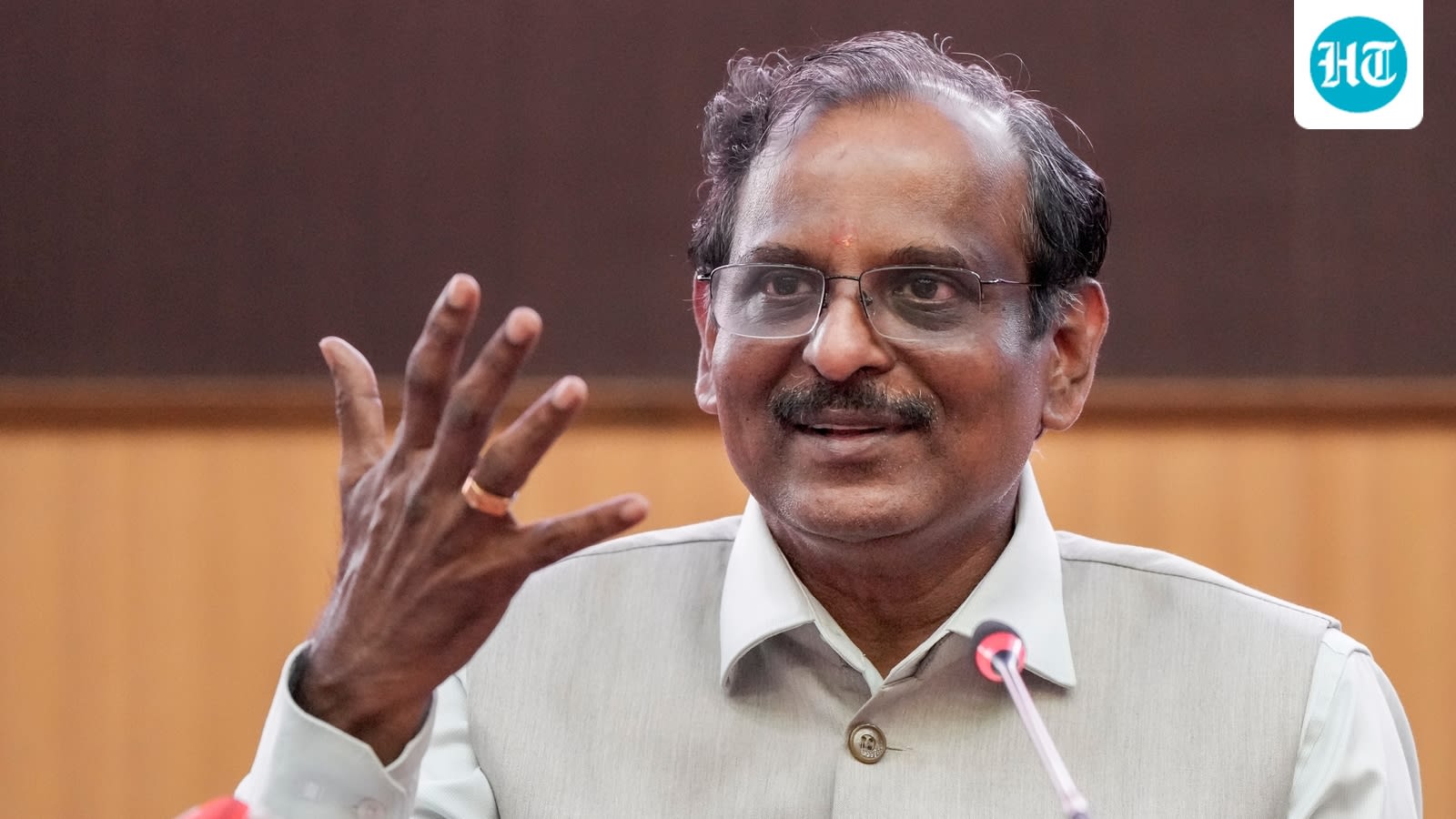
ISRO is set to expand its infrastructure with four functional launch pads by 2029 to meet global satellite demand. The agency is also developing a dedicated SSLV complex in Tamil Nadu while integrating private sector partnerships into its roadmap.
Scaling India’s Space Ambitions: The Roadmap to 2029
ISRO Chairman V Narayanan has unveiled an ambitious strategic roadmap that positions India as a dominant force in the global space economy. By committing to the construction of four functional launch pads by 2029, the national space agency is effectively addressing the critical bottleneck of launch frequency. This infrastructure expansion is not merely a quantitative increase in facilities but a structural shift designed to accommodate the exponential growth in demand for satellite deployment services.
The Strategic Role of the SSLV Complex
Central to this expansion is the establishment of a 2,000-acre dedicated Small Satellite Launch Vehicle (SSLV) complex in Kulasekarapattinam, Tamil Nadu. This site is strategically significant as it facilitates optimized launch trajectories for small satellites, which are becoming the backbone of global telecommunications, earth observation, and climate monitoring networks. By decentralizing launch operations, ISRO is creating a more resilient and agile framework capable of handling the high-cadence requirements of the modern commercial space sector.
Integrating the Private Sector
While ISRO remains a government-led national agency, Chairman Narayanan has been explicit about the necessity of public-private partnerships. Addressing concerns regarding privatization, he clarified that the agency will retain its core status while outsourcing specific production and operational tasks to private firms. This model mimics the successful commercialization trends seen in global markets, where private industry participation acts as a force multiplier for national space agencies, enabling them to scale rapidly without sacrificing institutional oversight.
Meeting Global and Domestic Demand
The urgency behind this roadmap is driven by the global surge in demand for satellite constellations. As thousands of small satellites are slated for launch over the next decade, India’s ability to provide a cost-effective and reliable launch platform is a major competitive advantage. By streamlining its infrastructure, ISRO is positioning itself to capture a larger share of the international launch market while simultaneously fulfilling India's internal sovereign requirements for space-based infrastructure.
Looking Toward Gaganyaan and Beyond
Beyond satellite launches, the infrastructure development is intrinsically linked to the success of the Gaganyaan mission. The upcoming tests and subsequent human spaceflight efforts require a robust ground support network. The expansion of launch pads ensures that the agency can balance commercial satellite obligations with high-priority scientific and exploratory missions, ensuring that India remains at the forefront of human spaceflight capabilities.
Conclusion: A New Era for ISRO
In summary, the transition toward a four-pad capacity by 2029 marks a pivotal chapter for India’s space program. Through the synthesis of state-led strategic planning and private sector efficiency, ISRO is transforming its operational capacity to meet the demands of the 21st-century space economy. As the Kulasekarapattinam facility comes online, India will likely cement its status as a premier global hub for satellite deployment and space exploration.
Verification Required?