Not Just Oil, US-Iran War Is Hitting Bitcoin Too. What Investors Must Know
Source Entity
NDTV News Search Records Found 1000
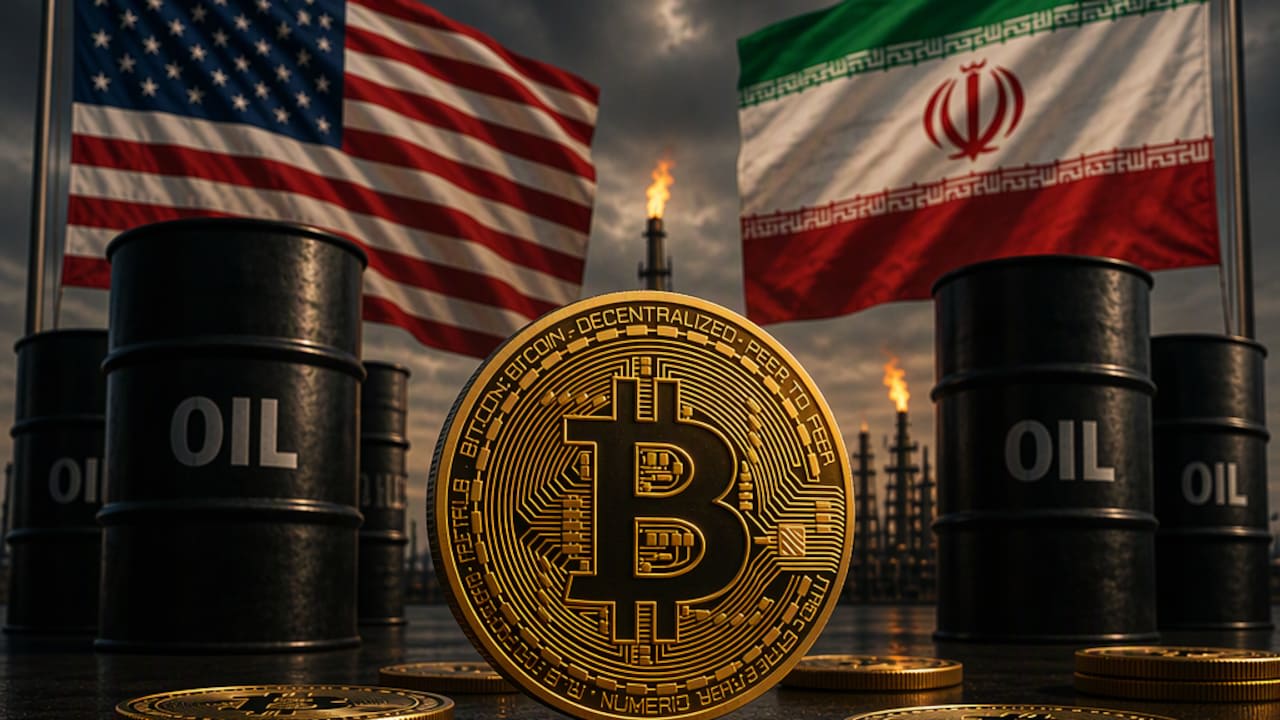
Geopolitical tensions between the US and Iran are exerting downward pressure on Bitcoin prices. Investors are increasingly viewing Bitcoin as a volatile asset sensitive to global conflict.
The Geopolitical Sensitivity of Bitcoin
In recent market cycles, Bitcoin has increasingly demonstrated a correlation with global geopolitical instability. While early proponents marketed the cryptocurrency as a 'digital gold'—a potential safe-haven asset capable of hedging against traditional market turmoil—current evidence suggests a more nuanced reality. During periods of heightened tension, such as the ongoing friction between the United States and Iran, Bitcoin has shown vulnerability to sudden sell-offs rather than acting as a defensive buffer.
Understanding the Risk-On Asset Class
The primary reason for Bitcoin's price sensitivity during conflicts lies in its classification as a 'risk-on' asset. Investors tend to treat Bitcoin similarly to high-growth tech stocks, which are the first to be liquidated when global uncertainty rises. As the prospect of a US-Iran conflict looms, the immediate reaction of institutional and retail investors alike is to move capital into traditional safe-havens, such as the US dollar or government bonds, thereby draining liquidity from the crypto market.
The Impact of Macroeconomic Uncertainty
Geopolitical stress acts as a catalyst for fear, uncertainty, and doubt (FUD) across all financial sectors. When military or diplomatic crises emerge, market participants often pivot toward cash to mitigate potential losses. Because Bitcoin is a 24/7 global market with high liquidity, it often serves as an easy exit point for traders looking to de-risk their portfolios rapidly, exacerbating price swings during times of war or regional instability.
Historical Context and Investor Behavior
Historically, Bitcoin has struggled to maintain its value in the face of sudden geopolitical shocks. While it has occasionally rallied during periods of localized currency devaluation, international conflicts involving major powers like the US tend to trigger a broader flight to safety. Investors must recognize that until Bitcoin achieves wider adoption as a neutral reserve asset, its price action will remain tethered to the broader risk appetite of the global financial system.
Future Trends and Market Maturation
Looking ahead, the volatility of Bitcoin during geopolitical stress serves as a reminder that the asset class is still in a phase of maturation. Future price stability will likely depend on whether Bitcoin can decouple from traditional equity markets. For now, market participants should anticipate that any escalation in the US-Iran situation will continue to place downward pressure on Bitcoin, as investors prioritize the liquidity and stability of fiat-based instruments during times of acute crisis.
Verification Required?