Congress betrayed allies, sidelined veterans, brought down governments: BJP
Source Entity
India Latest News: Top National Headlines Today & Breaking News | The Hindu
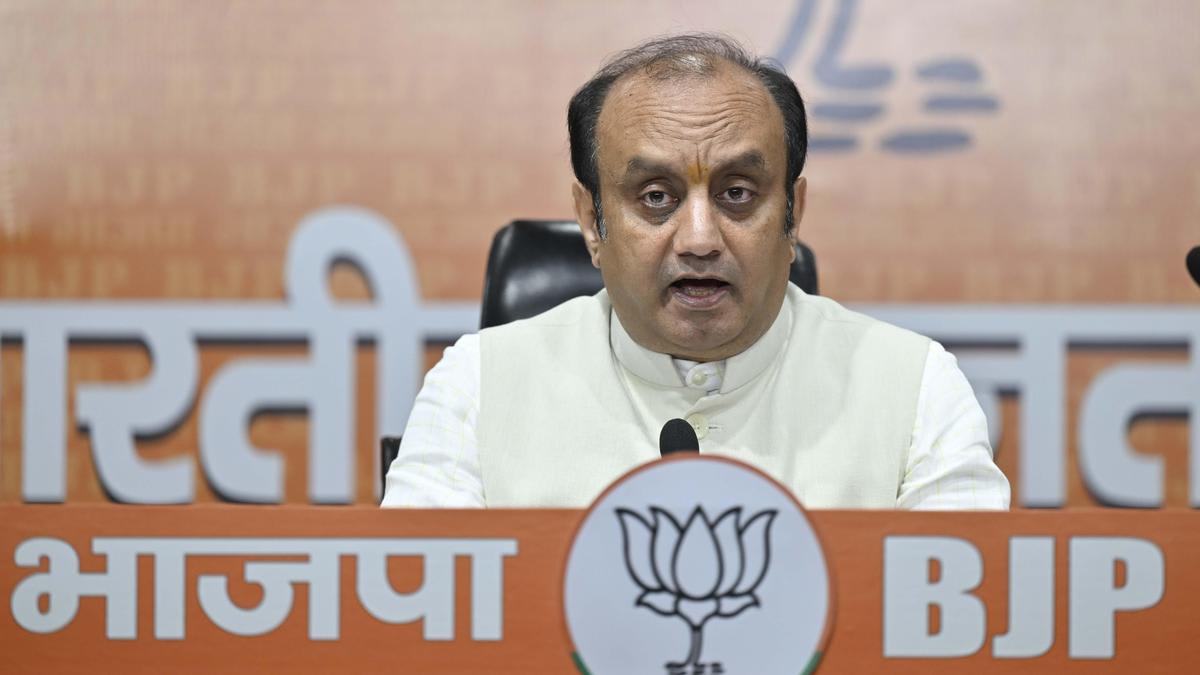
The BJP has rejected Rahul Gandhi's accusations of orchestrating the freezing of the Trinamool Congress symbol. The party countered by highlighting the Congress's historical record of political instability and internal conflict.
The Escalating War of Words Over Election Commission Rulings
The Indian political landscape has been ignited by a sharp confrontation between the Bharatiya Janata Party (BJP) and Leader of the Opposition, Rahul Gandhi, following the Election Commission's (EC) decision regarding the Trinamool Congress. The EC’s move to bar both factions of the Trinamool Congress from utilizing their established name and symbol—mandating the use of fresh identifiers for upcoming Assembly bypolls—has become the latest flashpoint in a series of accusations regarding institutional neutrality.
Rahul Gandhi’s Allegations of Institutional Capture
Rahul Gandhi’s public critique, disseminated via the platform X, characterized these electoral developments as a systematic pattern of "government theft" and "party theft." By drawing parallels to the internal fractures previously seen within the Shiv Sena and the Nationalist Congress Party (NCP), Gandhi argued that the BJP, in tandem with the Election Commission, is actively engineering the fragmentation of opposition parties. His narrative frames these bureaucratic hurdles not as administrative procedures, but as a deliberate strategy to disenfranchise political rivals.
The BJP’s Counter-Narrative: A Historical Rebuttal
In a swift rebuttal on September 18, 2026, the BJP dismissed these claims as hypocritical. The party leadership pivoted the discourse toward the historical conduct of the Indian National Congress, alleging that the party’s own past is replete with instances of destabilizing democratically elected governments and betraying regional allies. By framing the current situation through a lens of historical precedent, the BJP aims to characterize Gandhi's complaints as opportunistic rather than principled.
The Role of the Election Commission in Internal Splits
At the heart of this controversy lies the Election Commission’s mandate to adjudicate disputes within political parties. When factions emerge, the EC must determine which group holds the legitimate claim to the organizational structure and symbols. However, as these decisions increasingly impact electoral outcomes in bypolls, the optics of these rulings have come under intense public and political scrutiny, fueling debates about the independence of constitutional bodies in the current political climate.
Broader Implications for Indian Democracy
The repetitive nature of these disputes—moving from the Shiv Sena and NCP to the Trinamool Congress—suggests an evolving trend in Indian politics where legal and administrative battles over party identity are becoming as consequential as the campaigns themselves. This shift forces voters to navigate not just ideological differences, but the technical complexities of party legitimacy, which may have long-term impacts on voter turnout and political alignment.
Conclusion: A Standoff of Narratives
The tension between the BJP and the Congress reflects a deeper struggle to define the integrity of India’s democratic institutions. While the BJP insists that the EC’s actions are a neutral application of electoral law, the opposition remains firm in its belief that these processes are being weaponized. As the nation approaches the upcoming Assembly bypolls, this conflict over the legitimacy of party symbols and names will likely remain a central theme of the national political discourse.
Verification Required?