Social Security reform plans could sway voters in battleground Senate races, survey finds
Source Entity
US Top News and Analysis
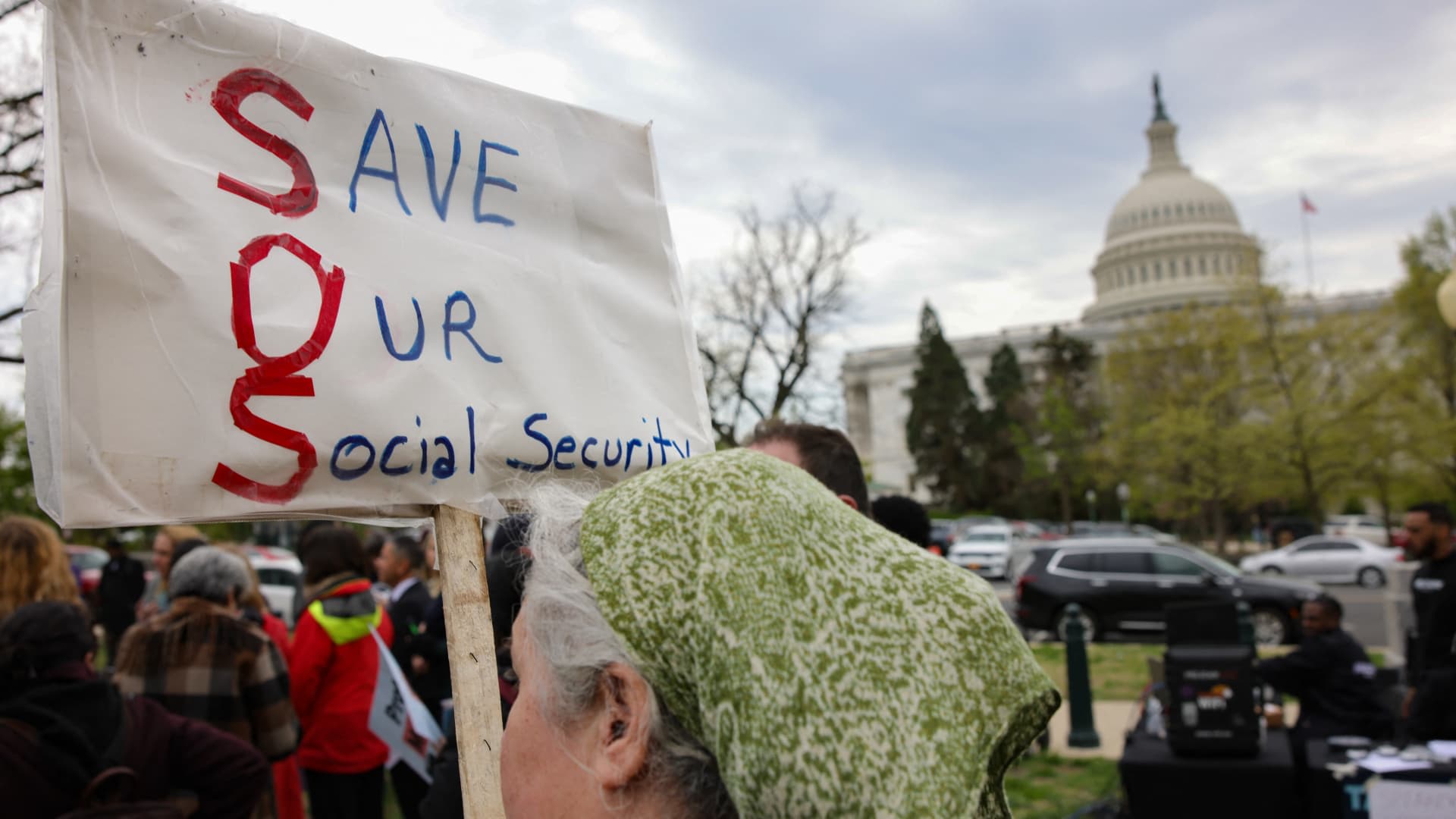
A new survey indicates that voters in competitive Senate races prioritize candidates with clear plans to protect Social Security. With the trust fund projected to deplete by 2032, legislators face mounting pressure to address potential benefit cuts.
The Looming Social Security Crisis and Its Electoral Impact
As the political landscape intensifies ahead of the November elections, the long-term solvency of Social Security has emerged as a central pillar of voter concern. Recent data from the Peter G. Peterson Foundation highlights that 81% of voters in states with highly competitive Senate races are prioritizing candidates who offer concrete strategies to prevent automatic benefit cuts. This sentiment underscores a growing anxiety among the electorate, as the fiscal future of retirement security becomes a decisive factor in determining the balance of power in the U.S. Senate.
The 2032 Deadline: A Legislative Cliff
The urgency surrounding this issue is not merely speculative; it is anchored in a firm projected timeline. Senators elected in the upcoming cycle will be serving during the fourth quarter of 2032, the year currently identified as the depletion date for the Social Security retirement trust fund. This creates a direct link between the current electoral cycle and the fiscal cliff that Congress must navigate. The inability to reach a legislative consensus by this deadline could trigger a 22% reduction in benefits, impacting retired workers, their spouses, children, and survivors of deceased beneficiaries.
Voter Sentiment and Political Accountability
Historical trends suggest that Social Security is often referred to as the "third rail" of American politics, yet the current survey indicates that voters are moving beyond passive concern toward active demand for policy solutions. By favoring candidates who prioritize solvency, voters are signaling that the preservation of the retirement trust fund is a litmus test for legislative competence. This shift forces candidates to move beyond vague promises and present actionable financial plans to avoid the impending 22% benefit reduction that looms on the horizon.
Broader Economic Implications
The potential for a 22% cut to Social Security benefits represents a massive systemic risk to the American economy. Because Social Security acts as a primary income source for millions of retirees, any disruption in payments would have immediate consequences for consumer spending, housing stability, and poverty rates among the elderly. Candidates who fail to address this issue risk alienating a critical demographic—seniors and those nearing retirement—who consistently maintain high voter turnout rates in federal elections.
Future Trends and Legislative Challenges
Looking toward 2032, the challenge for the next cohort of Senators will be balancing the political cost of reform against the economic necessity of solvency. Options for extending the trust fund—such as adjusting the retirement age, increasing payroll taxes, or modifying benefit calculations—all carry significant political risk. However, as the survey findings illustrate, the political risk of inaction now appears to outweigh the risk of proposing structural changes. The pressure from voters in battleground states suggests that the next Senate term will be defined by how effectively these lawmakers address the Social Security funding gap before the 2032 deadline arrives.