$100,000 H-1B visa fee extended by another year: What Trump admin's latest order mean for Indian professionals
Source Entity
Latest News: Todays Latest News Headlines from India & World | Hindustan Times | Hindustan Times
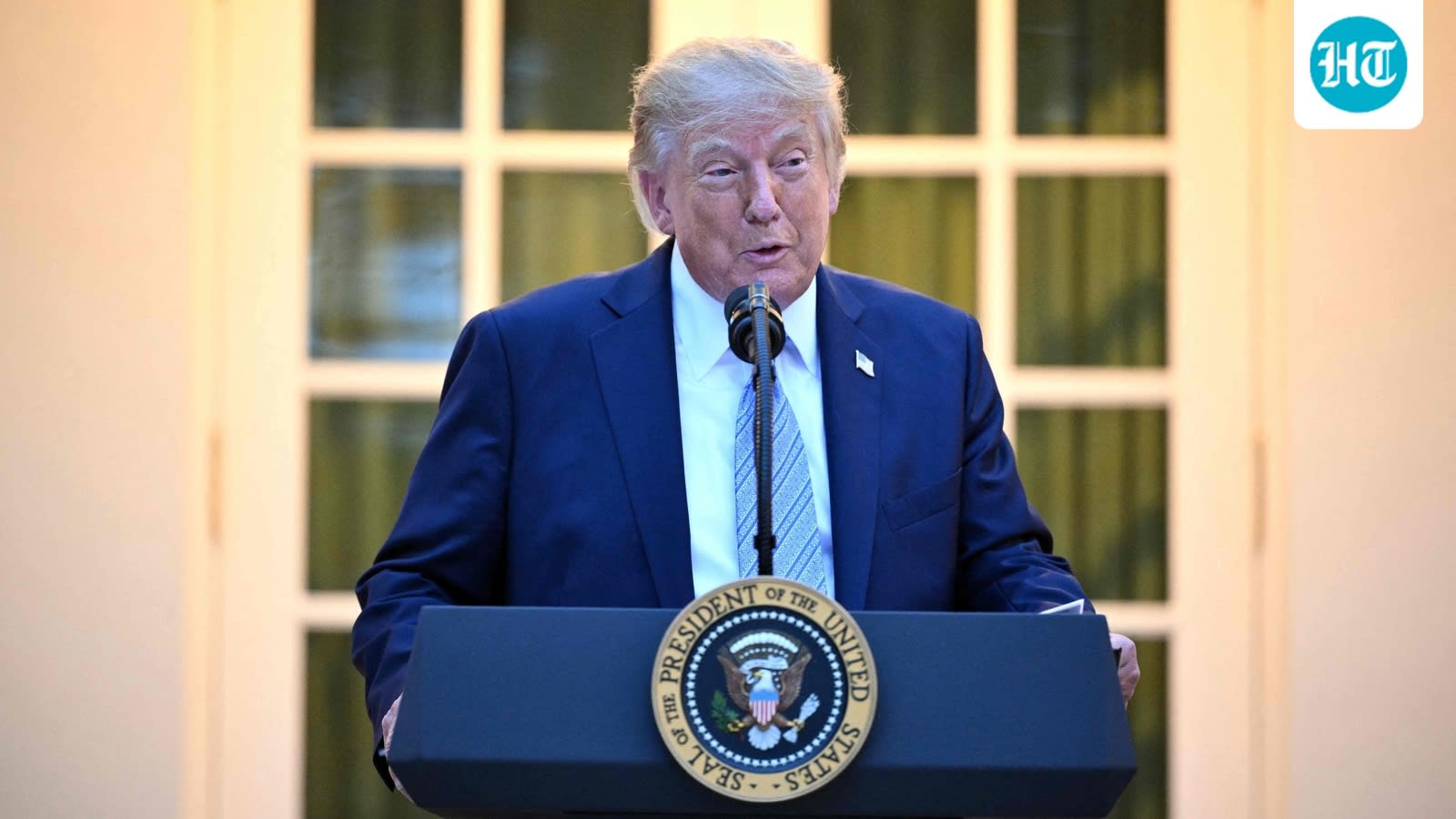
President Trump has extended a $100,000 fee on H-1B visa registrations for another year to curb perceived program abuse. The measure aims to prioritize American workers and has already resulted in a 92% decline in registrations from large IT outsourcing firms.
The Strategic Shift in H-1B Policy
President Donald Trump has officially extended the $100,000 fee on H-1B visa registrations for an additional year, signaling a continued commitment to his administration's restrictive immigration agenda. The fee, which was initially introduced in September 2025, will now remain in effect until September 21, 2027. This move underscores a broader effort by the White House to fundamentally reshape the landscape of high-skilled foreign labor in the United States.
Curbing Outsourcing and Protecting Domestic Labor
The central justification provided by the White House for this significant financial barrier is the protection of economic and national security interests. By imposing a substantial $100,000 fee per registration, the administration aims to curb what it characterizes as widespread abuse of the H-1B program, particularly by large IT outsourcing firms. According to the administration, this policy has already proven effective, resulting in a 92% decrease in registrations from these specific entities since its inception.
Aligning with Original Program Intent
President Trump has consistently argued that the H-1B program, which was designed to allow U.S. employers to hire highly skilled foreign professionals, has drifted from its original purpose. The administration posits that the current fee structure forces employers to be more selective, ensuring that only the most essential and highly-skilled workers are recruited. This, in theory, improves labor market access for American graduates and workers who might otherwise face competition from lower-cost foreign labor.
Legal Challenges and Future Uncertainty
While the administration views this policy as a success, it remains a point of significant contention. The extension of the order occurs amidst ongoing legal challenges in U.S. courts, where stakeholders are questioning the scope and legality of such a high fee. The extension serves to maintain the status quo while the judicial process unfolds, keeping the industry in a state of regulatory uncertainty regarding the long-term viability of the H-1B route.
Long-Term Implications for Tech Talent
Looking forward, the persistence of this fee could lead to a permanent restructuring of how multinational corporations approach talent acquisition. If the administration succeeds in its goal of making this fee permanent, it may accelerate the trend of companies shifting their operations to other jurisdictions or investing more heavily in domestic workforce training. For Indian professionals and the broader global tech sector, this policy represents a significant hurdle that necessitates a strategic pivot away from reliance on high-volume visa registrations toward more specialized, localized recruitment models.
Verification Required?