Rs 2,100 vs Rs 1,000: Why BJP is set to take Haryana Lado Lakshmi pitch to Punjab polls
Source Entity
Sukhbir Siwach
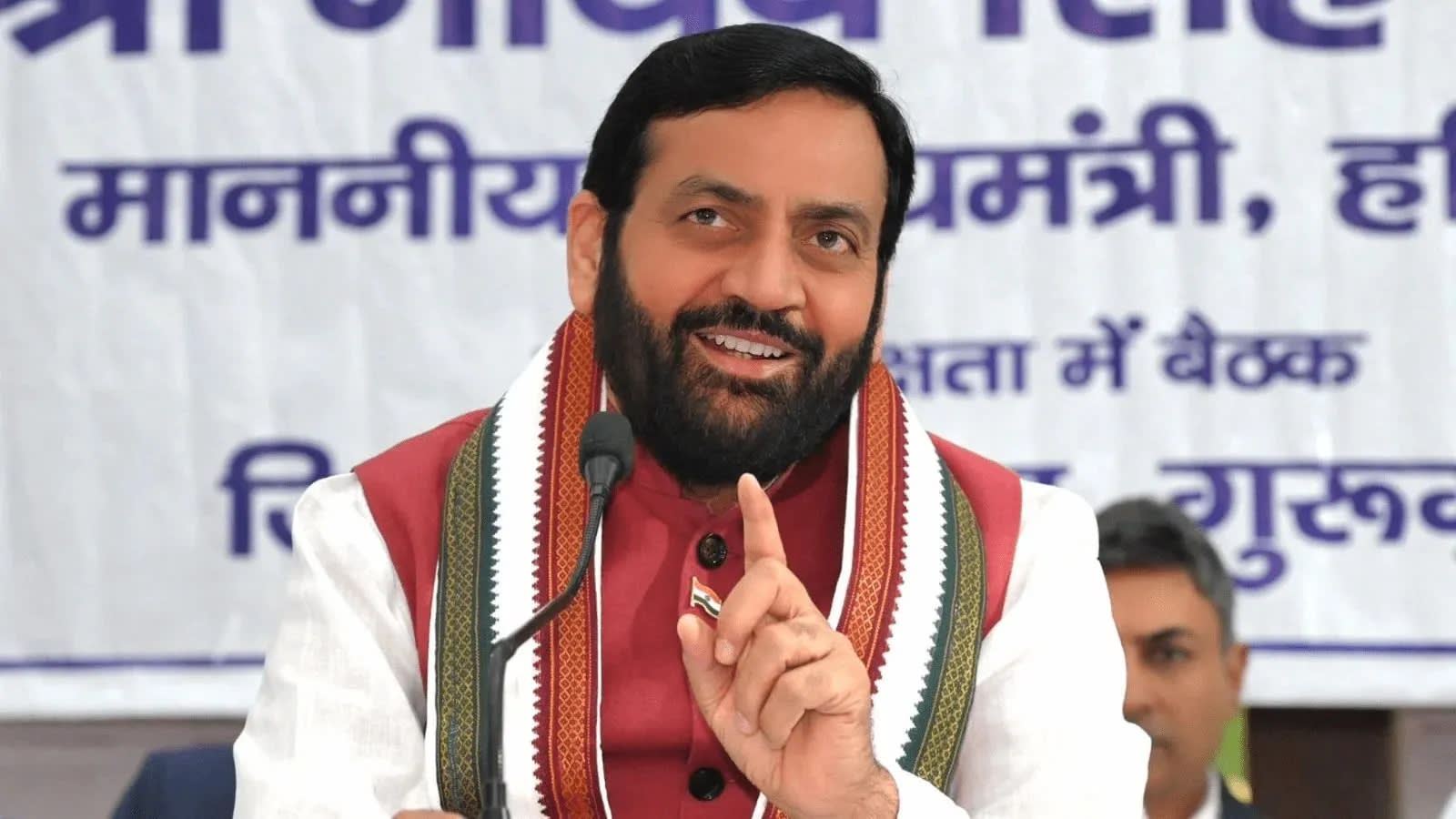
The BJP is leveraging Haryana's expanded 'Deen Dayal Lado Lakshmi Yojana' as a strategic campaign tool for upcoming Punjab elections. By highlighting welfare initiatives like increased income ceilings for beneficiaries, the party aims to contrast its governance model with existing policies in Punjab.
Strategic Welfare Diplomacy: The BJP’s Haryana-Punjab Pivot
The Expansion of the Lado Lakshmi Yojana
The Bharatiya Janata Party (BJP) has strategically expanded the scope of its 'Deen Dayal Lado Lakshmi Yojana' in Haryana, a move that serves as a cornerstone for its electoral outreach. By raising the annual family income ceiling for eligibility from Rs 1 lakh to Rs 1.80 lakh, the state government has significantly increased the reach of its social welfare net. This policy adjustment is expected to bring an additional 27 lakh women under the scheme's ambit, supplementing the existing 10 lakh beneficiaries already enrolled. This expansion is not merely a bureaucratic adjustment but a calculated political maneuver designed to demonstrate tangible governance success.
Cross-Border Political Messaging
Haryana Chief Minister Nayab Singh Saini has maintained a rigorous schedule in poll-bound Punjab, attending nearly 90 events over the past 11 months. This sustained physical presence is intended to create a direct line of communication between the Haryana administration and the Punjab electorate. By positioning the Lado Lakshmi scheme—and its specific financial benefits—as a model of governance, the BJP is attempting to build a narrative of 'better welfare' to appeal to voters across the state border who may be comparing their local benefits to those offered in neighboring Haryana.
Comparative Politics and Voter Appeal
The core of the BJP's strategy lies in the comparative analysis of welfare economics, specifically pitting the Rs 2,100 benefit structure against competing models like the Rs 1,000 offerings often discussed in the region. Media secretary to CM Saini, Praveen Attrey, has explicitly framed this as a campaign edge. The party’s hypothesis is that by showcasing the superior financial parameters of the Lado Lakshmi scheme, they can persuade Punjab voters that a change in leadership to the BJP would result in enhanced social security and economic support for families.
Implications for Regional Campaigning
This approach signals a shift in how the BJP is handling its expansionist strategy in Punjab. Rather than relying solely on traditional ideological messaging, the party is pivoting toward 'governance-based' campaigning. By importing the success stories of Haryana’s welfare schemes, the BJP is attempting to overcome regional skepticism by focusing on the immediate, material interests of the electorate. This tactic aims to transform the election into a referendum on which party can deliver a higher value proposition in social welfare.
Future Trends and Electoral Outlook
As the electoral cycle intensifies, the reliance on such welfare-centric narratives is likely to increase. The ability of the BJP to effectively communicate these benefits will determine whether the 'Haryana Model' can gain traction in the political landscape of Punjab. If successful, this strategy could set a precedent for future state elections where successful provincial schemes are used as templates to challenge incumbents, effectively turning local governance records into powerful interstate political assets.