Supreme Court forces TV stations to sell more election ads at steep discounts
Source Entity
Jon Brodkin
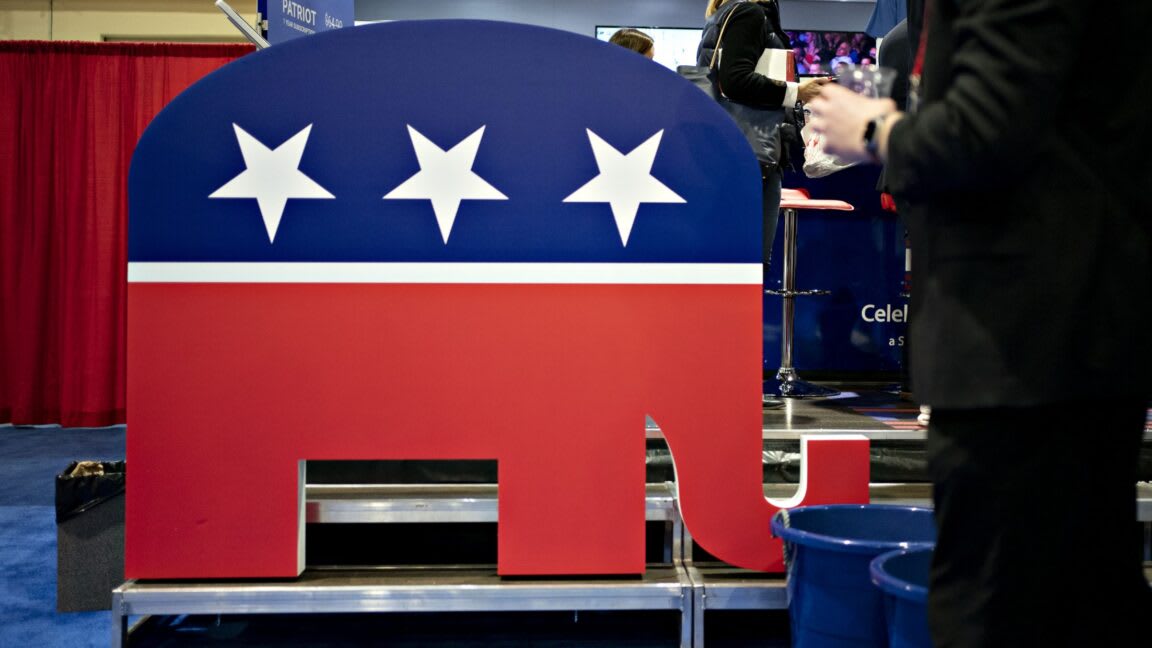
The Supreme Court has mandated that broadcast TV stations extend lowest-unit-rate advertising discounts to political parties and joint fundraising committees. This ruling, prompted by Republican committees, significantly alters campaign finance dynamics during the critical 60-day pre-election window.
Supreme Court Mandates Ad Discounts for Political Parties
In a significant legal shift impacting the landscape of modern American political campaigning, the Supreme Court issued a pivotal order on Friday requiring broadcast television stations to provide their lowest advertising rates to political parties and joint fundraising committees. This ruling serves as a direct response to a petition filed by the National Republican Congressional Committee (NRCC) and the National Republican Senatorial Committee (NRSC), marking a substantial victory for these organizations as they prepare for high-stakes electoral cycles.
Expanding the Scope of Campaign Law
Historically, federal law has mandated that broadcasters offer 'lowest unit rates' to individual candidates during the 60-day window preceding a general election. This regulation was designed to ensure that candidates for office could communicate with their constituents without being priced out of the airwaves by commercial entities. By extending this mandate to political parties and joint fundraising committees, the Supreme Court has effectively broadened the reach of these protections, acknowledging the increasingly central role these groups play in the modern electoral infrastructure.
Strategic Implications for Fundraising
Political parties and joint fundraising committees operate with fewer restrictions on the scale of their capital accumulation compared to individual candidate campaigns. By securing access to discounted advertising rates, these committees can now stretch their financial resources significantly further. This development allows parties to command greater media presence throughout the final two months of a campaign, a period traditionally characterized by intense competition for viewer attention and voter persuasion.
The 60-Day Pre-Election Window
The timing of this Supreme Court intervention is critical, as it coincides with the onset of the mandatory 60-day pre-election period. During this time, media markets typically experience a surge in demand for commercial slots, which often drives prices upward. By forcing broadcasters to offer discounted rates to party entities, the Court has essentially capped the potential revenue these stations might have generated from political advertising, while simultaneously lowering the barrier to entry for party-funded messaging.
Future Trends in Political Advertising
This ruling establishes a new precedent that could fundamentally change how political entities allocate their media budgets. As parties gain the ability to purchase airtime at the same rates as individual candidates, we may see a shift in campaign strategy where more messaging is funneled through party organizations rather than candidate-specific campaigns. This could foster a more centralized approach to campaign advertising, potentially amplifying the influence of national committees at the expense of localized campaign control.
Conclusion
The Supreme Court’s decision represents a major recalibration of the relationship between broadcasters and political organizations. By mandating the extension of discount rates to parties and joint committees, the judiciary has intervened in the economics of political communication, ensuring that these powerful entities can maximize their reach during the most critical phase of the election cycle. As stations adjust their pricing models to comply with this order, the ripple effects will likely be felt in the volume and frequency of political ads seen by voters across the nation.