BJP chief Nitin Nabin pulls up 3 MPs for visiting Sajjan Kumar residence
Source Entity
ROHITASHWA RANJAN
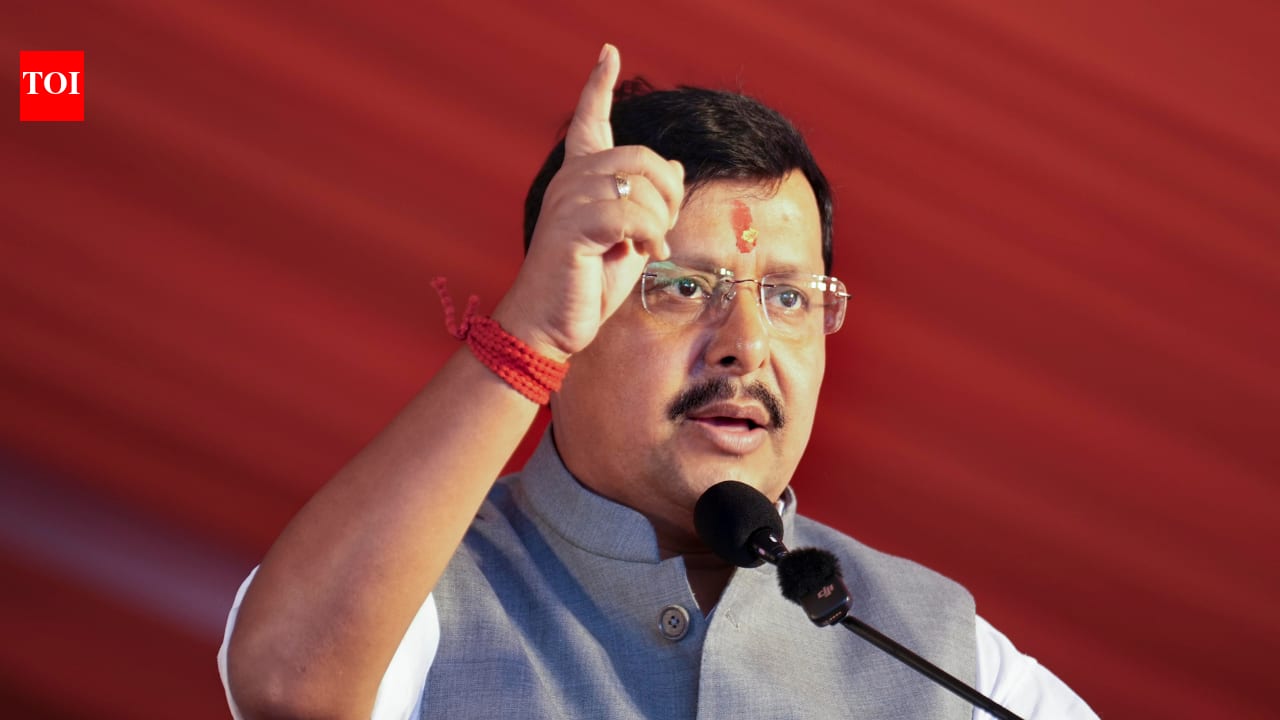
BJP president Nitin Nabin has reprimanded three Delhi MPs for visiting the residence of the late Sajjan Kumar, a convicted figure in the 1984 anti-Sikh riots. The incident has drawn sharp criticism from the Aam Aadmi Party, which questioned the BJP's stance on the matter.
Political Controversy Surrounding the 1984 Riots Legacy
The recent incident involving three Delhi-based Bharatiya Janata Party (BJP) members of parliament visiting the residence of the late Sajjan Kumar has ignited a significant political firestorm. Sajjan Kumar, a former Congress leader, was serving two life sentences for his role in the 1984 anti-Sikh riots at the time of his death on August 20. The visit, intended as a gesture of condolence, has been viewed by party leadership and political opponents as a grave breach of the party's ideological and moral stance regarding the 1984 tragedy.
BJP Leadership Intervention
Recognizing the potential political fallout, BJP president Nitin Nabin took swift action, summoning lawmakers Kamlajeet Sehrawat, Ramvir Singh Bidhuri, and Yogender Chandolia. Nabin expressed clear consternation, emphasizing that the actions of these MPs were not in alignment with the party's official position. By pulling up the legislators, the BJP leadership is attempting to reaffirm its commitment to the victims of the 1984 Sikh pogrom, an issue that remains a cornerstone of the party’s historical narrative and political positioning in Delhi.
The AAP Counter-Offensive
Predictably, the Aam Aadmi Party (AAP) has leveraged this development to challenge the BJP’s consistency. By publicly questioning if the BJP intends to suspend these MPs for what they termed "backstabbing Sikhs," the AAP is highlighting the perceived hypocrisy between the BJP's rhetoric on justice for the 1984 riots and the personal conduct of its own representatives. This tactical move by the AAP aims to erode the BJP's credibility among the Sikh electorate, a demographic highly sensitive to any developments concerning the 1984 riots.
Historical Context and Broader Implications
The 1984 riots, which erupted following the assassination of Prime Minister Indira Gandhi, remain a deeply sensitive chapter in Indian political history. The BJP has consistently positioned itself as the primary advocate for the families of the victims, often using the legal convictions of Congress leaders like Sajjan Kumar to contrast its commitment to justice against the historical record of the Congress party. Any perceived sympathy for individuals convicted in these riots by BJP leaders threatens to undermine years of political branding.
Future Trends in Political Accountability
This incident underscores a growing trend in Indian politics where the personal actions of elected representatives are increasingly scrutinized through the lens of party ideology. As political parties work to maintain strict discipline, incidents of "rogue" behavior are likely to be met with more immediate and public disciplinary actions. The pressure from opposition parties like the AAP ensures that such transgressions are kept in the public eye, forcing parties to demonstrate consistent adherence to their core values to avoid losing voter trust.
Conclusion
In conclusion, the reprimand of these three MPs by Nitin Nabin serves as a damage-control exercise meant to preserve the BJP’s moral high ground regarding the 1984 riots. While the internal disciplinary action addresses the party's immediate need to restore order, the external pressure from the AAP signals that this issue will continue to be a potent tool for political maneuvering. The episode serves as a reminder of the enduring weight of historical grievances in contemporary Indian political discourse.
Multiple Citing Sources