Inside BJP’s plan for NCP: Merger, two Cabinet berths, NDA entry
Source Entity
Liz Mathew
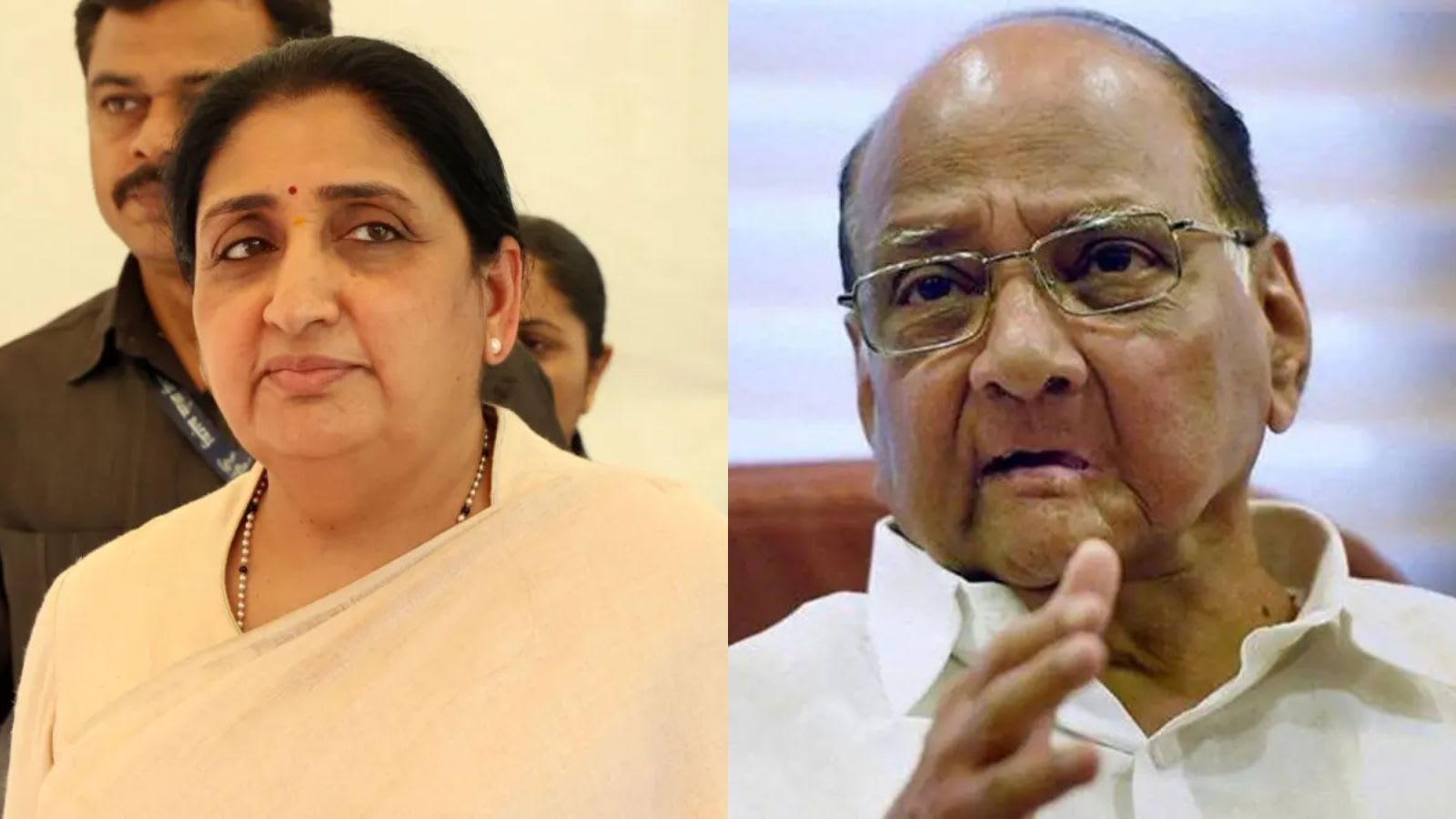
The BJP is actively seeking to consolidate its parliamentary numbers to pass key constitutional amendments, including the Delimitation and Women’s Reservation bills. To secure the necessary two-thirds majority, the party is proposing the reunification of the NCP factions within the NDA framework.
The Strategic Push for Constitutional Reform
The Bharatiya Janata Party (BJP) is currently engaged in a high-stakes legislative maneuver to secure the necessary two-thirds majority in the Lok Sabha. The primary objective is the passage of the Constitution (131st Amendment) Bill, a cornerstone of the government's agenda that aims to increase the Lok Sabha’s strength from 543 to 850 seats. This legislative expansion is not merely procedural; it is designed to provide the constitutional framework required to implement the long-debated Women’s Reservation Bill and initiate a comprehensive delimitation exercise ahead of the 2029 general election.
The Arithmetic of Power: The NCP Factor
Central to the government’s strategy is the consolidation of regional power bases. Reports indicate that the BJP leadership is actively working to bridge the divide between the two warring factions of the Nationalist Congress Party (NCP). By encouraging the reunification of the Sunetra Pawar-led faction and the NCP (Sharadchandra Pawar), the BJP aims to bring the entire party into the National Democratic Alliance (NDA) fold. This effort includes an enticing offer of two Union Cabinet berths, designed to incentivize a compromise that would strengthen the NDA’s voting strength in Parliament.
Overcoming Legislative Stagnation
The legislative path has been fraught with challenges, most notably the failure of the 131st Amendment Bill to pass during the April 2026 session. Falling short of the required two-thirds majority necessitated a tactical pivot. The BJP’s current approach focuses on peeling away support from the opposition bloc, which has shown signs of fracturing over the nuances of the proposed seat increases. While the opposition was once a united front against the bill, shifting priorities have created openings for the government to negotiate with parties concerned about their specific regional interests.
The Rationale Behind the 50% Seat Increase
The government’s proposal to increase the total number of seats by approximately 50% is a strategic necessity aimed at reconciling competing political demands. By expanding the total house capacity, the government intends to implement the Women’s Reservation Bill without disrupting the existing seat proportions of current male incumbents. This approach is intended to mitigate the political risk associated with re-drawing constituency boundaries, which has historically been a volatile issue in Indian electoral politics.
Navigating the Monsoon Session
As the Monsoon Session approaches, the political climate remains intense. The Congress party, wary of being isolated, has called for an all-party meeting, signaling a recognition that the opposition's defensive wall is weakening. The government, meanwhile, is leveraging the potential for a 'One Nation, One Election' framework alongside the Delimitation Bill to create a cohesive narrative of structural reform. Whether the BJP can successfully broker the NCP reunification and capitalize on opposition divisions will determine if these landmark bills finally cross the finish line.
Future Implications for Indian Governance
If successful, the passage of these bills would mark the most significant restructuring of the Indian Parliament since independence. The combination of increased parliamentary capacity, reserved seats for women, and a fresh delimitation exercise will reshape the electoral map for decades to come. The current negotiations reflect a broader trend in Indian politics, where the quest for a 'super-majority' is driving unconventional alliances and forcing regional parties to choose between ideological opposition and the pragmatic benefits of alignment with the ruling coalition.
Multiple Citing Sources