BJP vs BJP in Bengal: Six months into government, what is plaguing the party?
Source Entity
Atri Mitra
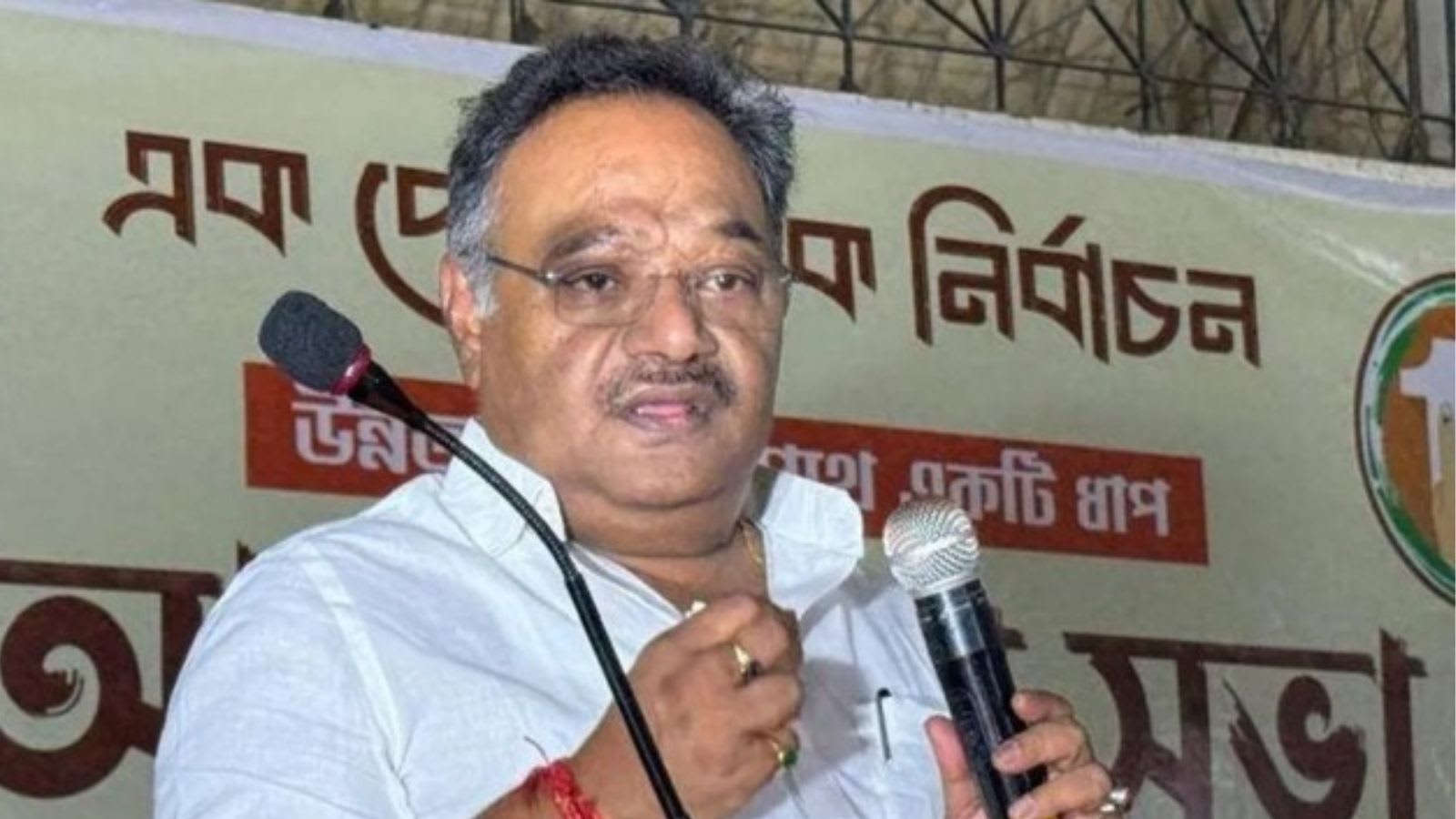
The West Bengal BJP is grappling with internal instability and ideological friction six months after its electoral victory. Central leadership has issued a stern warning against indiscipline as the party attempts to bridge the gap between veteran cadres and defectors.
Internal Strife in the West Bengal BJP: An Analysis
Barely six months after a landmark electoral victory that saw the Bharatiya Janata Party (BJP) route the Mamata Banerjee-led Trinamool Congress (TMC) in West Bengal, the party is facing significant internal turbulence. While the victory was hailed as a major political shift in the state, the honeymoon period appears to be over, replaced by growing fissures that threaten the party's organizational cohesion and long-term stability.
The Roots of Factionalism
At the heart of the crisis lies the friction between long-time party veterans and a large influx of former TMC activists who joined the BJP fold. Many veteran workers, particularly those aligned with the Sangh Parivar, feel alienated by the rapid integration of their former political rivals. This discomfort is exacerbated by the perception that the party's expansionist strategy has prioritized numerical growth over ideological consistency, leading to tensions that are now bubbling to the surface.
Governance and Ethical Challenges
Beyond ideological clashes, the party is struggling with practical governance issues, including allegations of extortion and concerns regarding the state's law and order. These issues have created a disconnect between the party's leadership and its grassroots base, which originally supported the BJP out of resentment toward the previous TMC administration. When elected representatives and party workers are seen engaging in the same behaviors they once criticized, the moral authority of the party is significantly undermined.
Central Intervention and 'Sevadoot'
In response to these growing concerns, the BJP’s central leadership has intervened with a display of zero-tolerance for indiscipline. During a recent meeting focused on the implementation of the ‘Sevadoot’ (messenger of service) outreach campaign, All-India General Secretary Sunil Bansal and State President Samik Bhattacharya delivered stern warnings to ministers and public representatives. The message was clear: bypassing organizational decisions will no longer be tolerated as the party seeks to regain its footing.
The Path Ahead
The implementation of the ‘Sevadoot’ campaign serves as a litmus test for the state unit's discipline and organizational reach. By attempting to mobilize the party machinery for a month-long outreach effort, the leadership hopes to refocus the cadre on service delivery rather than internal power struggles. However, the success of this initiative depends heavily on whether the central command can successfully mediate the deep-seated grievances between the old guard and the new recruits.
Conclusion
Ultimately, the West Bengal BJP stands at a critical juncture. The party must balance the need for electoral expansion with the necessity of maintaining internal discipline and ideological purity. If the leadership fails to reconcile these conflicting interests, the current fissures could deepen, potentially jeopardizing the electoral gains made during the recent state polls and leaving the party vulnerable to future challenges.