'Rename Nagpur Too': Team Uddhav On Move To Change Mumbai's Dadar Metro Station Name
Source Entity
NDTV News Search Records Found 1000
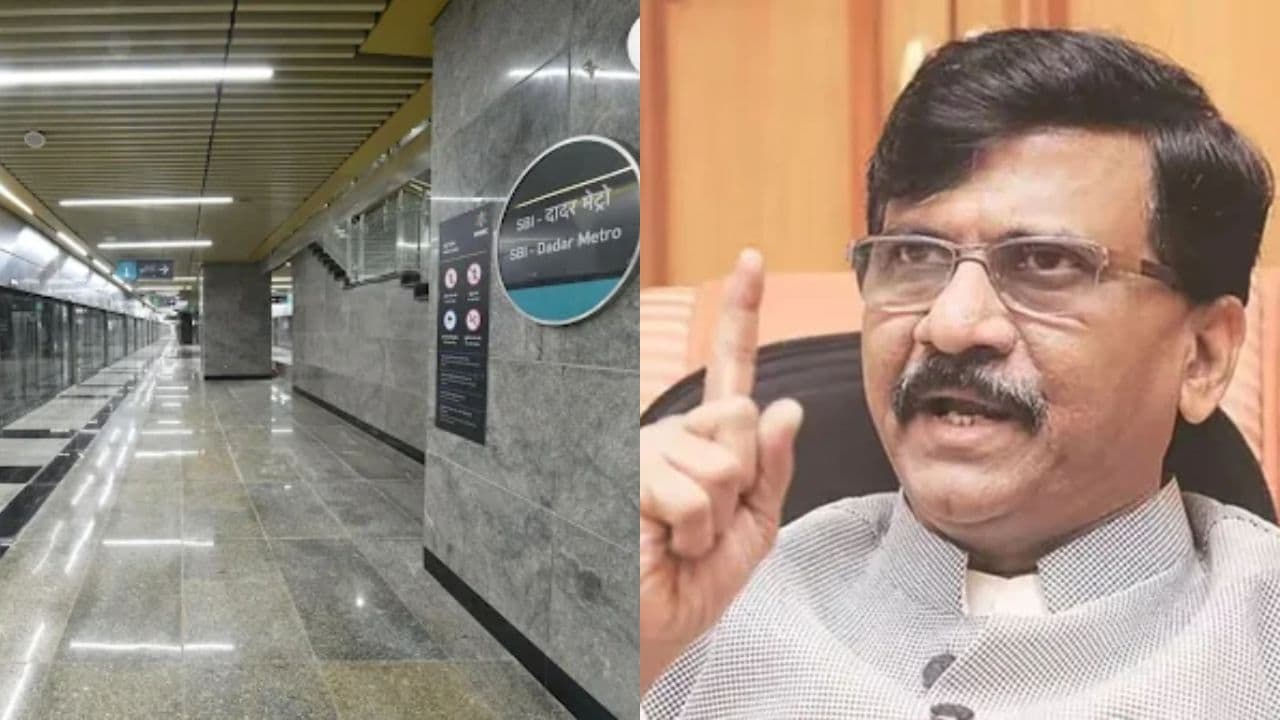
Sanjay Raut has proposed renaming Nagpur to Deekshabhoomi to honor Dr. B.R. Ambedkar, following the Maharashtra government's plan to rename a Dadar metro station. The state has subsequently established a formal committee to oversee the naming and renaming of metro infrastructure in Mumbai and Pune.
The Politics of Nomenclature: Maharashtra's Renaming Debate
A Shift in Symbolic Geography
The recent discourse surrounding the renaming of transport infrastructure in Maharashtra has transcended local administrative adjustments, evolving into a significant political narrative. The Maharashtra government's initiative to rename the Dadar Metro station to 'Chaityabhoomi'—a site of profound historical and spiritual significance to followers of Dr. B.R. Ambedkar—has triggered a wider conversation about how the state honors its icons. By anchoring these spaces in the legacy of Dr. Ambedkar, the state is engaging in a form of symbolic politics that reflects the deep-seated cultural reverence for the architect of the Indian Constitution.
Sanjay Raut’s Strategic Counter-Proposal
Sanjay Raut, representing the Uddhav Thackeray-led faction, has expanded this dialogue by proposing that Nagpur be renamed 'Deekshabhoomi.' This demand is not merely a reactionary political stance; it serves to highlight the historical importance of Nagpur, where Dr. Ambedkar famously converted to Buddhism in 1956. By advocating for this change, Raut is positioning his party as a guardian of Ambedkarite values, challenging the ruling administration to match their localized renaming efforts with a more profound, state-wide recognition of Ambedkar’s historical impact.
Institutionalizing the Process
In response to the growing complexity of these demands, the Maharashtra Urban Development Department (UDD) has established a formal panel tasked with reviewing the naming and renaming of metro stations across Mumbai and Pune. This shift toward institutionalization is a critical development, as it seeks to move the process away from ad-hoc political demands and into a structured bureaucratic framework. The committee will likely face the challenge of balancing historical preservation and communal sentiment against the practical needs of urban navigation and infrastructure branding.
Historical Context and Social Implications
Naming conventions in India have historically served as a mechanism for reclaiming identity and correcting historical narratives. The focus on 'Chaityabhoomi' and 'Deekshabhoomi' underscores the central role that Dalit identity and Ambedkarite thought play in the political landscape of Maharashtra. These sites are not just geographical markers but are centers of pilgrimage and political mobilization. The current debate reflects an ongoing struggle to define how the state should commemorate figures who have shaped the national ethos.
Future Trends and Political Fallout
The formation of the UDD committee suggests that renaming will remain a prominent feature of Maharashtra's political discourse as the state approaches future electoral cycles. As the committee evaluates proposals, the tension between regional identity and administrative efficiency will likely persist. Moving forward, the success of these renaming initiatives will depend on whether they are viewed by the public as genuine tributes to historical figures or as purely cosmetic political maneuvers designed to secure voter support. The outcome of these deliberations will undoubtedly influence the cultural geography of Mumbai and Pune for years to come.
Verification Required?