Muscular or mellow: A masculinity binary in the poll season
Source Entity
Latest News: Todays Latest News Headlines from India & World | Hindustan Times
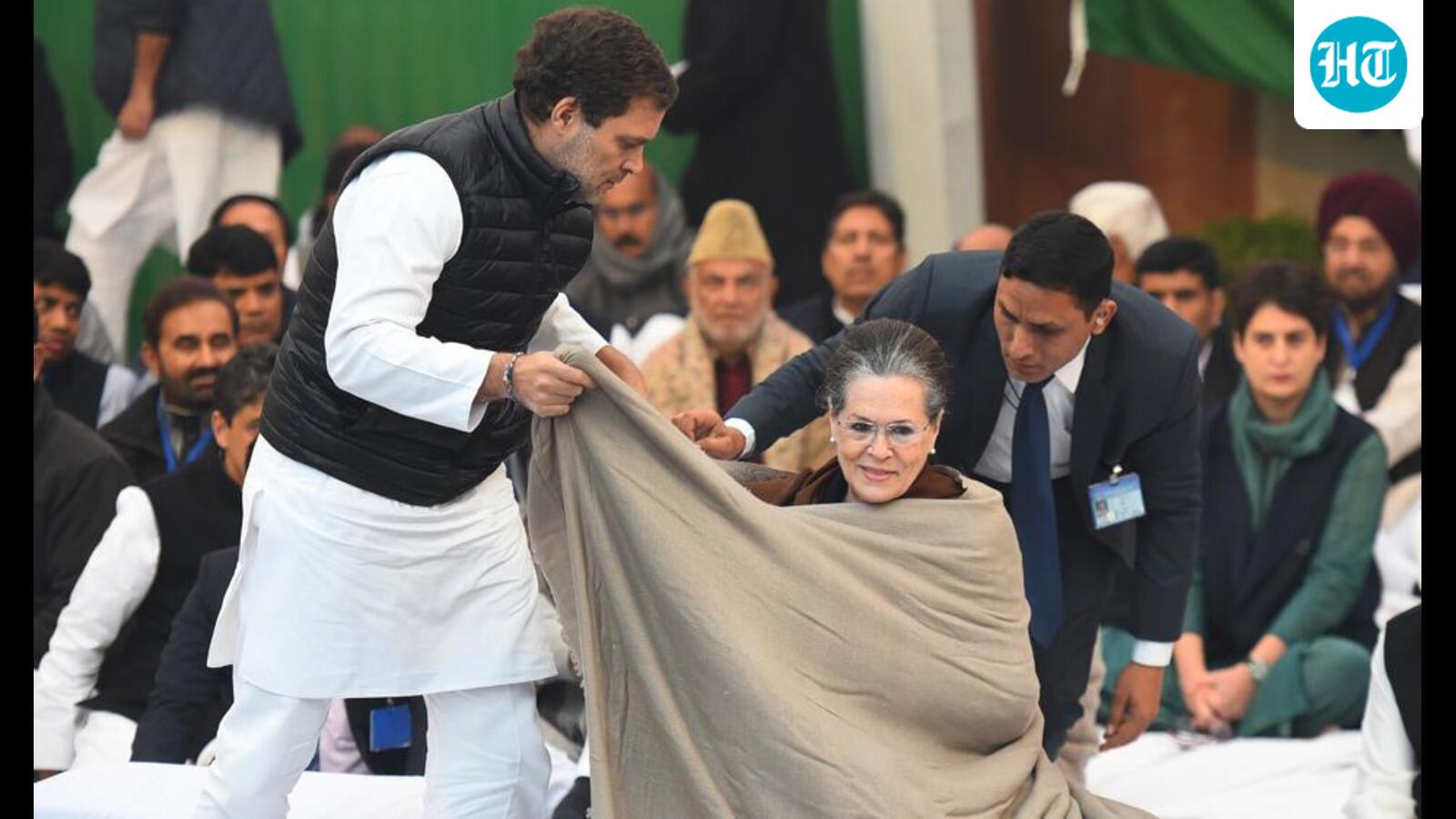
The current Indian political landscape features a stark contrast between the ruling party's projection of strength and the Opposition's focus on softer, more relatable narratives. This binary approach to masculinity reflects a strategic attempt to connect with voters through distinct emotional and ideological frameworks.
The Masculinity Binary in Indian Political Discourse
In the current Indian electoral landscape, a fascinating dichotomy has emerged in how political leaders project their personal and public personas. The ruling party and the Opposition are increasingly relying on competing archetypes of masculinity—one rooted in traditional strength and decisive authority, the other in vulnerability, empathy, and relatability. This strategic framing is not merely a stylistic choice; it represents a fundamental attempt to capture the electorate’s imagination by appealing to different emotional registers.
The Opposition’s Narrative of 'Mellow Masculinity'
The Opposition, particularly the Gandhi family, has pivoted toward a narrative of 'mellow masculinity.' This approach emphasizes the personal, the familial, and the human side of leadership. By sharing intimate anecdotes—such as Rahul Gandhi’s public reflections on his upbringing, his parents' relationship, and his personal life—the Opposition aims to position itself as 'regular, relatable, and softer' folk. This narrative arc relies heavily on the themes of sacrifice and personal tragedy, framing their political journey through the lens of individual resilience rather than sheer institutional power.
The Strategic Use of Vulnerability
The saturation of media coverage surrounding Sonia Gandhi’s memoir, Belonging, serves as a prime example of this strategy. By highlighting nostalgic, domestic imagery—such as the depiction of a young Rahul Gandhi observing his parents' affection—the discourse shifts from policy-heavy critiques to emotional connection. This 'love story' framing is designed to humanize the political elite, suggesting that their capacity for empathy is a prerequisite for governance. It is an attempt to cultivate a brand of leadership that feels accessible to the common voter, contrasting sharply with the often-impenetrable wall of statecraft.
The Ruling Party’s Counter-Narrative
Conversely, the ruling party continues to project an image of muscular, assertive, and decisive masculinity. This archetype is often characterized by unwavering strength, a focus on national security, and an projection of absolute command. While the Opposition leans into the 'mellow' and the 'relatable,' the ruling establishment leans into the 'strong' and the 'transformative.' The contestation here is between two different visions of what a leader should be: one who invites the public into their personal history, and one who stands as a bastion of national strength.
Broader Implications for Future Elections
The success of these competing narratives will likely dictate the political trajectory of the nation for the next several years. If the electorate prioritizes stability and strength, the 'muscular' narrative will likely prevail. However, if voters are seeking a departure from aggressive political rhetoric, the 'mellow' approach may find more traction. This binary highlights a maturing political culture where the personal lives and emotional expressions of candidates are now central to the electoral calculation, reflecting a global trend toward personality-driven politics.
Conclusion: Assessing the Impact
Ultimately, whether the 'mellow' or the 'muscular' image proves more convincing depends on the current mood of the Indian voter. The reliance on these archetypes suggests that political parties are no longer just selling manifestos; they are selling identities. As this season progresses, the winner will likely be the one who successfully reconciles their projected persona with the immediate, lived concerns of the populace, proving that in modern politics, the image is often just as significant as the policy.
Verification Required?