Murder of BJP worker by own party members sparks speculation of intra-party feud in West Bengal
Source Entity
India Latest News: Top National Headlines Today & Breaking News | The Hindu
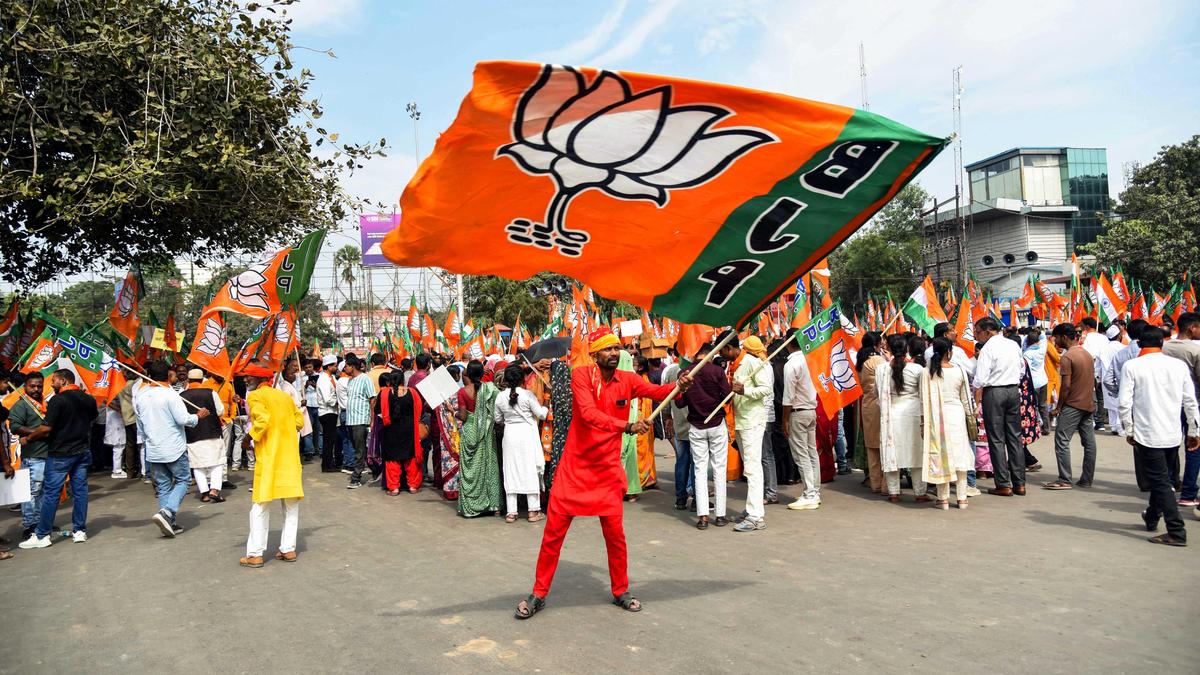
The killing of a BJP worker in West Bengal has ignited concerns over internal party friction between veteran members and recent defectors. The incident, occurring in Panihati, highlights growing instability within the state unit following the 2026 election victory.
Internal Strife within West Bengal BJP
The Incident at Panihati
The recent violent death of Arup Saha, the husband of a local BJP official in Panihati, North 24 Parganas, has brought the internal dynamics of West Bengal’s ruling party into sharp focus. The incident, which occurred on November 15, 2026, followed a series of confrontations that began on November 14, when local party secretary Ruma Saha protested the assault of a businessman. The subsequent verbal abuse directed at Ruma Saha and the fatal attack on her husband by a mob—reportedly including party supporters—suggests a deep-seated friction within the organizational ranks.
Factionalism Post-2026 Victory
Since the Bharatiya Janata Party (BJP) ascended to power in West Bengal in the summer of 2026, the party has struggled with the integration of diverse political factions. The primary tension appears to exist between 'original' party loyalists who built the organization over years and those who migrated from the Trinamool Congress (TMC) following the May 2026 assembly election results. This influx of new members, while electorally beneficial for the victory, has created significant cultural and ideological friction within local mandals (zones).
The Challenge of Political Integration
The incident at Panihati is not an isolated occurrence but rather a symptom of broader organizational instability. When a political entity undergoes a rapid expansion or sudden power shift, the competition for local influence often turns violent. In this case, the transition of power has seemingly created a power vacuum or a contest for dominance between the old guard and the new recruits, leading to the breakdown of internal discipline and the resort to physical violence against fellow workers.
Broader Political Implications
The fallout from this incident poses a significant challenge to the BJP's consolidation of power in West Bengal. If the party leadership cannot reconcile the divergent interests of its long-time supporters and recent defectors, it risks losing the grassroots credibility required to maintain governance. Furthermore, such public displays of infighting provide an opening for opposition parties to capitalize on perceptions of chaos and lack of control within the current administration.
Looking Ahead: Stability or Volatility?
Moving forward, the BJP's ability to manage its internal affairs will dictate the stability of its rule in the state. The central leadership will likely need to implement stricter disciplinary protocols and initiate mediation processes to bridge the gap between factions. Failure to address these intra-party feuds could lead to further fragmentation, ultimately weakening the party’s electoral prospects in future municipal and panchayat elections. The path to long-term governance in West Bengal will depend on whether the party can transform from a coalition of convenience into a cohesive political unit.
Verification Required?