‘Ensure regular meetings, audits, zero tolerance for corruption’: BJP tells college governing body presidents
Source Entity
Tanusree Bose
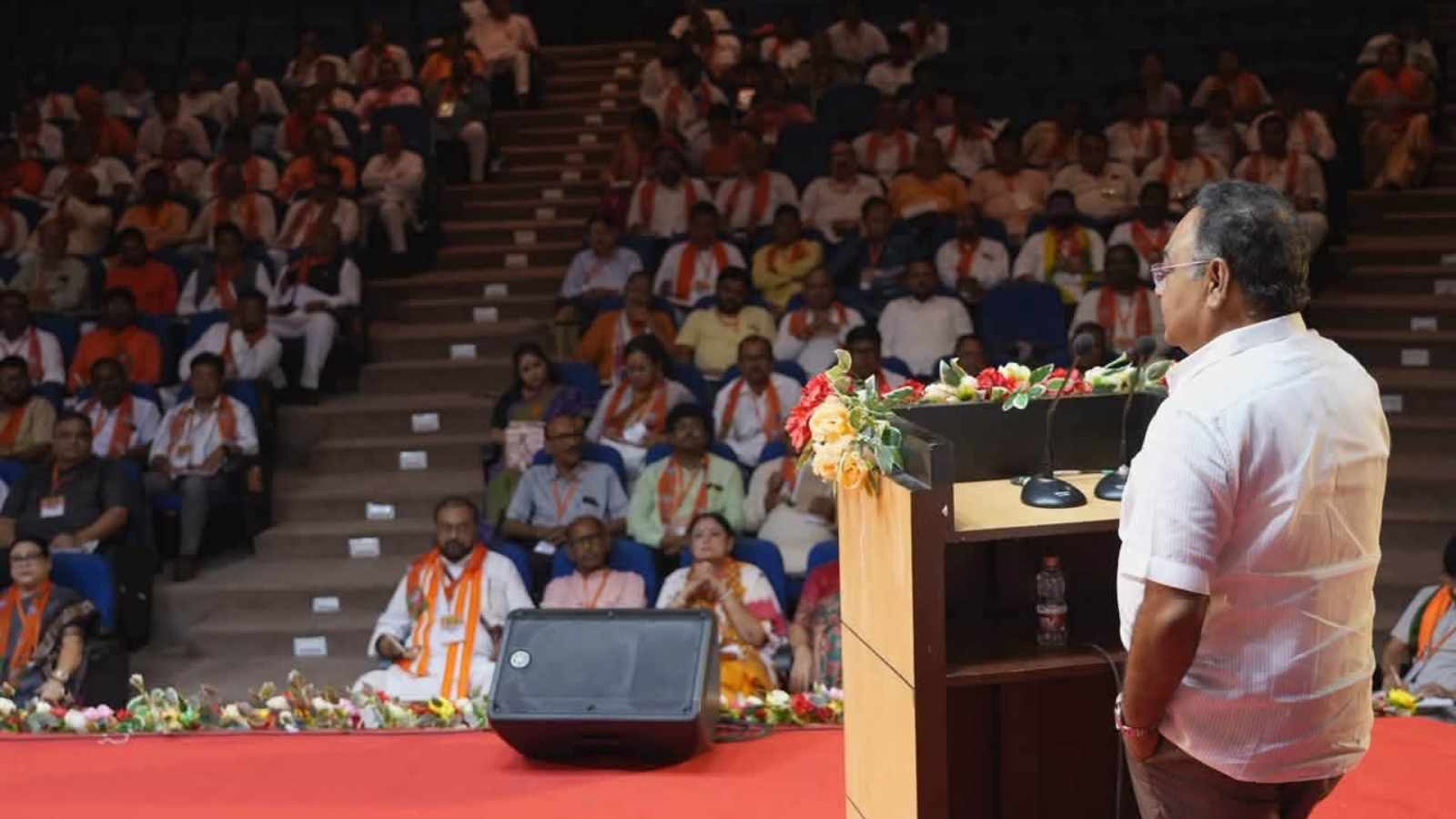
The BJP recently conducted a workshop for over 450 college governing body presidents in West Bengal to establish strict guidelines for academic administration. The initiative focuses on curbing corruption and improving financial oversight within state educational institutions.
BJP Initiates Administrative Reforms in West Bengal Colleges
In a significant move aimed at reshaping the governance of higher education in West Bengal, the Bharatiya Janata Party (BJP) recently organized a comprehensive workshop for the presidents of governing bodies across more than 450 colleges. Held at the prestigious National Library, the event saw key leadership, including state president Shamik Bhattacharya and state observer Sunil Bansal, outline a new vision for academic administration. This initiative marks a strategic effort by the party to exert oversight on institutional practices that have long been under the purview of state-level management.
The Core Mandate: Zero Tolerance for Corruption
Central to the discussions was the implementation of a "zero tolerance" policy regarding corruption and the misuse of power. By addressing the governing body presidents directly, the BJP is attempting to decentralize accountability, ensuring that individual college leaders are held responsible for the integrity of their institutions. This move signals a departure from traditional administrative norms, aiming to insulate academic environments from political interference and financial malfeasance that have historically plagued public institutions in the region.
Financial Oversight and Institutional Functioning
Beyond anti-corruption measures, the workshop provided a structured framework for financial audits and regular meetings. The guidelines emphasize transparency in recruitment processes and the prioritization of student welfare. By standardizing these operational requirements, the party seeks to professionalize the functioning of governing bodies, ensuring that academic resources are utilized efficiently and that the daily operations of colleges adhere to rigorous administrative standards.
Broader Political and Administrative Implications
While the primary focus remained on educational governance, the meeting also touched upon the upcoming municipal elections. This convergence of academic oversight and political strategy highlights the BJP's intent to utilize its institutional appointments as a means of strengthening its grassroots presence. By positioning itself as the primary advocate for clean governance in colleges, the party is effectively creating a platform that resonates with both the academic community and the broader electorate concerned with administrative reform.
Future Trends and Challenges
Looking ahead, the success of this initiative will depend on the actual implementation of these audits and the willingness of governing body presidents to challenge the status quo. If these measures lead to tangible improvements in student welfare and institutional transparency, they could serve as a model for administrative reform in other states. However, the move is likely to face scrutiny and potential pushback from competing political factions, setting the stage for a broader debate on the influence of political parties in state-funded educational institutions.