Trump Calls Russia-Iran Sanctions Bill ‘Very Severe’ Ahead of Xi Meeting
Source Entity
Latest News: Todays Latest News Headlines from India & World | Hindustan Times | Hindustan Times
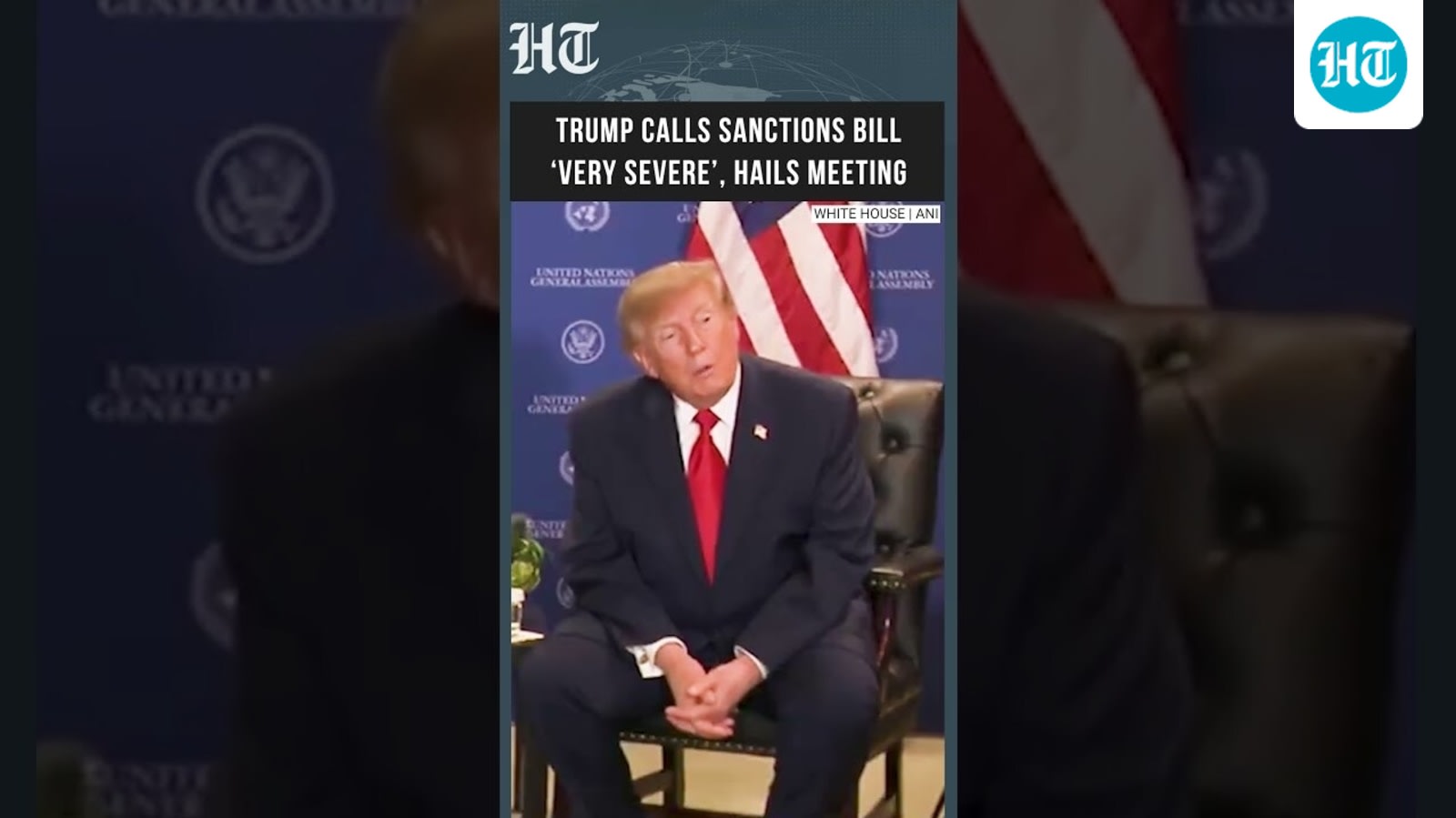
President Trump has labeled the 2026 sanctions bill targeting Russia and Iran as exceptionally severe. Simultaneously, he is preparing for a high-stakes meeting with President Xi Jinping, which he characterizes as a significant diplomatic engagement.
The Geopolitical Balancing Act: Sanctions and Diplomacy
President Donald Trump has recently characterized the Lindsey O. Graham Sanctioning Russia and Iran Act of 2026 as a "very severe" and "very tough" legislative measure. This characterization highlights the administration's current stance on utilizing aggressive economic statecraft to address the perceived malign activities of both Moscow and Tehran. By labeling the bill with such strong adjectives, the President is signaling both to domestic stakeholders and international adversaries that the United States is prepared to escalate its economic pressure campaign to achieve its foreign policy objectives.
The Impact of the 2026 Sanctions Framework
The legislative effort led by Senator Lindsey Graham represents a significant escalation in the use of secondary sanctions. By targeting Russia and Iran simultaneously within a single act, the bill aims to disrupt the strategic alignment between these two nations. The "severity" noted by the President suggests that the administration anticipates substantial disruption to the global financial systems and trade networks that these sanctioned entities utilize. This move reflects a broader trend in American foreign policy where economic isolation is increasingly favored over traditional kinetic military engagement.
Preparing for the Xi Jinping Summit
Contrasting the stern rhetoric regarding the sanctions bill, President Trump has adopted a more optimistic tone concerning his upcoming meeting with Chinese President Xi Jinping, describing the encounter as a "big deal." The juxtaposition of these two events—the implementation of severe sanctions on Russia and Iran and the pursuit of a high-level diplomatic dialogue with China—underscores the complex multi-polar strategy the White House is currently navigating. The President’s emphasis on his "good relationship" with Xi serves to frame the upcoming summit as a potential turning point for US-China relations.
Strategic Implications of the US-China Dialogue
The upcoming summit between Trump and Xi is poised to be a defining moment for global trade and geopolitical stability. By characterizing the meeting as a "big deal," the administration is heightening public and market expectations for tangible outcomes. Whether this meeting will lead to a de-escalation of trade tensions or a new framework for cooperation remains to be seen, but it is clear that the President is attempting to leverage personal rapport to navigate deep-seated structural disagreements between the two superpowers.
Future Trends in Global Power Dynamics
Moving forward, the effectiveness of the Sanctioning Russia and Iran Act of 2026 will likely be measured by the extent to which it forces a change in the behavior of the targeted nations. If these sanctions prove effective, it may embolden the U.S. to pursue similar legislative frameworks in the future. Simultaneously, the success of the Trump-Xi meeting will dictate the temperament of the global economy for the remainder of the year. The intersection of these two developments—the rigid application of sanctions and the fluid nature of personal diplomacy—will remain the primary drivers of international relations in the coming months.
Verification Required?