'I wrongly thought markets, munitions, midterms would make Trump end Iran war': Blinken| HTLS 2026
Source Entity
Latest News: Todays Latest News Headlines from India & World | Hindustan Times
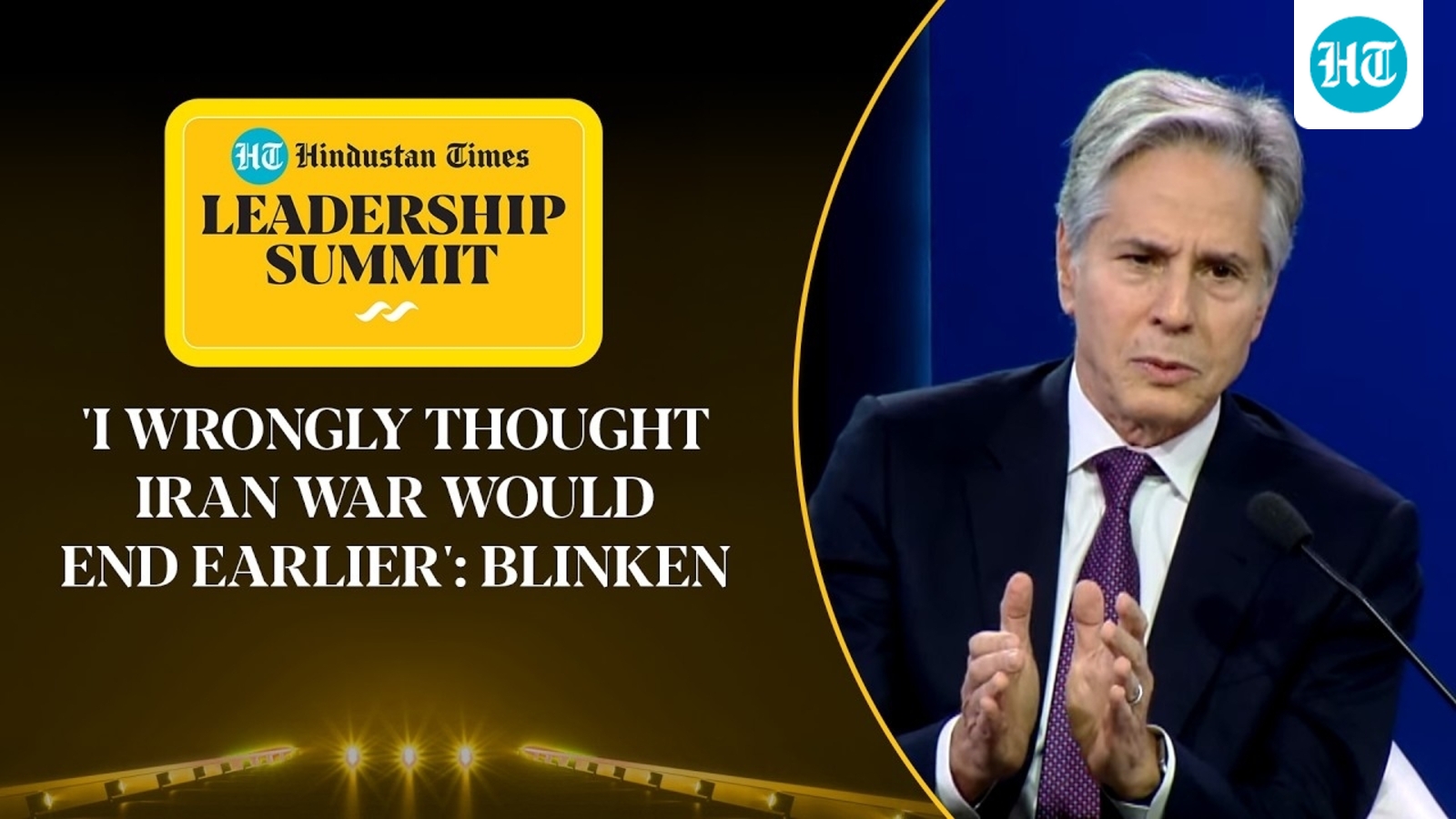
Former US Secretary of State Antony Blinken analyzed the 2026 midterm results and the ongoing Iran conflict at the HT Leadership Summit. He highlighted how economic pressures and the Iran war impacted Republican losses while cautioning that a diplomatic resolution with Tehran remains complex.
The Geopolitical and Economic Fallout of the 2026 Midterms
At the 2026 Hindustan Times Leadership Summit, former US Secretary of State Antony Blinken provided a critical assessment of the current American political landscape. Following the November 3 midterm elections, Blinken noted that the scale of Republican losses was significantly greater than anticipated. This electoral shift serves as a referendum on the administration of Donald Trump, reflecting deep-seated voter dissatisfaction with the trajectory of both domestic and foreign policy.
Economic Pressures and Voter Frustration
Blinken identifies a clear disconnect between government economic data and the lived experiences of American voters. While inflation may be slowing, the persistent high cost of living has left the electorate feeling the strain of unfulfilled campaign promises. Furthermore, Blinken specifically points to the Trump administration’s tariff policies and the ongoing war with Iran as primary drivers of inflationary pressure, which ultimately eroded voter confidence and contributed to the Republican party's legislative setbacks.
The Complexities of the Iran Conflict
Regarding the ongoing war with Iran, Blinken offered a sober analysis of the strategic landscape. He emphasized that any path toward a sustainable peace will likely necessitate significant concessions to Tehran, potentially mirroring the structure of the nuclear agreement that Donald Trump withdrew from during his previous tenure. The difficulty of a military solution is underscored by Iran’s unique geography, its critical influence over the Strait of Hormuz, and its decentralized, inland weapons production facilities, which make traditional strikes less effective.
The Need for a Diplomatic Off-Ramp
Despite the complexities, Blinken advocates for a diplomatic off-ramp to prevent further regional escalation. He expressed skepticism regarding the current administration’s willingness to pivot toward such a strategy, noting that he had previously miscalculated the likelihood of the administration using market pressures or midterm results to force an end to the conflict. This uncertainty regarding Trump’s future intentions leaves the geopolitical situation in a state of high volatility.
Broader Implications and Future Trends
Looking forward, the combination of domestic economic instability and an intractable foreign conflict suggests a period of prolonged uncertainty. The perception of corruption within the administration, combined with the economic burden of the Iran war, has created a challenging environment for governance. As the US navigates the aftermath of the midterms, the ability to balance these internal and external pressures will be the defining test for American leadership in the coming years.
Conclusion
In summary, Blinken’s analysis highlights the intricate link between domestic economic reality and foreign policy decisions. The 2026 midterms demonstrate that voters are increasingly sensitive to how international conflicts impact their daily financial security. Whether the administration chooses to pursue a diplomatic solution in Iran or continues its current course will likely dictate the political stability of the United States for the remainder of the term.
Verification Required?