Can donating blood make you obese? Physician debunks the common misconception about weight gain, blood loss and recovery
Source Entity
Latest News: Today's Latest News Headlines from India & World | Hindustan Times | Hindustan Times
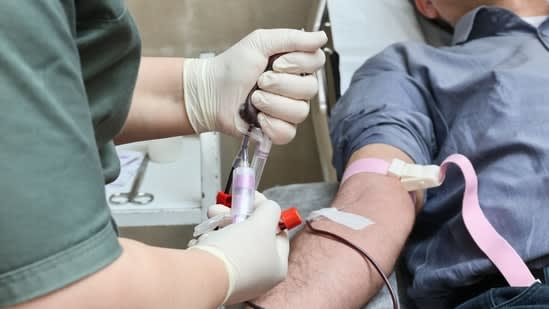
Physician Dr. J.P. Jadwani has debunked the persistent myth that blood donation leads to weight gain or obesity. He emphasizes that donation is a safe, life-saving act and urges eligible individuals to ignore these unscientific concerns.
Debunking the Myth: Blood Donation and Weight Gain
Blood donation remains one of the most critical pillars of modern medical infrastructure, yet it is frequently shadowed by baseless rumors that deter potential lifesavers. One of the most persistent and illogical myths circulating in the public sphere is the belief that donating blood can lead to weight gain or obesity. Dr. J.P. Jadwani, a consultant physician at Lilavati Hospital and Research Centre, has recently stepped forward to provide a definitive scientific rebuttal to this claim, categorizing it as entirely disconnected from physiological reality.
The Physiological Reality of Donation
To understand why this myth is unfounded, one must examine the body's natural recovery process. When an individual donates blood, the body undergoes a predictable process of replenishing fluid volume and red blood cells. This process is a standard homeostatic function that does not trigger metabolic changes leading to fat storage or weight gain. Dr. Jadwani clarifies that the body is highly efficient at regulating itself post-donation, and there is no biological mechanism by which the removal of a pint of blood—approximately 450 to 500 milliliters—could induce an increase in adipose tissue.
Impact of Misinformation on Public Health
Misconceptions act as a significant barrier to public health initiatives. When prospective donors believe that a noble, life-saving act will negatively impact their physical appearance or long-term health, they are less likely to participate in donation drives. This creates a supply-demand gap in blood banks, which are essential for trauma care, surgical procedures, and the management of chronic conditions like thalassemia or anemia. By debunking these myths, medical professionals aim to reclaim the narrative, ensuring that fear-based misinformation does not compromise the availability of life-saving blood supplies.
The Broader Context of Blood Donation
Blood donation is not merely a charitable act; it is a vital component of the global healthcare ecosystem. Hospitals rely on a consistent influx of donations to maintain their inventory. When myths like the 'obesity link' persist, they divert public attention away from the actual eligibility criteria—such as hemoglobin levels, age, and general health status—that truly determine if a person is fit to donate. Focusing on scientific education is the only way to counteract the spread of health-related misinformation in the digital age.
Future Trends in Donor Awareness
As we look toward the future, the integration of verified medical advice into social media discourse will become increasingly important. Physicians like Dr. Jadwani play a crucial role in acting as a bridge between complex medical knowledge and public perception. Moving forward, health institutions must continue to emphasize that blood donation is a safe, regulated, and essential procedure. By dismantling these myths, we can foster a culture of informed altruism, ensuring that the supply of blood is sustained by a well-informed and confident donor base.
Verification Required?