Courier scam: How fraudsters got into BMC chief Ashwini Bhide’s WhatsApp
Source Entity
Mohamed Thaver
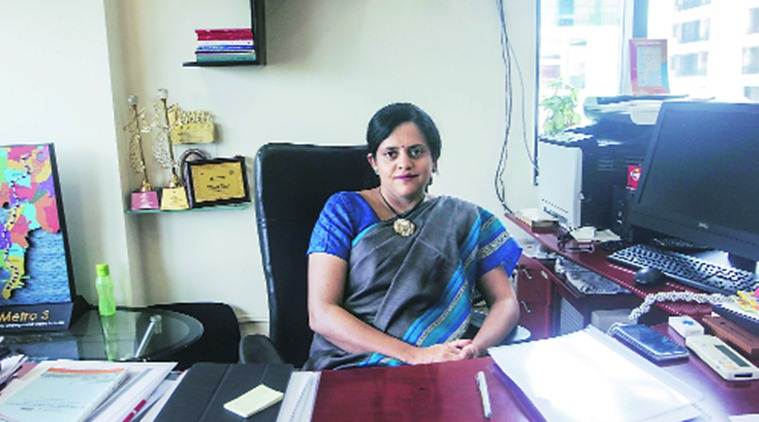
BMC Commissioner Ashwini Bhide recently fell victim to a sophisticated WhatsApp 'courier scam' where fraudsters hijacked her account to solicit funds. This incident highlights a growing trend of high-profile digital impersonation originating from specific regions in India.
The Rising Tide of Digital Impersonation
The recent breach of BMC Commissioner Ashwini Bhide’s WhatsApp account serves as a stark reminder of the escalating sophistication of cybercrime targeting public officials. By hijacking her account, fraudsters were able to gain unauthorized access to her private contact list, masquerading as the Commissioner to solicit funds. This breach was executed by bypassing standard One-Time Password (OTP) protocols through voice call verification, a method that underscores significant vulnerabilities in current mobile messaging security frameworks.
The Mechanics of the Courier Scam
This incident is identified as part of the broader 'courier scam,' a highly coordinated modus operandi that has plagued various public figures, including politicians like Shaina NC, Supriya Sule, and Sambit Patra. The scam typically begins with a deceptive communication—often a phone call or message—pretending to be a courier service representative. By engineering a scenario where the target engages with the attacker, the fraudsters manipulate the account recovery process to seize control of the WhatsApp profile without the victim's immediate knowledge.
Geographical Hubs of Cybercrime
According to investigations by the Mumbai Police, these organized cybercrime operations are frequently traced back to the Jharkhand-Bihar border region. This area has become a known nexus for sophisticated digital fraud, where syndicates leverage local technological infrastructure to conduct large-scale phishing and social engineering campaigns. The repetition of this specific attack pattern against high-profile individuals suggests a systematic approach to identifying and exploiting targets who hold significant public influence.
Vulnerabilities in Account Security
Technologically, the attack relies on the victim's reliance on voice-based verification rather than stricter multi-factor authentication. By opting for a voice call to deliver the verification code, the attackers essentially bypass the secure SMS path, which is often more heavily monitored or protected. This highlights a critical need for users, especially those in public positions, to enable 'Two-Step Verification' within WhatsApp, which adds a PIN layer that prevents unauthorized devices from activating an account even if the verification code is intercepted.
Broader Implications for Public Trust
When figures like the BMC Commissioner are targeted, the implications extend beyond financial loss; it threatens the integrity of communications between public officials and the citizenry. If fraudsters can successfully impersonate high-ranking bureaucrats, the potential for spreading misinformation or manipulating sensitive administrative contacts is immense. This forces a re-evaluation of how public officials manage their digital footprints and the security protocols necessitated by their high-profile status.
Future Trends and Mitigation
As cyber syndicates continue to evolve, the 'courier scam' is likely to become more personalized, utilizing AI-driven voice synthesis or deepfake technology to further enhance the credibility of their impersonations. To combat this, authorities must prioritize digital literacy campaigns and strengthen inter-state law enforcement cooperation to dismantle the infrastructure located in regions like the Jharkhand-Bihar border. Moving forward, the focus must shift from reactive investigation to proactive digital fortification for all public figures.