Boeing posts bigger-than-expected Q2 loss as Air Force One costs rise by $280 million
Source Entity
TOI WORLD DESK
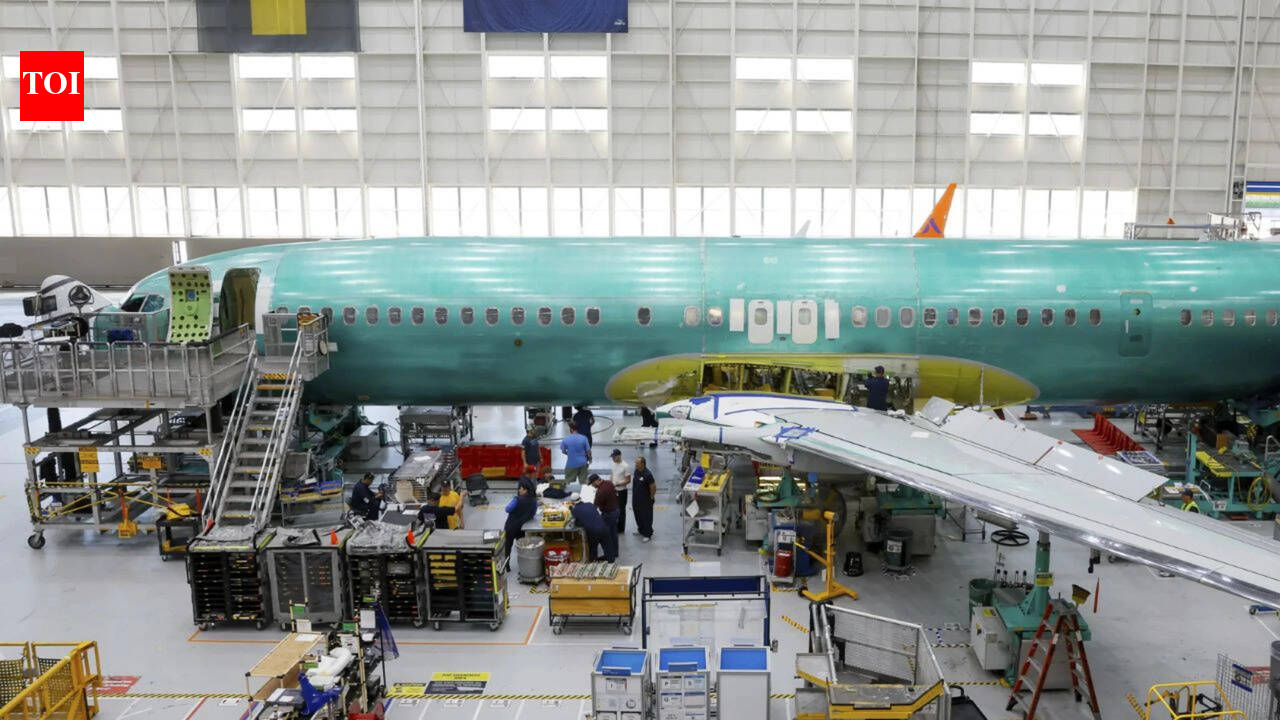
Boeing reported a larger-than-expected Q2 net loss of $428 million, driven primarily by a $280 million charge on the delayed Air Force One program. Despite this setback, the company maintained its annual guidance and reported positive free cash flow, signaling a stabilization effort in its operations.
Boeing Faces Q2 Hurdles Amidst Defense Program Challenges
Boeing has reported a second-quarter financial performance characterized by a juxtaposition of fiscal strain and operational resilience. The aerospace giant posted a net loss of $428 million, a figure that exceeded Wall Street expectations. This downturn was largely precipitated by a $280 million charge attributed to the long-delayed Air Force One replacement program, highlighting the ongoing financial volatility inherent in high-stakes defense contracts.
The Air Force One Cost Escalation
The Air Force One project, which involves the development of two next-generation 747 aircraft for the U.S. government, has become a significant anchor on Boeing's bottom line. The $280 million charge reflects increased engineering costs and the complexities of meeting stringent presidential transport requirements. With the delivery timeline pushed to 2028, the program serves as a reminder of the historical difficulty in managing fixed-price government contracts, where unexpected engineering hurdles can rapidly erode profit margins.
Operational Stabilization and Cash Flow
Despite the significant losses, Boeing’s leadership, including CEO Kelly Ortberg, has emphasized that the company is maintaining its annual guidance. A critical bright spot in the report is the achievement of positive free cash flow, which suggests that while the company is absorbing losses on specific developmental programs, its core operational machinery is beginning to stabilize. This liquidity is vital for Boeing as it continues to navigate the high costs of scaling aircraft production.
Commercial and Defense Divergence
The Q2 results revealed a notable divergence between Boeing's business segments. While commercial airplane sales fell short of analyst expectations, the defense business provided a necessary buffer, helping to drive overall revenue past Wall Street’s consensus. This performance underscores the importance of a diversified portfolio; when the commercial sector faces production or regulatory headwinds, the defense arm can often provide the stability required to offset those gaps.
Navigating Regulatory and Quality Challenges
Beyond the financials, Boeing continues to grapple with quality control and regulatory oversight. The FAA has recently flagged seat installation issues on 737 MAX jets, adding another layer of complexity to the manufacturer’s recovery efforts. These regulatory hurdles are not merely technical; they represent a significant barrier to increasing production rates and restoring market confidence in the safety and reliability of the 737 MAX fleet.
Future Outlook and Strategic Implications
Looking ahead, the path to recovery for Boeing remains contingent on its ability to execute on its development programs without further cost overruns. The commitment to the 2028 delivery for the Air Force One aircraft will be a litmus test for the company’s engineering and project management capabilities. Investors will likely continue to monitor the balance between rising development costs and the company’s ability to generate cash, as Boeing attempts to transition from a period of crisis management to one of sustainable growth.
Multiple Citing Sources