Prison turns young accused criminal, not reformed: Bombay HC grants bail
Source Entity
Jagriti Rai
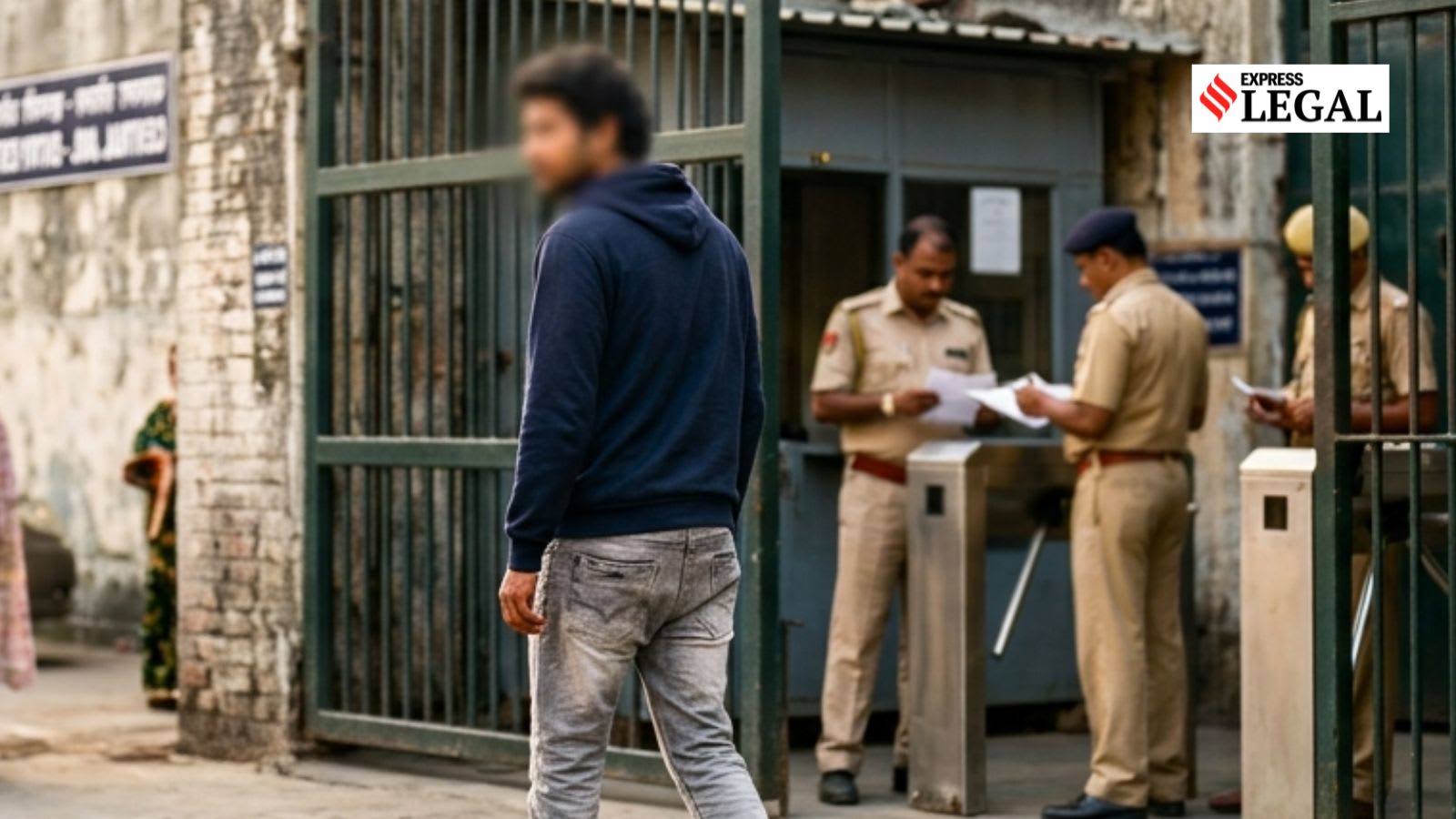
The Bombay High Court granted bail to a 25-year-old murder accused after five years of pre-trial detention. The court emphasized that prolonged incarceration of youth can hinder rehabilitation and lead to further criminalization.
The Bombay High Court’s Landmark Stance on Youth Incarceration
In a significant judicial observation, the Bombay High Court has granted bail to a 25-year-old individual accused of murder who had been languishing in custody for over five years while awaiting trial. Justice Milind J. Jadhav, while presiding over the bail application, highlighted the profound risks associated with keeping young offenders in prolonged pre-trial detention, noting that the prison environment often acts as a catalyst for criminalization rather than reformation.
The Perils of Prolonged Pre-Trial Detention
The core of the court's argument lies in the recognition that incarceration inflicts disproportionate harm on the youth. When a young person is subjected to the environment of a prison for an extended period—in this case, five years—the potential for rehabilitation is severely compromised. The court explicitly noted that prison life can effectively turn a young accused into a hardened criminal, a phenomenon that undermines the fundamental objectives of the Indian criminal justice system, which seeks to balance punishment with the possibility of societal reintegration.
Prioritizing Reform Over Retribution
Justice Jadhav’s observations reflect a progressive shift toward a reformative approach in judicial decision-making. By stating that every reasonable opportunity should be explored to help the accused reform and reintegrate, the Court is signaling that the justice system must prioritize the long-term social impact of incarceration. For a 25-year-old, five years of confinement represents a critical developmental period; the court's intervention acknowledges that preventing the total alienation of such individuals from society is a matter of public interest.
Addressing Systemic Delays
The case serves as a poignant reminder of the systemic issue of trial delays within the Indian judiciary. With the accused having spent half a decade in custody without a verdict, the court’s decision underscores the human cost of a sluggish legal process. When the duration of pre-trial custody becomes excessive, the judiciary must step in to ensure that the fundamental right to a speedy trial and the principles of personal liberty are not rendered moot by administrative bottlenecks.
Future Implications for Judicial Policy
This ruling may set a crucial precedent for future bail hearings involving young, first-time, or long-term pre-trial detainees. By explicitly linking the developmental needs of youth to the potential harms of prison, the Bombay High Court has provided a framework for lower courts to consider the 'reformative potential' of the accused as a valid ground for relief. This approach encourages a more nuanced application of bail laws, shifting the focus from the severity of the crime alone to the broader context of the individual's future within society.
Conclusion
Ultimately, the Bombay High Court’s decision is a balanced intervention that respects the gravity of the charges while acknowledging the limitations and risks of the current prison system. By granting bail, the court has prioritized the possibility of rehabilitation, suggesting that the state's role should be to foster potential for change rather than merely ensuring confinement during lengthy trial processes.