CJP campaign ‘sparks’ razing of buffalo-shed school in Jaipur
Source Entity
SUPARNA ROY
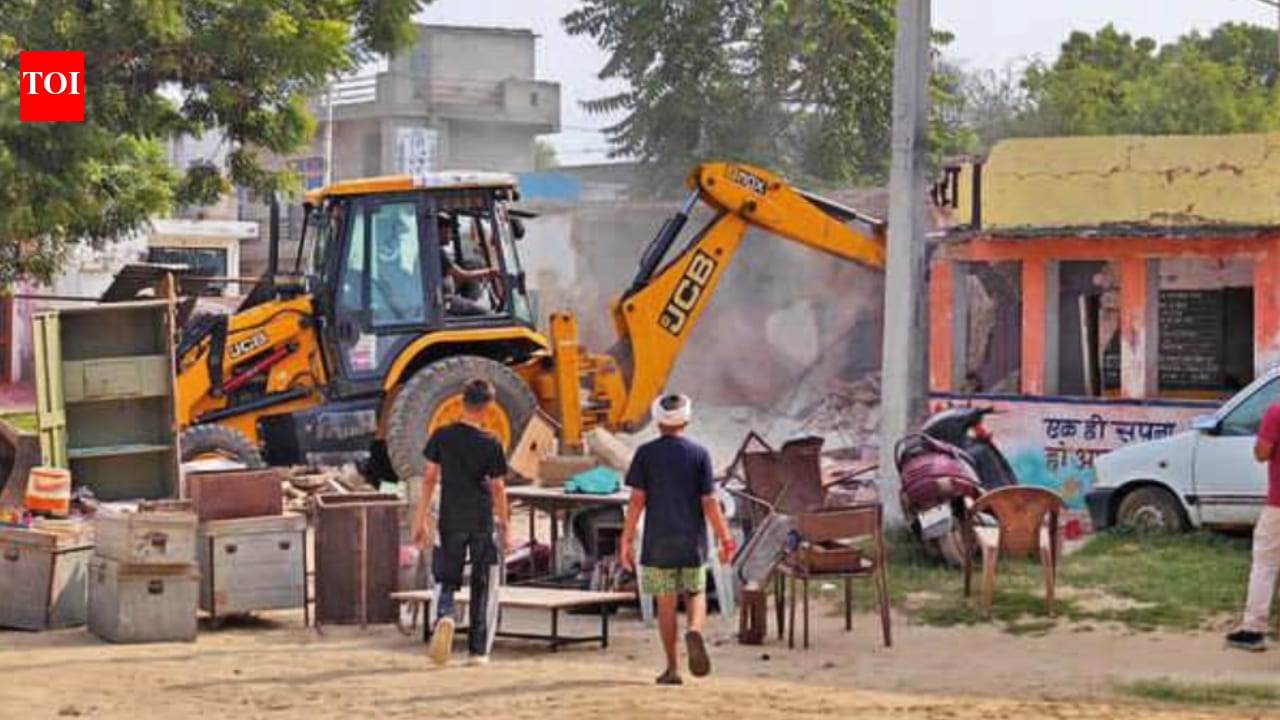
A dilapidated school in Rajasthan, previously operating from a buffalo shed, has been demolished for reconstruction following a high-profile inspection campaign. Simultaneously, the Supreme Court has declined to challenge state bans on activists and journalists entering school premises.
The Intersection of Infrastructure and Transparency in Rajasthan Schools
From Buffalo Sheds to Modern Classrooms
In a significant development for rural education, a dilapidated government primary school in Rampura Kanwarpura, near Jaipur, has been demolished to pave the way for a new, functional facility. For nearly a year, the 26 students enrolled in this school had been forced to attend classes within a makeshift buffalo shed after their previous building was deemed structurally unsafe. This transition marks a critical turning point for the village, moving from precarious, unsanitary conditions to a planned infrastructure project funded by the MLA Local Area Development Fund, with Rs 18 lakh sanctioned for the construction of a two-room building and a dedicated washroom.
The Catalyst: The 'School Thik Karo' Campaign
The demolition of the school follows the volatile 'School Thik Karo' (Fix the School) campaign, an initiative led by the Cockroach Janta Party (CJP) aimed at auditing and improving neglected government school infrastructure. The urgency of this project was underscored by an incident on August 21, where an inspection team associated with the campaign faced an attack while assessing the site. This confrontation brought national attention to the crumbling state of rural educational facilities and likely acted as a catalyst for local authorities to accelerate the sanctioning of funds—Rs 12 lakh on August 15, followed by an additional Rs 6 lakh—to replace the hazardous structure.
Legal Challenges and Regulatory Curbs
The broader context of this event is complicated by a concurrent legal battle regarding the presence of outsiders in educational spaces. Following the launch of the 'School Thik Karo' campaign, the governments of Rajasthan and Uttar Pradesh issued restrictive orders barring journalists, social media influencers, and civil rights activists from entering, filming, or interviewing within government school premises. These administrative barriers were challenged in the Supreme Court by petitioner Priya Mishra, who sought to overturn the restrictions under Article 32 of the Constitution.
Judicial Stance on School Access
On September 3, 2026, a Supreme Court Bench led by Justice P.S. Narasimha declined to intervene in the plea against these state-imposed curbs. By refusing to entertain the petition, the Court has effectively allowed the state governments to maintain their control over access to school campuses. This decision highlights a growing tension between the state's desire to regulate school environments—citing security and the protection of student privacy—and the role of civil society and the media in holding the government accountable for the quality of public education.
Broader Implications for Educational Accountability
The situation in Rampura Kanwarpura serves as a microcosm of the challenges facing India's rural education system. While the demolition and reconstruction of the school represent a victory for local students, the restriction on outside observation complicates the ability of independent groups to verify if other schools are meeting the same standards. Moving forward, the trend suggests that while physical infrastructure may see improvements through government-led initiatives, the scope for external oversight is narrowing, placing a heavier burden on official channels to ensure the quality and safety of state-run institutions.