‘Youthful error’: Bombay HC steps in to rescue student over Operation Sindoor post
Source Entity
Omkar Gokhale
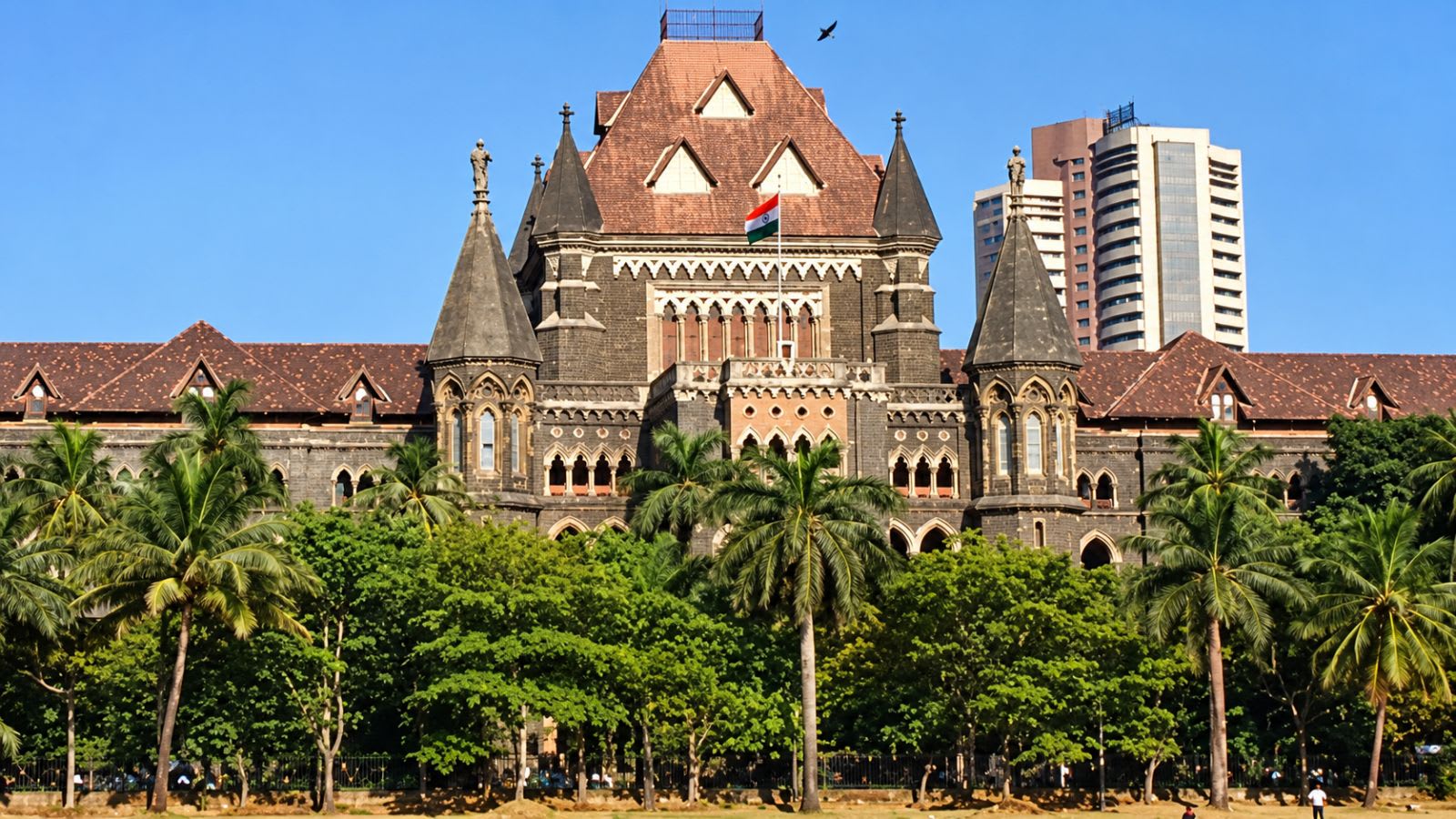
The Bombay High Court has quashed an FIR against a 20-year-old engineering student for a social media post regarding Operation Sindoor. Justice Milind N. Jadhav ruled that the act was a youthful error of judgment and acknowledged the student's remorse and time already served in custody.
Judicial Relief for Pune Student in 'Operation Sindoor' Case
A Judicial Perspective on Youthful Indiscretion
On Tuesday, October 27, the Bombay High Court delivered a significant ruling by quashing an FIR against a 20-year-old engineering student from Pune. The case stemmed from a social media post shared last year concerning 'Operation Sindoor,' a military action initiated by India following the April 2025 Pahalgam terror attack. Justice Milind N. Jadhav, presiding over the single-judge bench, emphasized that a "youthful error of judgment" must be distinguished from a "deliberate criminal act," setting a precedent for how the judiciary approaches digital expression among young adults.
The Nature of the Offense and Digital Responsibility
The court’s analysis focused on the limited scope of the student's involvement. The student, who was arrested on May 9, 2025, had merely reposted an existing Instagram post and subsequently deleted it within two hours. Justice Jadhav acknowledged that while the content of the post was "undoubtedly contentious" and capable of "arousing passion and hatred," the specific role of the applicant was confined to the act of re-sharing rather than original creation. This distinction highlights the complexities of modern digital liability, where the viral nature of content often obscures the original intent of the user.
Impact of Custody and Academic Consequences
The legal proceedings have had a profound impact on the student's life. Beyond the criminal charges, she faced administrative repercussions, including rustication from the Sinhgad Academy of Engineering in Pune. The court took note of the fact that she had already suffered the indignity of custody, with Justice Jadhav remarking that such an experience for a young student creates a "scar which cannot be erased easily." This observation underscores the court’s commitment to balancing the enforcement of law with the potential for rehabilitation and the long-term consequences of criminalization on young lives.
Absence of Sufficient Factual Foundation
A core tenet of the High Court's decision was the prosecution’s inability to provide a "sufficient factual foundation" to sustain the criminal case. By observing that the student’s actions were an isolated incident followed by voluntary deletion and clear expressions of remorse, the court signaled that the criminal justice system should not be a tool for punishing impulsive behavior that lacks the requisite criminal intent. This ruling serves as a reminder to law enforcement agencies regarding the burden of proof required to move forward with cases involving digital speech.
Broader Implications and Future Trends
This case serves as a critical junction between national security sensitivities and individual freedom of expression. Given the rising tensions associated with geopolitical events like the India-Pakistan conflict, authorities are increasingly vigilant regarding social media content. However, the Bombay High Court's decision suggests a judicial trend toward leniency for first-time offenders and students who exhibit remorse. Moving forward, this ruling may influence how educational institutions and law enforcement interact with students, potentially encouraging a more restorative approach rather than an immediate resort to punitive measures like incarceration and expulsion.