Bombay High Court stays Shiv Sena corporator’s bail in doctor assault case, orders surrender
Source Entity
Omkar Gokhale
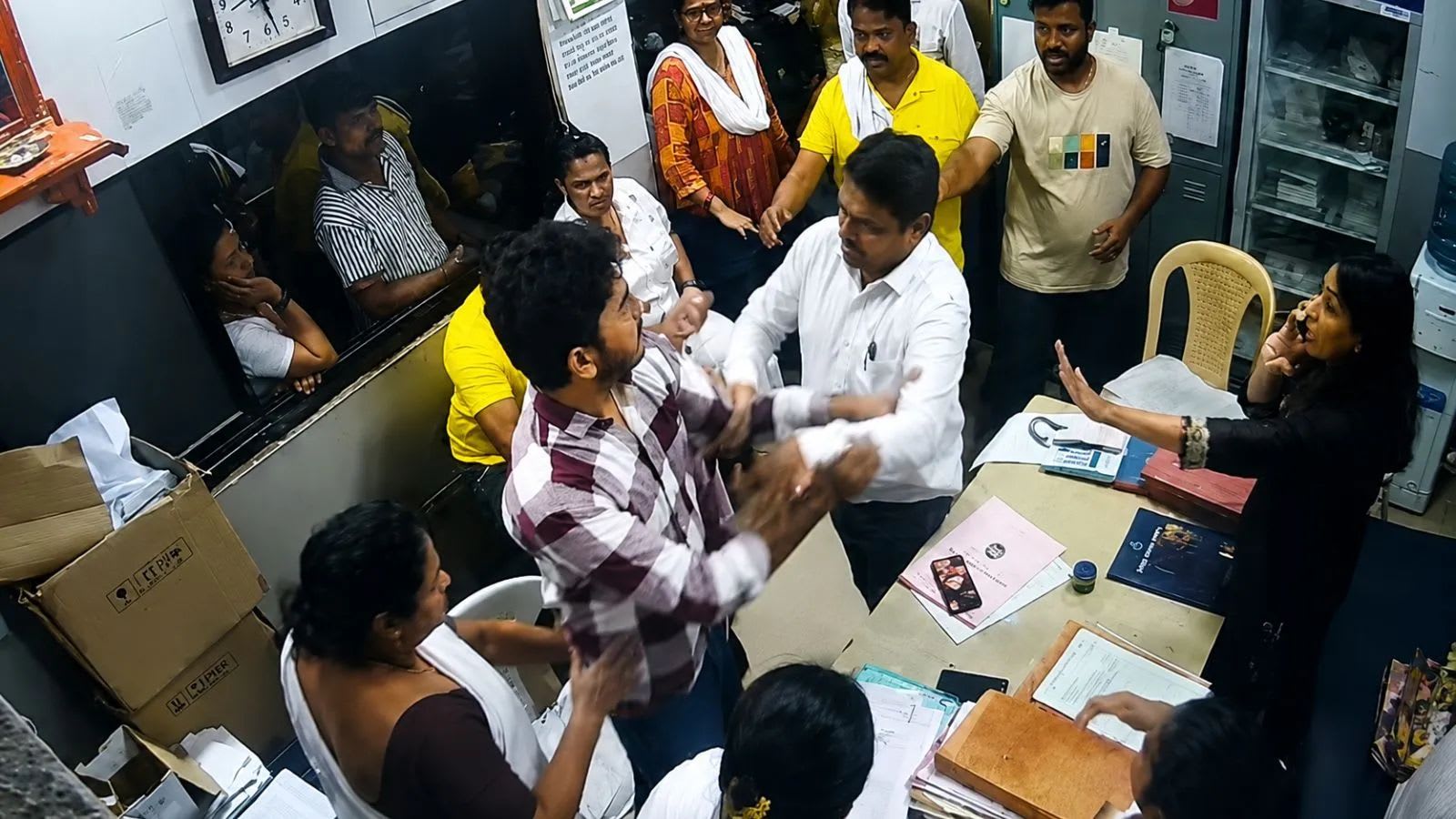
The Bombay High Court has stayed the bail granted to Shiv Sena corporator Ramesh Sukrya Mhatre following a violent assault on medical professionals. The court ordered his surrender and authorized property attachment if he fails to comply with the directive.
Judicial Intervention in Medical Professional Safety
The Bombay High Court’s decision to intervene in the case of Shiv Sena corporator Ramesh Sukrya Mhatre marks a significant moment for the protection of healthcare workers in Maharashtra. By taking suo motu cognizance of reports detailing an assault on a woman doctor and two male colleagues on July 6, the bench led by Acting Chief Justice Ravindra V. Ghuge has signaled a zero-tolerance policy toward violence against medical personnel.
The Legal Reversal
Initially, the Kalyan Court had granted bail to Mhatre and his co-accused. However, the High Court’s special Saturday sitting resulted in an immediate stay of these orders. This intervention suggests that the judiciary viewed the lower court’s decision as failing to adequately account for the severity of the alleged assault, necessitating a swift corrective action to uphold public safety and institutional integrity.
Accountability and Enforcement
Beyond merely staying the bail, the court issued a stern ultimatum: Mhatre must surrender to the Vishnu Nagar Police Station in Dombivli. The directive includes a coercive measure—authorizing authorities to attach his immovable properties should he fail to surrender or remain unreachable. This highlights the court's intent to ensure the judicial process cannot be evaded by those in positions of political influence.
Addressing the Culture of Impunity
The incident involving a public representative highlights a broader, recurring issue regarding the safety of medical staff in India. Healthcare workers are frequently vulnerable to physical aggression, and when the perpetrators are individuals with political or social standing, the sense of impunity can be profound. The High Court’s proactive stance serves as a check on this imbalance, emphasizing that no individual is above the law when it comes to violent offenses.
Broader Implications and Future Trends
This case sets a precedent for how the judiciary may handle future assaults on frontline workers. By elevating a local incident to a suo motu writ petition, the court has effectively signaled that violence against doctors is a matter of significant public interest. This trend of judicial activism could lead to stricter bail conditions and faster trial processes for similar cases in the future, potentially deterring future acts of aggression against healthcare professionals.
Conclusion
The Bombay High Court’s decisive action serves as both a legal correction and a strong deterrent. By ordering the surrender of the accused and threatening the attachment of property, the court has prioritized the safety of medical professionals over the political status of the accused. This development reinforces the necessity of protecting those who serve in the healthcare sector, ensuring that justice is administered without fear or favor.