Bombay High Court grants passport relief to Uganda-born senior citizen living in Goa
Source Entity
Richa Sahay
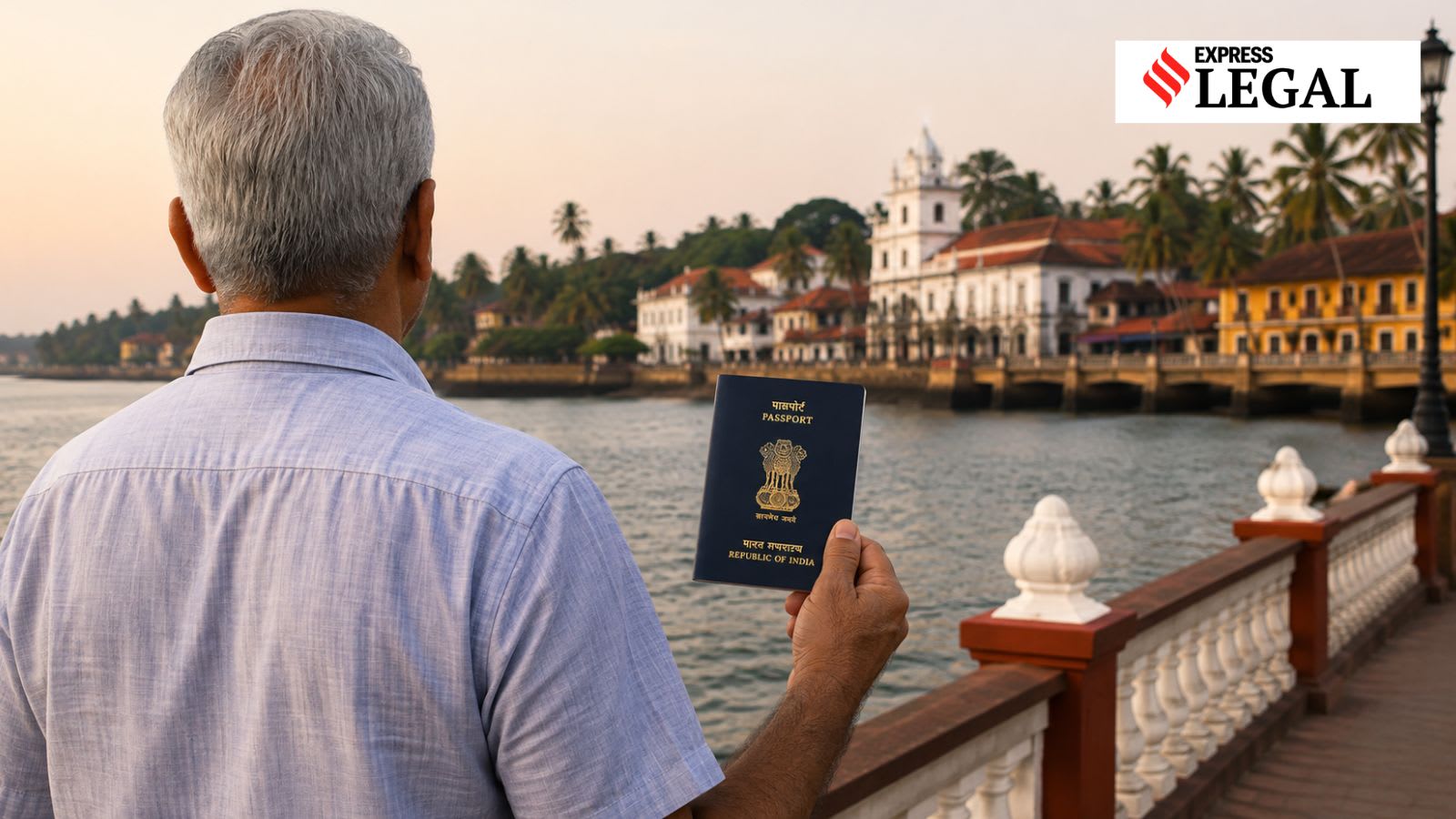
The Bombay High Court has ruled in favor of a 61-year-old Uganda-born man, overturning a passport refusal by affirming his Indian citizenship. The court based its decision on his mother's Goan roots and verified pre-1961 marriage records.
Legal Precedent: Bombay High Court Affirms Citizenship via Maternal Lineage
In a significant legal development, the Bombay High Court has intervened to resolve a citizenship dispute involving a 61-year-old man born in Uganda. The court, presided over by Justices Valmiki Menezes and Amit S. Jamsandekar, set aside a decision by the regional passport office that had previously denied the petitioner an Indian passport. This ruling underscores the judiciary's commitment to upholding citizenship rights for individuals connected to Goa’s unique historical transition.
The Role of Historical Documentation
The court’s decision hinged on the meticulous examination of historical records. Central to the case was the Goa marriage registration of the petitioner's parents, which provided definitive proof that his mother and grandparents were born in Goa prior to its liberation in 1961. By aligning these records with the petitioner's authenticated Ugandan birth certificate, the court established a clear chain of lineage that confirmed his status as an Indian citizen under the governing legal framework.
Overcoming Bureaucratic Hurdles
The case highlights the challenges faced by the Indian diaspora when navigating complex documentation requirements for passport issuance. The petitioner had initially faced a rejection in May 2025 because he could not immediately produce specific proof of his parents' birthplace. The court's intervention highlights that administrative authorities must adopt a more holistic view of evidence, especially when dealing with families whose histories span across international borders and pre-liberation colonial territories.
Implications for the Goan Diaspora
This judgment serves as a vital precedent for many individuals of Goan origin living abroad. Many families moved from Goa during the colonial era, and the subsequent integration of Goa into the Indian Union in 1961 created a specific set of criteria for citizenship. By validating the use of pre-liberation marriage records, the Bombay High Court has provided a roadmap for how ancestral documentation can effectively bridge the gap between historical identity and modern legal requirements.
Judicial Oversight in Administrative Affairs
Beyond the individual case, the ruling serves as a check on the Regional Passport Office's decision-making process. The court's willingness to review and overturn the May 2025 refusal order indicates a judicial preference for substantive justice over rigid, purely procedural administrative barriers. This ensures that the rights of citizens are protected against potential bureaucratic errors or an overly narrow interpretation of citizenship laws.
Concluding Summary
Ultimately, the Bombay High Court’s ruling reaffirms the rights of those with ancestral ties to India, even when birth occurs on foreign soil. By prioritizing verifiable genealogical evidence from Goa's pre-1961 era, the court has ensured that the petitioner's constitutional rights are upheld. This case stands as a reminder of the importance of maintaining accurate familial records and the critical role the judiciary plays in interpreting citizenship status for a globalized Indian citizenry.