Red alert in Delhi as heavy rain triggers waterlogging; Orange alert in Madhya Pradesh, UP
Source Entity
The Indian Express
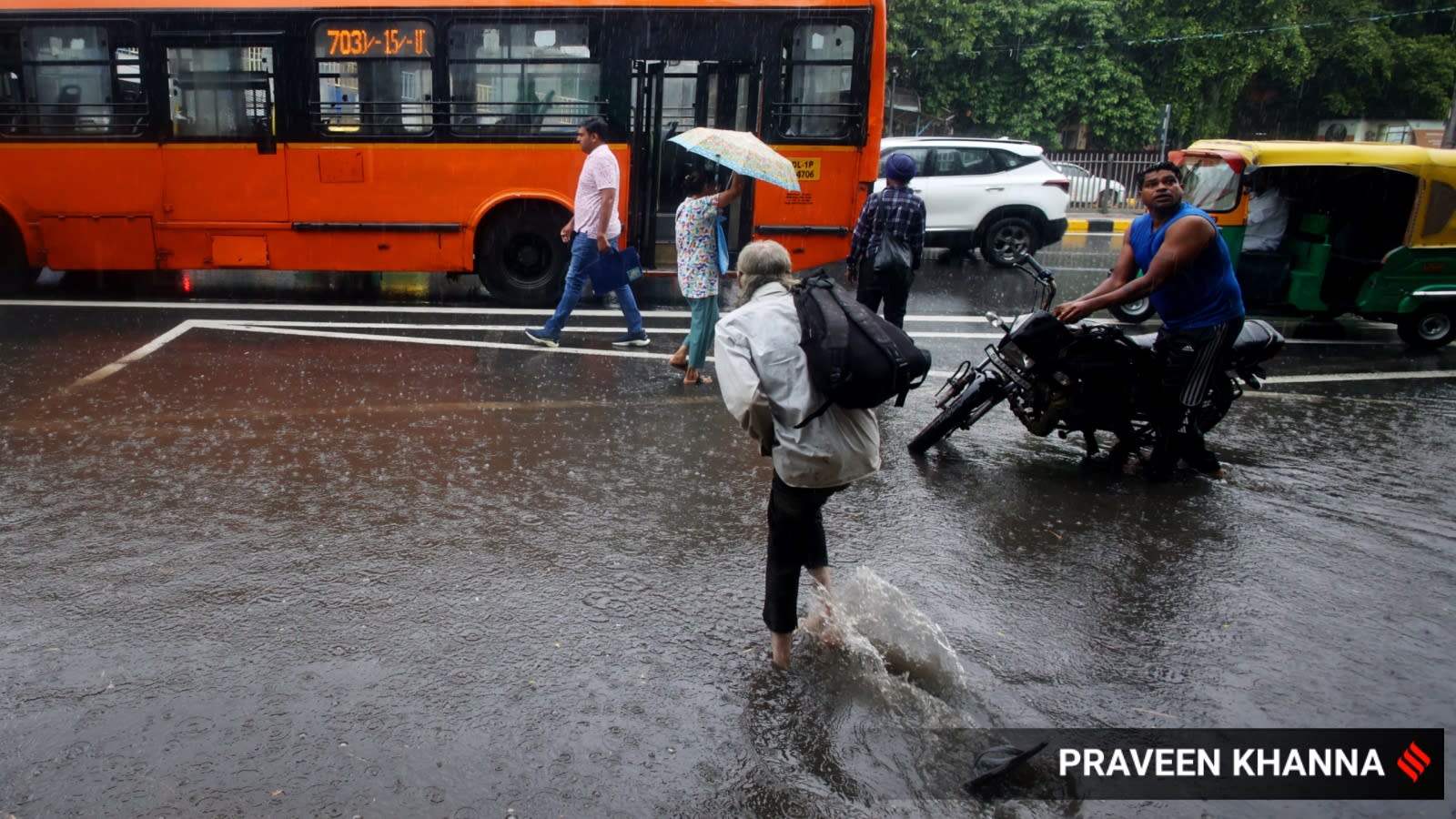
Severe waterlogging in Gurugram following heavy rainfall has disrupted daily life, leaving school buses stranded and prompting work-from-home advisories. Local entrepreneurs and residents are expressing growing frustration over the systemic failure of civic infrastructure and drainage systems.
The Infrastructure Crisis in Gurugram: A Systemic Failure
The recent deluge in Gurugram, which saw 75 mm of rainfall in a single day, has once again exposed the fragile state of the city's civic infrastructure. What should have been a routine monsoon event devolved into chaos, with waterlogged streets bringing the city to a standstill. The frustration is palpable, with local entrepreneurs like Dr. Shivin Chaudhary publicly mocking the situation as a "Venice experience," highlighting the disconnect between the taxes paid by residents and the deteriorating quality of public services.
The Human Cost: Stranded Students and Safety Hazards
Beyond the inconvenience to commuters, the situation reached a critical point when at least 12 school buses became trapped near Subhash Chowk. For over two hours, children and parents were forced to navigate knee-deep water, turning a standard school commute into a dangerous ordeal. The presence of loose electric wires on poles and in meters added a severe layer of risk, transforming routine waterlogging into a significant public safety hazard that threatens the well-being of the city’s most vulnerable residents.
Economic Implications and the 'Brain Drain' Sentiment
The inability of the city to manage basic drainage has sparked a broader conversation about the viability of Gurugram as a premier corporate hub. When business leaders suggest that such infrastructure failures push entrepreneurs to consider moving abroad, it signals a deeper erosion of confidence in local governance. The economic impact is further evidenced by the district administration's decision to issue work-from-home advisories for private offices, effectively halting business operations and highlighting the lack of resilience in the city's physical planning.
Drainage Deficiencies and Urban Planning
Despite repeated claims of drainage improvements, the recurring nature of these floods suggests that current mitigation strategies are insufficient. Residents from areas like Sector 47 report wading through water for significant periods just to complete short distances, proving that the "smart city" ambition is being undermined by archaic or poorly maintained drainage networks. As the rain persists, the inability of arterial roads to clear water remains the primary driver of the gridlocks that paralyze the city.
Regional Impact: A Shared Struggle
The challenges faced by Gurugram are not isolated, as neighboring regions like Noida and Ghaziabad have reported similar issues with waterlogging and traffic congestion. This suggests a systemic failure across the National Capital Region (NCR) to adapt to shifting climate patterns and intensified rainfall. Without a fundamental shift in how urban planning is executed, the cycle of seasonal flooding will likely continue to disrupt the lives of millions, forcing a reevaluation of the quality of life in these rapidly expanding urban centers.
Multiple Citing Sources