Brazil, South Korea Accelerate Mercosur Trade Deal Talks | Lula Announces Working Group
Source Entity
Latest News: Todays Latest News Headlines from India & World | Hindustan Times | Hindustan Times
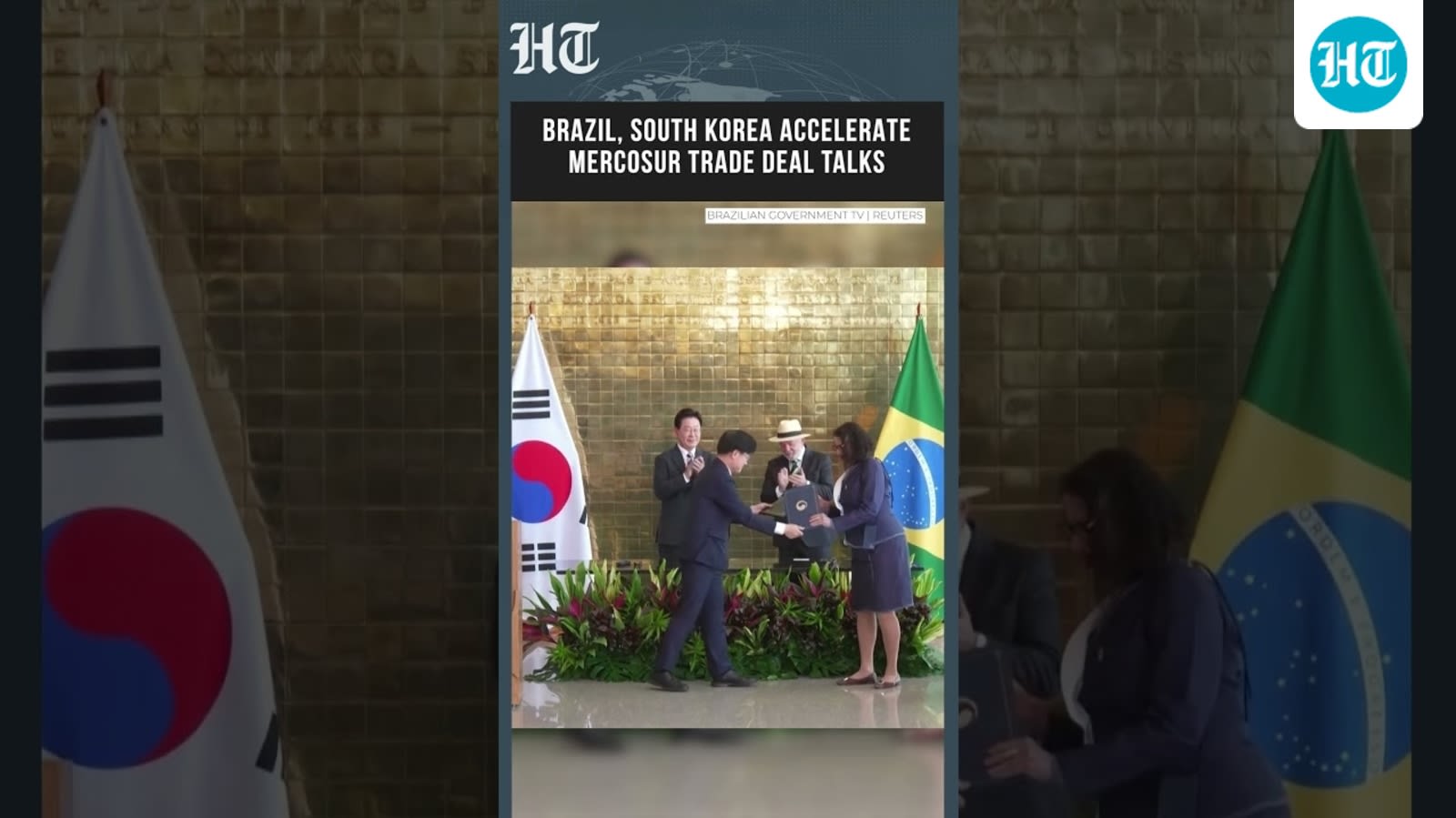
Brazil and South Korea have launched a joint working group to fast-track a trade agreement between South Korea and the Mercosur bloc. President Lula da Silva emphasized this move as a strategic effort to bolster economic ties and navigate changing global market dynamics.
Strengthening Ties: Brazil and South Korea Pivot to Trade
In a strategic maneuver to diversify trade partnerships, Brazil and South Korea have officially agreed to accelerate negotiations regarding a comprehensive trade agreement with the Mercosur bloc. By establishing a dedicated joint working group, both nations aim to dismantle existing barriers and foster a more integrated economic relationship. This development signals a significant shift in South American trade policy, as Brazil seeks to leverage its position within the bloc to secure long-term industrial and technological partnerships.
The Strategic Role of Mercosur
Mercosur, consisting of Brazil, Argentina, Paraguay, and Uruguay, has historically sought to expand its reach beyond regional borders. By engaging South Korea—a global leader in high-tech manufacturing, automotive production, and semiconductors—the bloc stands to benefit from increased foreign direct investment and technology transfers. For Brazil, this is not merely an economic exercise but a calculated effort to modernize its industrial base by aligning with a nation that has successfully transitioned into a global innovation powerhouse.
Navigating Shifting Global Markets
President Luiz Inácio Lula da Silva’s administration has consistently emphasized the need for Brazil to act as a bridge in the global economy. Amidst ongoing geopolitical tensions and the fragmentation of traditional supply chains, the decision to prioritize the South Korea-Mercosur deal is a direct response to these shifting global market dynamics. By diversifying its trade portfolio, Brazil reduces its over-reliance on traditional economic partners and builds a more resilient framework capable of withstanding external volatility.
Economic Implications for South Korea
For South Korea, the agreement represents an entry point into the lucrative South American market. As the Korean economy continues to search for new avenues for export growth, the Mercosur region offers a massive consumer base and vast natural resources. A formal trade deal would likely lower tariffs on Korean electronics and automobiles, while providing Brazilian agricultural and raw material exporters with more predictable access to the Korean market.
Future Trends and Outlook
The creation of a joint working group suggests that both governments are moving beyond rhetorical support toward tangible policy implementation. If the negotiations maintain this momentum, we can expect a gradual reduction in trade friction, which could set a precedent for future bilateral agreements between Mercosur and other Asian economies. The success of this working group will likely be measured by its ability to resolve long-standing sector-specific disputes and harmonize regulatory standards between the two regions.
Conclusion
Ultimately, the acceleration of these talks marks a pivotal moment for Brazil’s international trade strategy. By proactively engaging with South Korea, the Lula administration is positioning the country to play a central role in the evolving global trade landscape. As the joint working group begins its deliberations, the international community will be watching closely to see how these two distinct economic powerhouses harmonize their interests to drive future prosperity.
Verification Required?