SpaceX has now lost the equivalent of a full Tesla in market capitalization
Source Entity
US Top News and Analysis
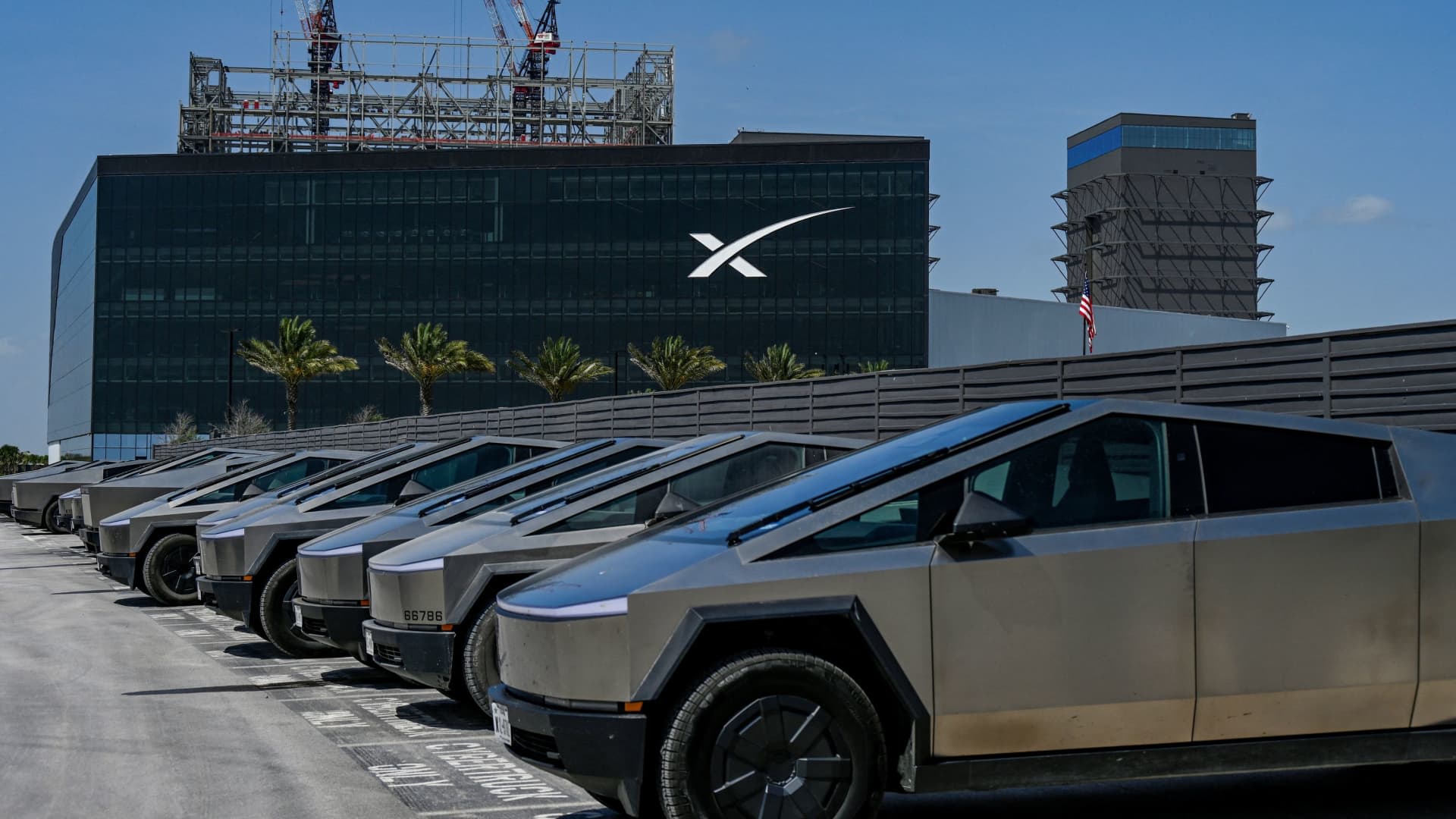
SpaceX and Tesla have faced a combined market capitalization loss of over $1.2 trillion during July 2026. This significant decline has impacted the broader market, even as other major tech companies like Apple show resilience.
The Unprecedented Market Contraction of Musk-Led Ventures
In a dramatic mid-year shift for global financial markets, Elon Musk’s primary corporate pillars, SpaceX and Tesla, have experienced a staggering erosion of shareholder value. As of late July 2026, the two companies have collectively shed more than $1.2 trillion in market capitalization. This downturn, characterized by a rapid descent from previous highs, highlights the intense volatility currently gripping the high-growth technology sector.
The Mechanics of the SpaceX Downturn
SpaceX, which saw its share price reach a peak of $225.64 in June, has witnessed a brutal correction. By late July, the stock had fallen to $113.50, marking a decline in 13 of the last 16 trading sessions. The sheer scale of this loss—erasing nearly $800 billion in market value in less than a month—places the company in a precarious position. The market sentiment remains fractured, with a notable uptick in put options volume, suggesting that investors are bracing for further instability while small-scale speculators attempt to bet on a rapid, albeit unlikely, recovery.
Tesla and the Broader Tech Landscape
Tesla has mirrored this downward trajectory, losing over $400 billion in market value as its shares flirt with one-year lows. The visual juxtaposition of Tesla Cybertrucks at SpaceX’s Starbase facility serves as a symbolic reminder of the interconnected nature of Musk’s business empire. While these two entities struggle, the broader market dynamics are defined by a divergence among the 'trillion-dollar club.' While Alphabet has also shed over $300 billion, the collective damage is being partially offset by the performance of companies like Microsoft and Apple.
Market Divergence and Investor Psychology
Apple, in particular, is experiencing its strongest month in four years, acting as a stabilizing force against the volatility generated by Musk’s companies. This stark contrast illustrates a shifting investor focus, where capital is rotating away from high-beta, speculative growth stocks toward more established, cash-rich tech giants. The market's ability to absorb nearly $600 billion in net losses among the top ten companies suggests a resilient, albeit cautious, investor base.
Future Implications and Outlook
Looking ahead, the recovery of SpaceX and Tesla will likely depend on institutional confidence and potential shifts in macroeconomic sentiment. The reliance of small-scale speculators on 'fat-chance' calls indicates that retail sentiment remains stubbornly bullish, yet the institutional flow of puts indicates a professional consensus that the bottom may not yet be in sight. As we move into the second half of 2026, the performance of these companies will remain a primary bellwether for the health of the broader technology sector and the sustainability of high-growth valuations.
Multiple Citing Sources