Samsung absorbs EMI interest on phones to ease buyer burden: JB Park
Source Entity
Anuj Bhatia
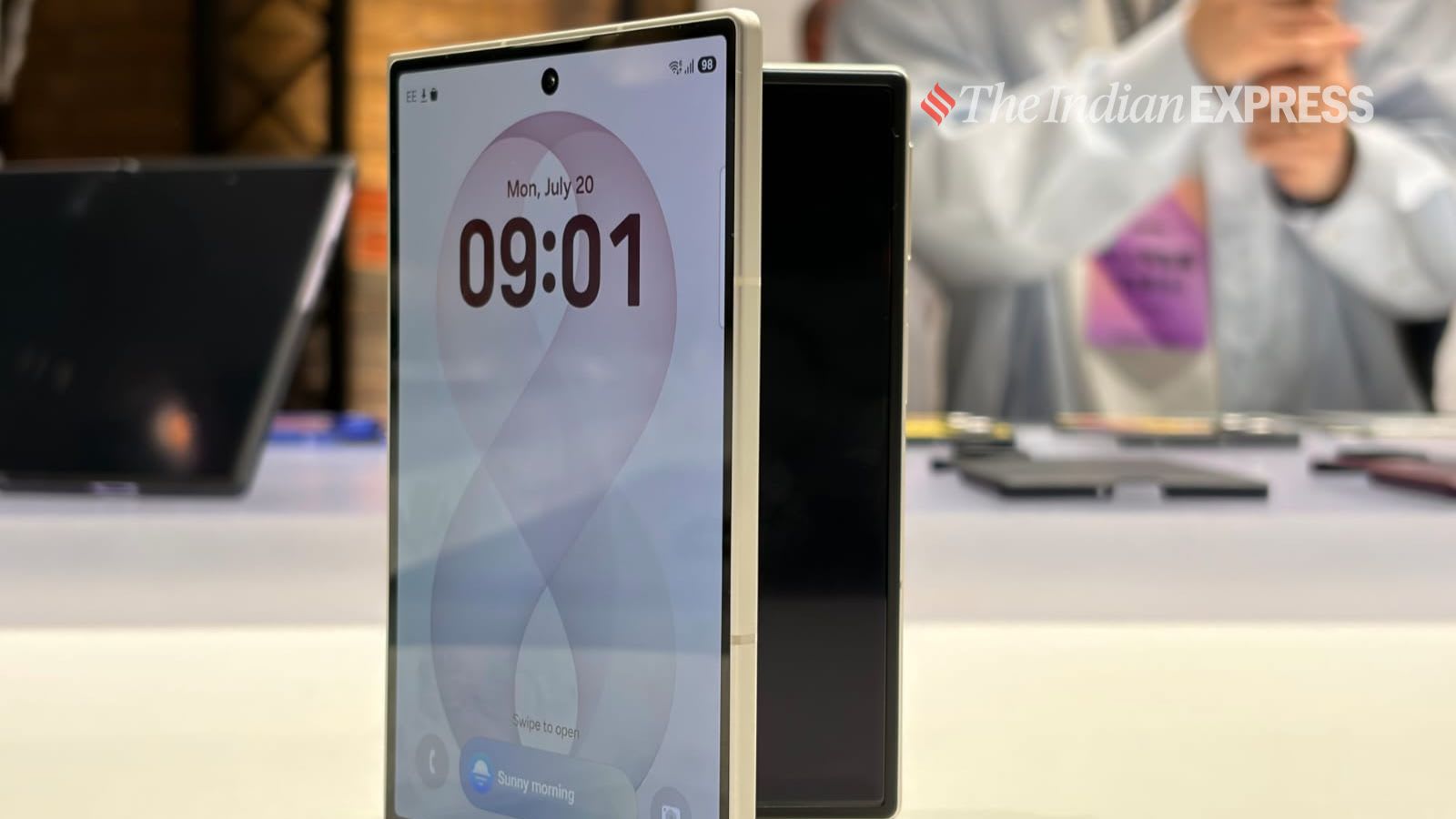
Samsung is absorbing interest costs on EMI financing for its flagship smartphones in India to support consumers facing rising living costs. This strategic move aims to mitigate the lack of operator-led device subsidies common in Western markets.
Strategic Financial Intervention in the Indian Smartphone Market
Samsung’s recent decision to absorb interest costs on Equated Monthly Installments (EMI) for its flagship smartphones represents a significant shift in consumer financing strategies within the Indian market. As noted by J.B. Park, President and CEO of Samsung Southwest Asia, this move is a direct response to the economic pressures currently faced by Indian consumers, including rising living costs and inflationary trends. By decoupling the interest component from the total device cost, Samsung is effectively lowering the barrier to entry for its premium hardware, ensuring that its latest technology remains accessible despite a challenging macroeconomic environment.
The Structural Differences: India vs. Global Markets
To understand the gravity of this decision, one must look at the structural differences between the Indian mobile ecosystem and those of the US or Europe. In Western markets, smartphone adoption is heavily subsidized by telecommunications carriers, where the cost of the hardware is bundled into long-term monthly voice and data subscription plans. This model obscures the true cost of the device for the consumer. Conversely, India functions as an 'open market' where consumers generally purchase handsets independently of their service providers, making interest costs on financing a prominent and often prohibitive factor in the final purchase price.
Mitigating Economic Headwinds
Samsung’s intervention is specifically designed to alleviate the 'pinch' of an uneven economy. When interest rates are high, the cost of borrowing for consumer durables often discourages potential buyers from upgrading to premium devices. By bearing the interest component, Samsung is essentially offering a price discount that doesn't explicitly lower the retail price of the phone, thereby maintaining brand equity and perceived value while simultaneously boosting sales volume during periods of tightened consumer liquidity.
Competitive Advantage and Brand Loyalty
This strategy is not merely a philanthropic gesture; it is a calculated competitive move. In a highly price-sensitive market like India, the ability to offer zero-interest EMI financing serves as a powerful differentiator against rivals. By removing the financial friction associated with credit, Samsung is likely to see higher conversion rates for its Galaxy flagship series. This approach fosters long-term brand loyalty by allowing consumers to stay within the Samsung ecosystem, even when their personal purchasing power is under strain.
Future Trends in Consumer Financing
Looking ahead, this move may set a precedent for other premium electronics manufacturers operating in emerging markets. As hardware prices continue to rise due to advanced technology integration, the burden of financing will become an increasingly critical factor in the consumer decision-making process. We may see a broader industry trend where manufacturers take on more of the financial burden traditionally held by banks or non-banking financial companies (NBFCs) to maintain market share in regions where carrier subsidies are non-existent.
Conclusion
In summary, Samsung’s commitment to absorbing EMI interest costs is a multifaceted strategy that addresses the immediate economic realities of the Indian consumer while navigating the unique challenges of the local retail landscape. By aligning its financial model with the specific needs of the Indian market, Samsung is successfully positioning itself to maintain its premium market position while providing tangible relief to its customer base.