Ministry pushing RBI to open licences for more urban cooperative banks: Secretary Ashish Kumar Bhutani
Source Entity
Harikishan Sharma
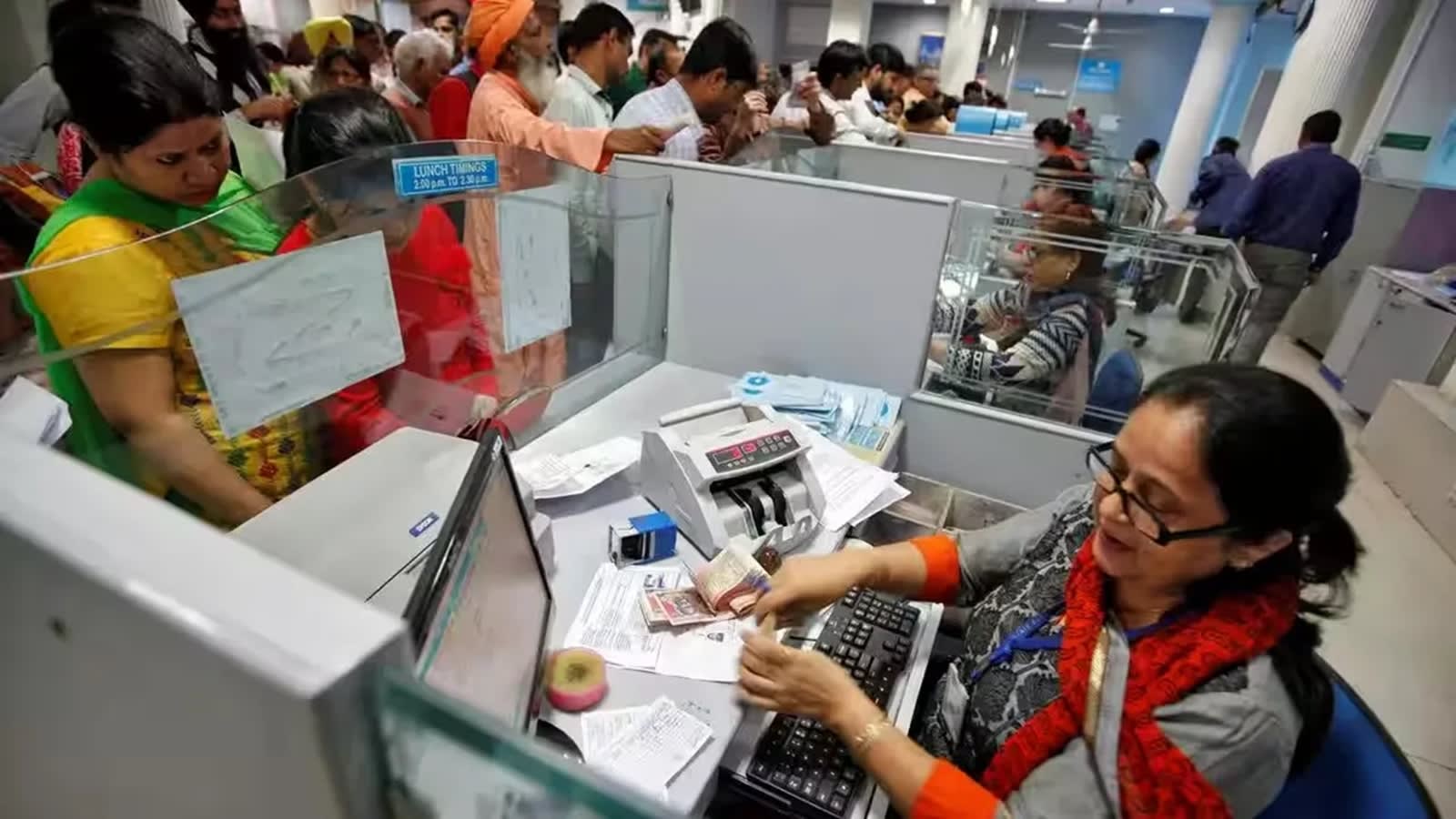
The Ministry of Cooperation is urging the RBI to expand licensing for urban cooperative banks to address geographic imbalances. Currently, the vast majority of India's 1,450 UCBs are concentrated in just three states.
Expanding Financial Inclusion Through Urban Cooperative Banks
The Ministry of Cooperation has officially initiated a push toward the Reserve Bank of India (RBI) to liberalize the licensing process for urban cooperative banks (UCBs). According to Cooperation Ministry Secretary Ashish Kumar Bhutani, the objective is to ensure that every town in India has access to the services provided by these financial institutions. This push represents a strategic effort to decentralize the cooperative banking model and integrate it more deeply into the national financial fabric.
The Geographic Concentration Problem
A primary driver for this policy push is the stark regional disparity in the distribution of existing UCBs. Current data reveals that out of 1,450 UCBs operating across the country, approximately 1,100 are clustered within just three states: Maharashtra, Gujarat, and Karnataka. This heavy concentration leaves the remainder of India’s vast geography underserved by the cooperative banking sector, creating a significant void in local financial services that the government now aims to fill.
Strategic Vision for Rural and Urban Integration
Satish K. Marathe, a director on the Central Board of the RBI, has corroborated the need for this expansion. He highlighted that hundreds of districts across India currently lack any UCB presence. By advocating for new licenses, the Ministry aims to create a more balanced financial ecosystem where cooperative banks act as pillars of community-based lending and financial inclusion, particularly in tier-two and tier-three towns that have historically been overlooked.
Regulatory Considerations and Future Trends
While the Ministry of Cooperation is championing this expansion, the final authority rests with the RBI, which maintains rigorous regulatory standards for banking licenses. Any move to increase the number of UCBs will likely involve balancing the Ministry's goal of rapid expansion with the RBI’s mandate for prudent financial oversight and stability. If successful, this initiative could lead to a significant shift in the competitive landscape of Indian retail banking.
Long-Term Implications for Local Economies
The broader implication of this initiative is the potential for increased credit availability at the grassroots level. UCBs have historically played a vital role in financing small businesses and local entrepreneurs who may find it difficult to navigate the requirements of larger commercial banks. By expanding the footprint of these banks, the government hopes to stimulate local economic growth and foster a more inclusive financial environment that aligns with national development goals.