BRICS Forum joint declaration condemns Pahalgam terror attack, seeks UNSC reforms
Source Entity
The Indian Express
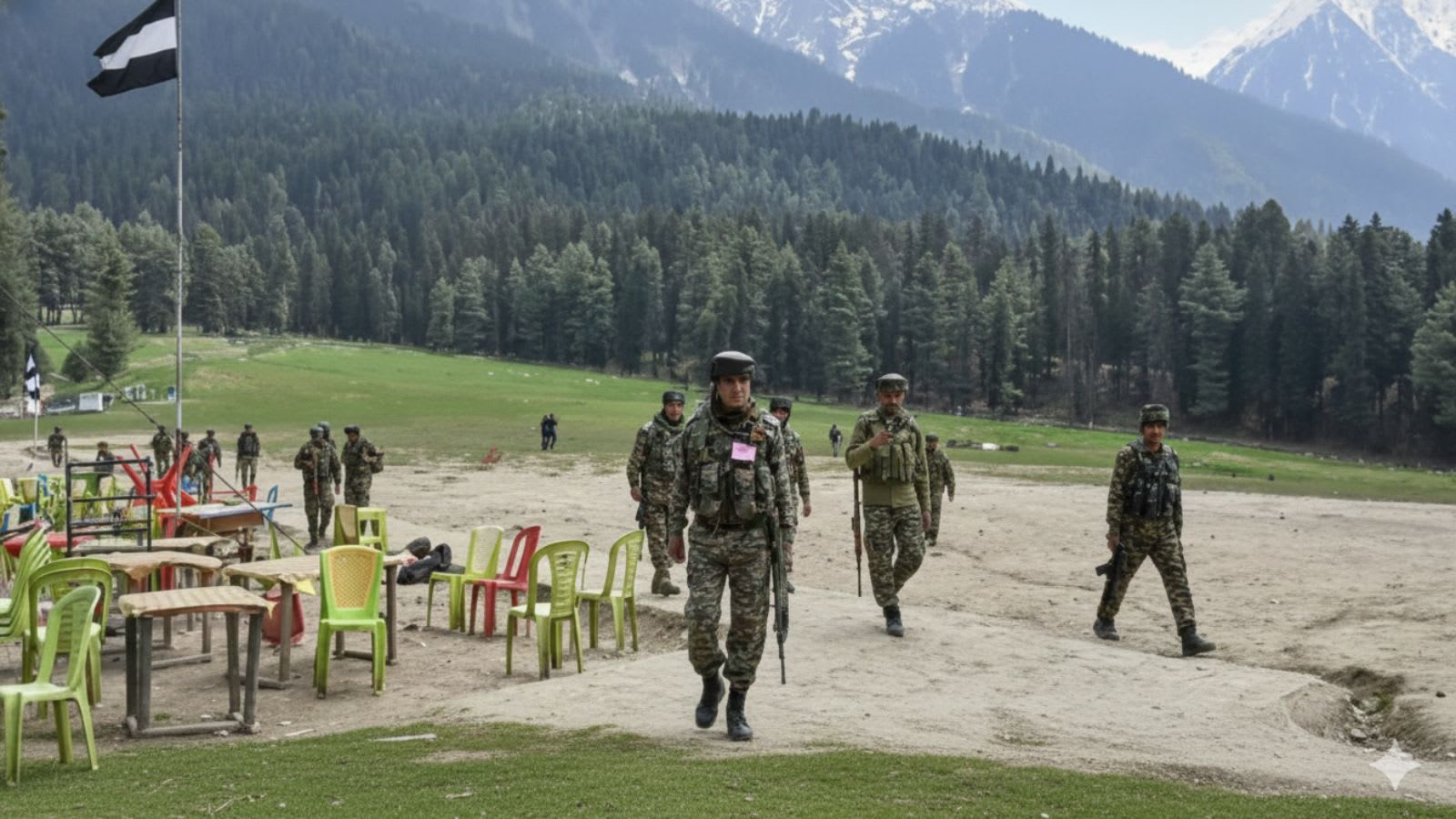
The 12th BRICS Parliamentary Forum concluded with a joint declaration condemning the Pahalgam terror attack and advocating for a two-state solution in West Asia. Member nations also called for urgent United Nations Security Council reforms and criticized the use of unilateral economic sanctions.
BRICS Parliamentary Forum: Addressing Global Security and Geopolitical Reform
The 12th BRICS Parliamentary Forum, hosted under the leadership of Lok Sabha Speaker Om Birla, recently concluded with a significant joint declaration that underscores the bloc’s growing influence in shaping international discourse. Bringing together representatives from Brazil, China, Egypt, Ethiopia, India, Indonesia, Iran, Russia, South Africa, and the United Arab Emirates, the forum served as a platform to address pressing geopolitical crises and the systemic need for international institutional reform.
Condemnation of Terrorism and the Pahalgam Attack
Central to the forum’s agenda was a unified stance against terrorism. The delegates issued a strong condemnation of the 2025 Pahalgam terror attack, framing such acts as criminal and unjustifiable regardless of motivation. This collective denunciation reinforces the BRICS commitment to combating the menace of terrorism in all its forms, signaling a shared resolve among these diverse nations to prioritize regional and global security against extremist threats.
West Asian Hostilities and the Two-State Solution
Beyond regional security, the forum expressed 'deep concern' regarding the escalating hostilities in West Asia. By explicitly advocating for a two-state solution to the Israel-Palestinian conflict, the BRICS nations have reaffirmed their commitment to the Palestinian right to self-determination and the establishment of an independent, sovereign state. The call for 'maximum restraint' serves as a diplomatic pivot aimed at de-escalating tensions that currently threaten to destabilize the broader Middle East.
Opposition to Unilateral Coercive Measures
A recurring theme in the joint declaration was the rejection of 'unilateral coercive measures' and economic sanctions. The forum argued that such actions are contrary to international law and impose severe negative implications on human rights, specifically citing the right to development, food security, and health. This stance reflects a broader BRICS agenda to challenge the use of economic statecraft as a tool for political leverage by individual powers.
Pushing for UN and Security Council Reform
Perhaps the most significant long-term implication of the forum is the unified call for comprehensive reforms of the United Nations, particularly the Security Council. By advocating for a more 'just and equitable' international order, the BRICS nations are signaling that the current structure of global governance—largely a post-WWII construct—is no longer representative of the modern geopolitical reality. The demand for reform suggests that BRICS intends to play a proactive role in reshaping global decision-making bodies.
Conclusion and Future Outlook
As the 12th BRICS Parliamentary Forum draws to a close, the adopted declaration acts as a roadmap for future multilateral engagement. By balancing security concerns like the Pahalgam attack with high-level calls for institutional reform, the bloc has demonstrated a capacity for consensus-building despite the diverse political systems of its members. Moving forward, the effectiveness of these resolutions will depend on how successfully these nations translate their parliamentary declarations into coordinated diplomatic actions on the global stage.
Multiple Citing Sources