Gucchi marmik, millet pulao, khumb galouti: What's on the Brics gala dinner menu
Source Entity
AADRITA HALDER
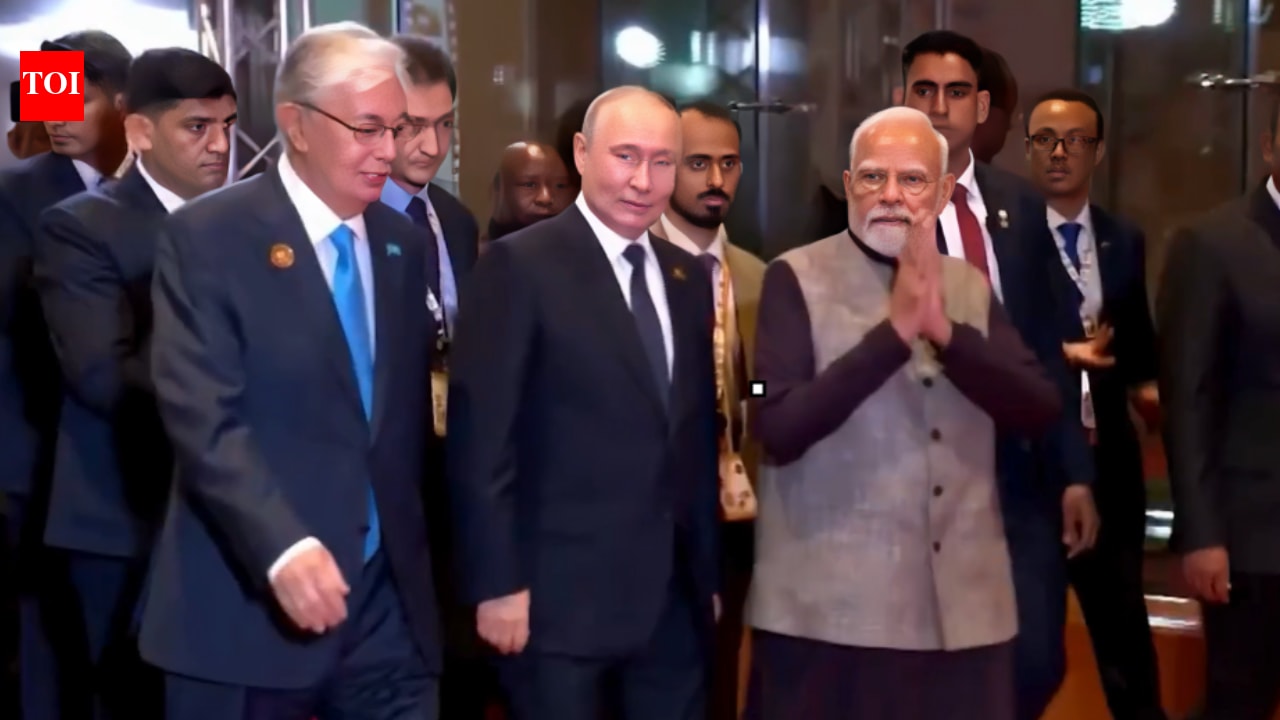
The BRICS Summit in New Delhi is showcasing India's cultural and culinary heritage through curated media kits and all-vegetarian regional menus. These initiatives highlight India's artisanal skills and diverse food traditions to international delegates.
Cultural Diplomacy at the BRICS Summit
As global leaders and media delegates descend upon New Delhi for the 18th BRICS Summit, India has utilized the platform to engage in a sophisticated form of cultural diplomacy. Beyond the high-stakes geopolitical negotiations occurring within the Bharat Mandapam, the Ministry of External Affairs has orchestrated a deliberate effort to showcase the nation's soft power through curated experiences that emphasize regional traditions and artisanal craftsmanship.
The Media Kit: A Tapestry of Indian Traditions
The welcome packages provided to international media delegates serve as a tactile introduction to India’s diverse geography. By including specific items such as sattu and makhana from Bihar, coffee sourced from the tribal hills of Odisha, and block-printed scarves from Gujarat, the government is highlighting the economic potential of local produce and traditional skills. This curation transforms a standard conference utility into a narrative tool, connecting global journalists with the specific regional identities that constitute the Indian mosaic.
Culinary Diplomacy: An All-Vegetarian Showcase
Parallel to the media kits, the summit’s catering strategy represents a significant culinary statement. By curating an exclusively vegetarian menu for the gala dinner and general sessions, the organizers are highlighting the depth of India's plant-based culinary history. Dishes such as Paneer Lababdar, Dum Aloo Banarasi, and Dal Panchmel serve as ambassadors of regional flavor profiles, while the inclusion of international staples like Penne al pomodoro e panna ensures a bridge between global palates and domestic traditions.
Strategic Integration of Millets
The inclusion of items like 'Subz Motia Pulav' and other millet-based dishes is particularly noteworthy. As India has been a vocal proponent of promoting millets as a sustainable 'super food' on the global stage, their presence at the BRICS Summit serves as an extension of national policy. This aligns with broader trends in global agriculture, where India seeks to position itself as a hub for climate-resilient and nutrient-dense food security solutions.
Soft Power and Future Implications
The 'BRICS Symphony' cultural performance and the thematic focus on regional flavors are indicative of how India intends to manage its image as a host nation. By focusing on the 'Bharat Mandapam' as a center for both diplomatic and cultural exchange, India is reinforcing its position as a bridge between the Global South and the rest of the world. This strategy suggests a long-term goal of fostering deeper international ties not just through trade agreements, but through shared cultural appreciation and sustainable development narratives.
Conclusion
In summary, the 18th BRICS Summit is characterized by a deliberate synthesis of governance and cultural pride. From the artisanal contents of the media kits to the carefully constructed vegetarian menus, these efforts provide a cohesive narrative of a modern India that honors its traditional roots. As the summit concludes, it is clear that these elements of soft power are designed to resonate with delegates long after they leave the national capital.