North Korea using foreign talent to help infiltrate US companies: Report
Source Entity
Cointelegraph by Michael Millard
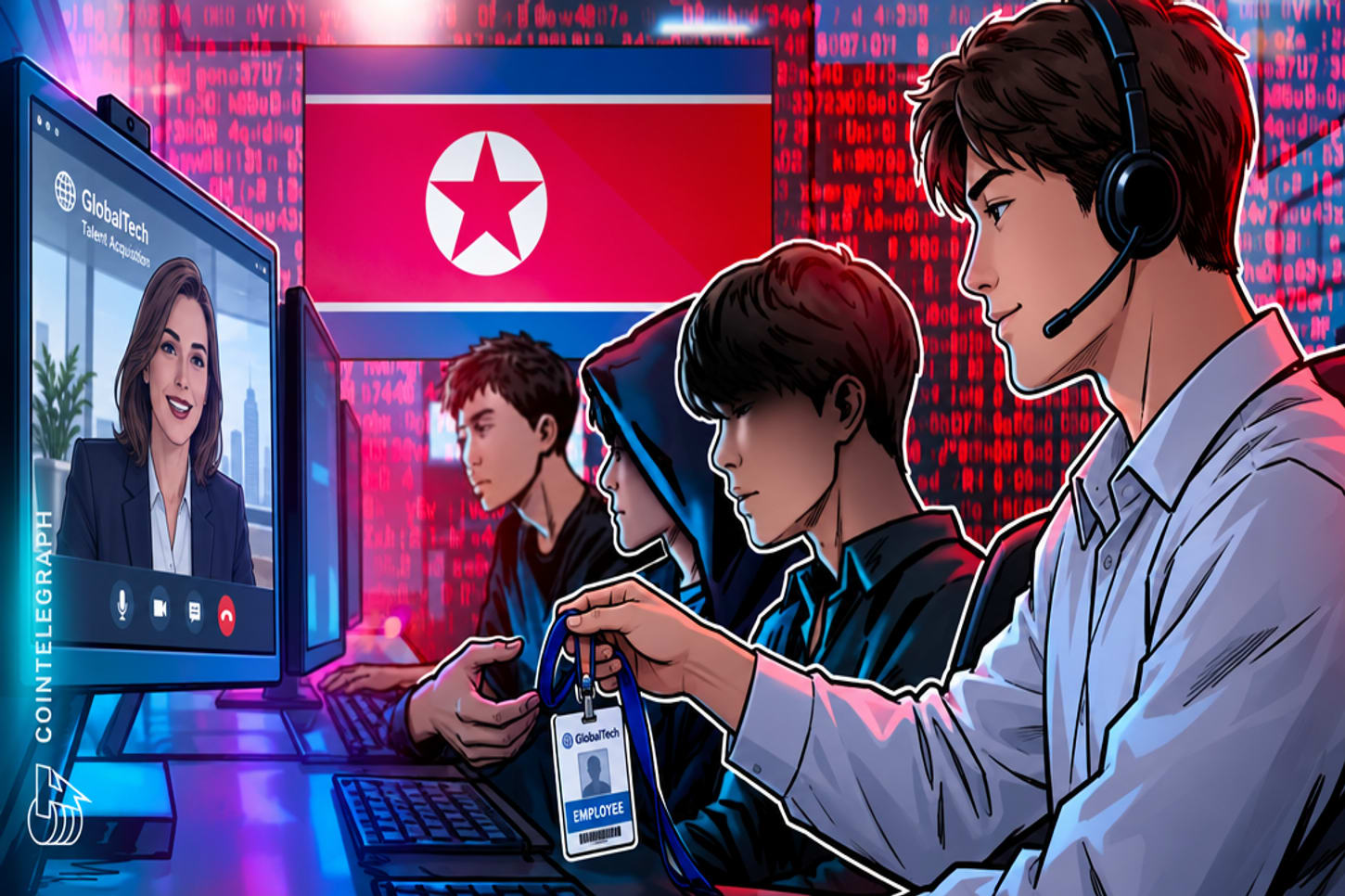
North Korea is increasingly using third-country IT workers to infiltrate US companies to fund its weapons programs. These operatives use fake credentials to secure remote positions, posing significant risks of data theft and illicit revenue generation.
The DPRK’s Cyber-Infiltration Strategy
The Democratic People’s Republic of Korea (DPRK) has reportedly adopted a sophisticated, deceptive strategy to bypass international sanctions and generate essential revenue for its state-sponsored weapons programs. By leveraging IT workers from third-party nations—specifically identified as including Iran and Lebanon—North Korean operatives are successfully infiltrating the remote workforce of United States companies. This operation involves using foreign talent to pass initial job interviews and vetting processes, only for the actual work and systems access to be handed over to North Korean state-affiliated personnel once the hiring phase is complete.
The Mechanics of Deception
This methodology represents a significant evolution in how the DPRK approaches cyber-enabled economic warfare. By masking their true identity and location through third-country intermediaries, these operatives exploit the global trend toward remote work. Once embedded within a company’s network, these individuals do not merely collect salaries; they act as persistent insider threats. The primary objective is to remit these earnings back to North Korean agencies, effectively turning unsuspecting Western corporations into unwitting financiers of the regime’s nuclear and ballistic missile ambitions.
Security Risks and Data Exfiltration
Beyond financial exploitation, the presence of these operatives within US corporate infrastructure poses a severe risk to data integrity. Intelligence reports and government alerts have confirmed that these individuals are actively involved in data exfiltration, cryptocurrency theft, and the systematic harvesting of sensitive corporate information. The ability of these operatives to gain legitimate credentials allows them to bypass traditional perimeter security, making them a particularly dangerous class of threat actor that standard firewalls often fail to detect.
Global Response and Regulatory Challenges
In response to this growing threat, the United States government, in coordination with various international agencies, issued a formal alert this past July. The advisory highlights the dual-threat nature of these workers: the direct economic support of the DPRK’s weapons programs and the potential for long-term espionage. As the US and its allies implement more rigorous verification protocols and background checks, the DPRK has been forced to adapt its tactics, leading to a cat-and-mouse game between Western cybersecurity teams and North Korean state agents.
Future Implications for Remote Work
This trend serves as a cautionary tale for the global corporate sector, particularly for firms that rely heavily on remote and decentralized IT staffing. The ease with which these operatives can manipulate the hiring process suggests that current identity verification and remote access management systems are insufficient. As companies continue to operate in a digital-first environment, the burden of proof regarding the identity and background of remote contractors will likely increase, potentially changing the landscape of global IT outsourcing forever.
Conclusion
The DPRK’s use of third-country IT workers is a calculated effort to circumvent global isolation. By turning remote labor into a tool for geopolitical subversion, North Korea has successfully weaponized the global digital economy. As these threats become more sophisticated, international cooperation and enhanced corporate due diligence will be the primary defenses in mitigating the risk of state-sponsored infiltration into the private sector.