Very tiring’: Bride walks 18 km in lehenga, appeals to Uttarakhand CM for road connectivity
Source Entity
The Indian Express
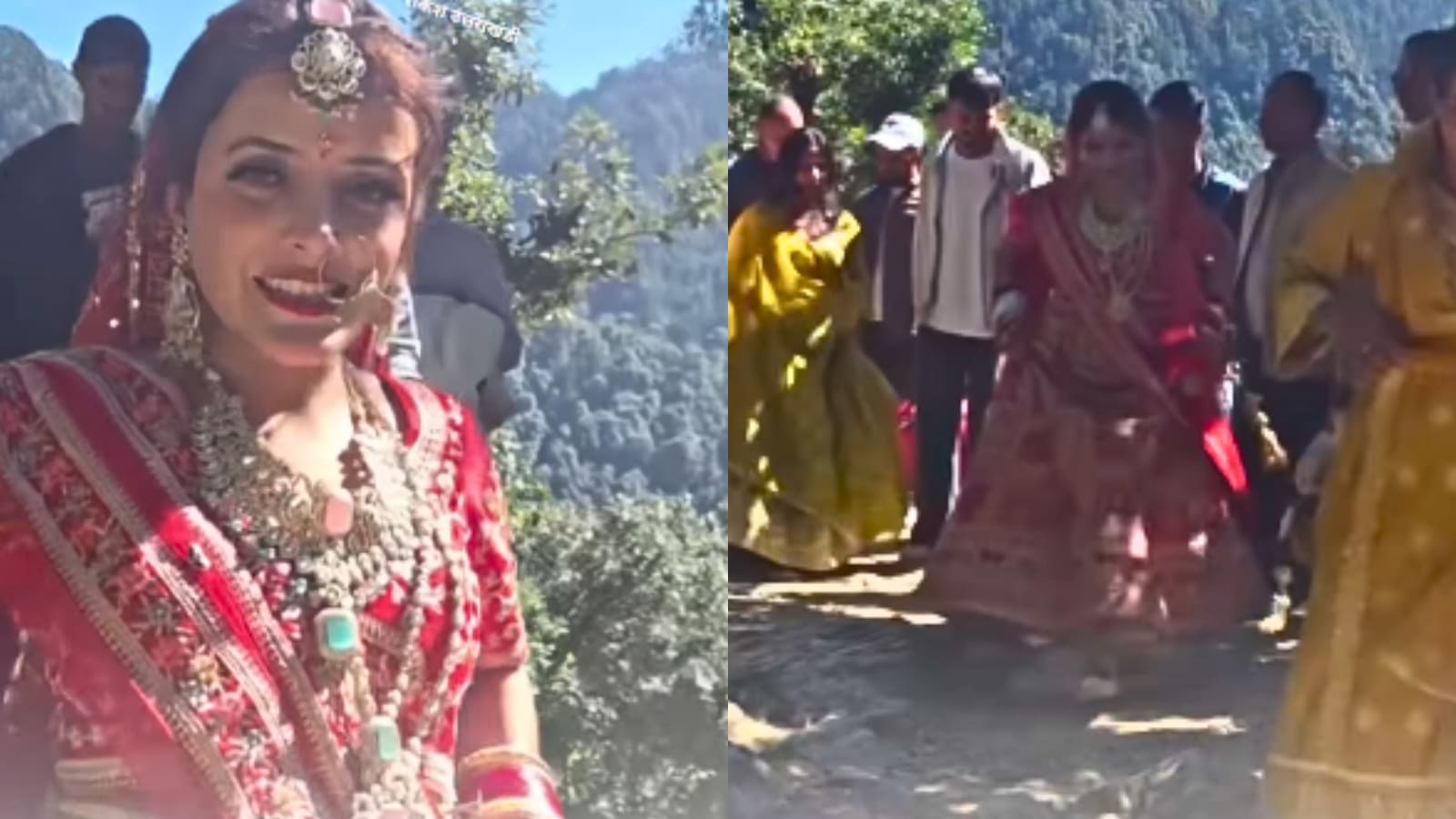
A bride in Uttarakhand went viral for trekking 18 kilometers in her wedding attire to reach her destination due to a lack of road access. She publicly appealed to the Chief Minister to prioritize infrastructure development in remote regions.
The Burden of Remote Connectivity: A Bride’s 18km Trek
A poignant video recently surfaced showing a bride in Uttarakhand undertaking an arduous 18-kilometer journey on foot while adorned in her heavy wedding lehenga. The footage, which has garnered significant attention online, captures the stark reality of life in the mountainous terrain of Undava, where the absence of motorable roads forces residents to navigate difficult topography manually even during life’s most significant milestones.
The Contrast of Modernity and Infrastructure Gaps
While the modern narrative of Indian weddings increasingly features grand entrances—often involving helicopters or luxury vehicles—this incident highlights a jarring socio-economic divide. The person filming the encounter poignantly contrasts the bride’s grueling trek with the high-profile wedding trends seen elsewhere, emphasizing that for many in rural Uttarakhand, basic mobility remains a luxury rather than a given.
A Direct Appeal to Governance
During the walk, the bride utilized the public platform provided by the viral video to address Uttarakhand Chief Minister Pushkar Singh Dhami. Her plea for "proper accessibility of road connectivity" serves as a grassroots critique of current infrastructure development policies. By highlighting her physical exhaustion—remarking, “Bhai bohot thak gye paidal aake”—she humanized the administrative failure that leaves remote villages disconnected from the state’s primary transportation networks.
The Broader Implications for Rural Development
This event is not merely an isolated anecdote; it underscores a systemic challenge faced by Himalayan states. Poor road connectivity in regions like Undava creates a cascade of hardships, including limited access to emergency healthcare, education, and economic markets. When a bride is forced to trek 18 kilometers, it signifies that the fundamental infrastructure required for basic social integration is absent, affecting the daily lives of all villagers, not just those celebrating weddings.
Historical Context and Future Trends
Historically, the difficult terrain of Uttarakhand has always posed engineering challenges; however, the state has seen significant pushback from residents demanding better connectivity. As digital connectivity grows, the visibility of such struggles increases, putting mounting pressure on local governments to expedite road projects. The future of such regions depends on the state’s ability to balance ecological preservation with the urgent need for inclusive infrastructure.
Conclusion
In summary, the viral video acts as a mirror to the infrastructure deficits in remote Uttarakhand. While the bride’s journey was captured in a moment of celebration, her message to the Chief Minister was a serious call to action. Whether this appeal will trigger a shift in local infrastructure planning remains to be seen, but it has certainly forced a public conversation on the necessity of road connectivity in the most isolated corners of the state.