Karnataka CM clears prosecution of IAS officer over alleged KPSC exam paper leak: ‘No room for corruption’
Source Entity
Latest News: Todays Latest News Headlines from India & World | Hindustan Times | Hindustan Times
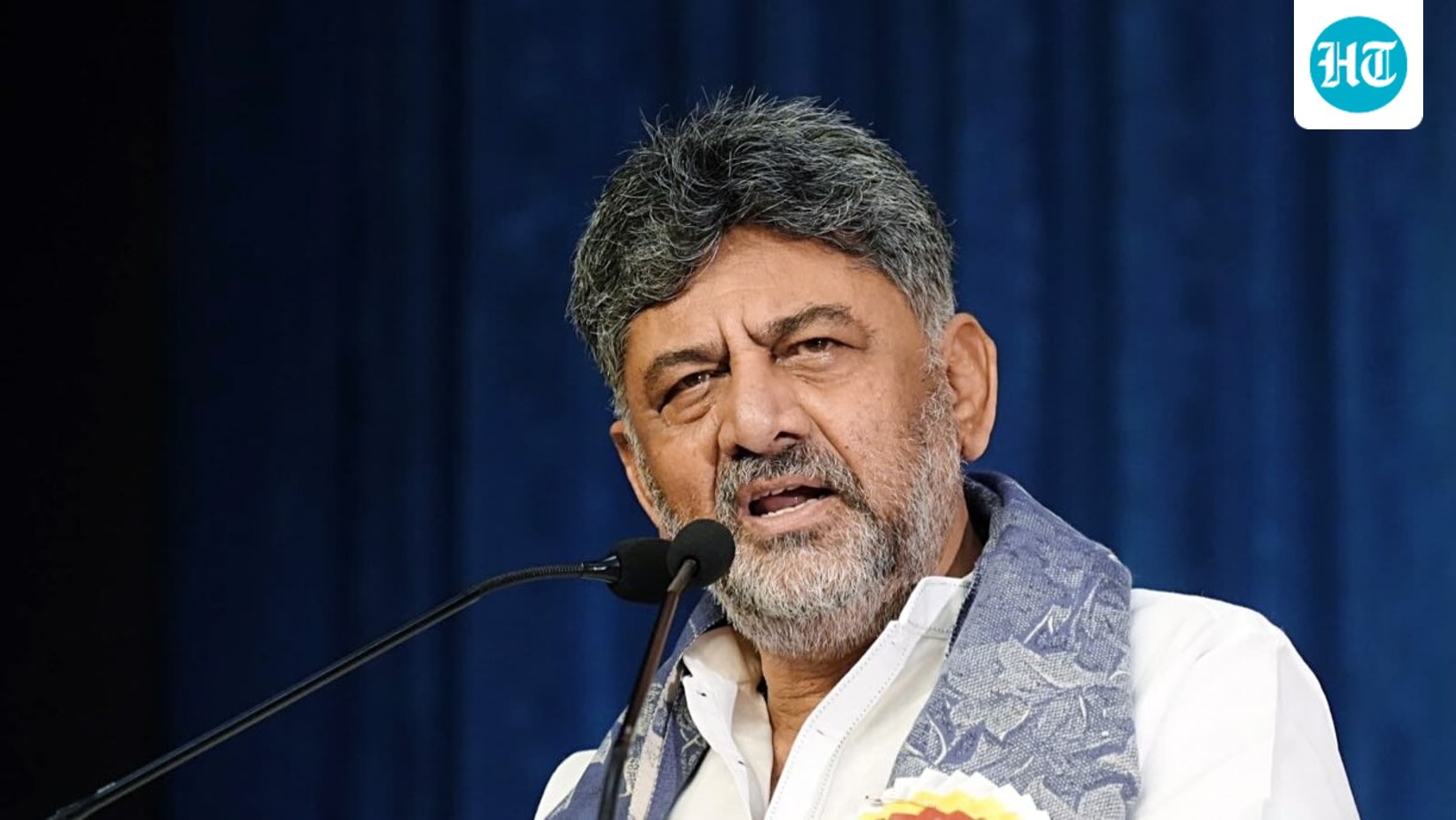
The Karnataka government has sanctioned the prosecution of IAS officer Gyanendra Kumar Gangwar regarding a major KPSC recruitment exam paper leak. The CID is expected to file a chargesheet by November 26, reflecting the state's zero-tolerance policy toward corruption.
Karnataka Takes Decisive Action in KPSC Exam Leak Scandal
The Karnataka state government has sent a strong message regarding administrative accountability by granting permission to prosecute IAS officer Gyanendra Kumar Gangwar. This decision follows allegations of a significant breach in the Karnataka Public Service Commission (KPSC) recruitment process, where question papers were leaked to candidates. By taking this step, the government aims to restore public trust in the merit-based selection system that serves as the backbone of the state's civil service.
The Anatomy of the Corruption Allegations
Investigations into the KPSC scandal revealed a deeply concerning level of malpractice. According to reports, candidates allegedly paid up to ₹40 lakh to secure early access to examination questions and answers. This high-stakes corruption not only undermines the integrity of the recruitment process but also disenfranchises thousands of honest students who rely on these exams to secure their futures. The involvement of a senior bureaucrat like an IAS officer suggests a sophisticated level of systemic failure that the state is now attempting to dismantle.
Government Stance and Political Rhetoric
Karnataka Chief Minister Siddaramaiah and Deputy Chief Minister D.K. Shivakumar have both publicly affirmed a 'zero-tolerance' policy toward corruption. Shivakumar, utilizing social media platform X, emphasized that there would be 'no protection for the guilty,' framing the prosecution as a necessary measure to safeguard the aspirations of the youth. This rhetoric serves a dual purpose: demonstrating administrative control and addressing the growing public frustration over recruitment irregularities that have plagued various state exams across India in recent years.
The Role of the CID and Legal Timelines
The Criminal Investigation Department (CID) has been central to unraveling this web of corruption. The legal clock is ticking, as the agency is mandated to file its formal chargesheet by November 26. This date is significant as it marks 90 days since the first arrest in the case, a critical juncture in Indian criminal procedure that necessitates the presentation of evidence to ensure the accused remains in custody and the judicial process proceeds without undue delay.
Broader Implications for Civil Service Recruitment
This case highlights a broader, nationwide challenge regarding the sanctity of public recruitment examinations. When high-ranking officials are implicated, it signals a need for deeper structural reforms within public service commissions. For the Karnataka government, this prosecution is not merely a legal action but a political imperative to prove that the administration is capable of policing its own ranks. Future trends will likely see increased oversight and digital security measures implemented by the KPSC to prevent similar breaches.
Conclusion: Restoring Institutional Credibility
The decision to prosecute an IAS officer in the KPSC exam scandal is a pivotal moment for the Karnataka administration. As the investigation moves toward the chargesheet phase, the focus will shift to the judicial proceedings and the potential for systemic changes. Ultimately, the government’s ability to secure a conviction will be the true test of its commitment to integrity, ensuring that public service remains a meritocratic pursuit rather than a commodity for the highest bidder.
Multiple Citing Sources
Verification Required?