How brown mussels sustain livelihoods along Thiruvananthapuram’s coast
Source Entity
India Latest News: Top National Headlines Today & Breaking News | The Hindu
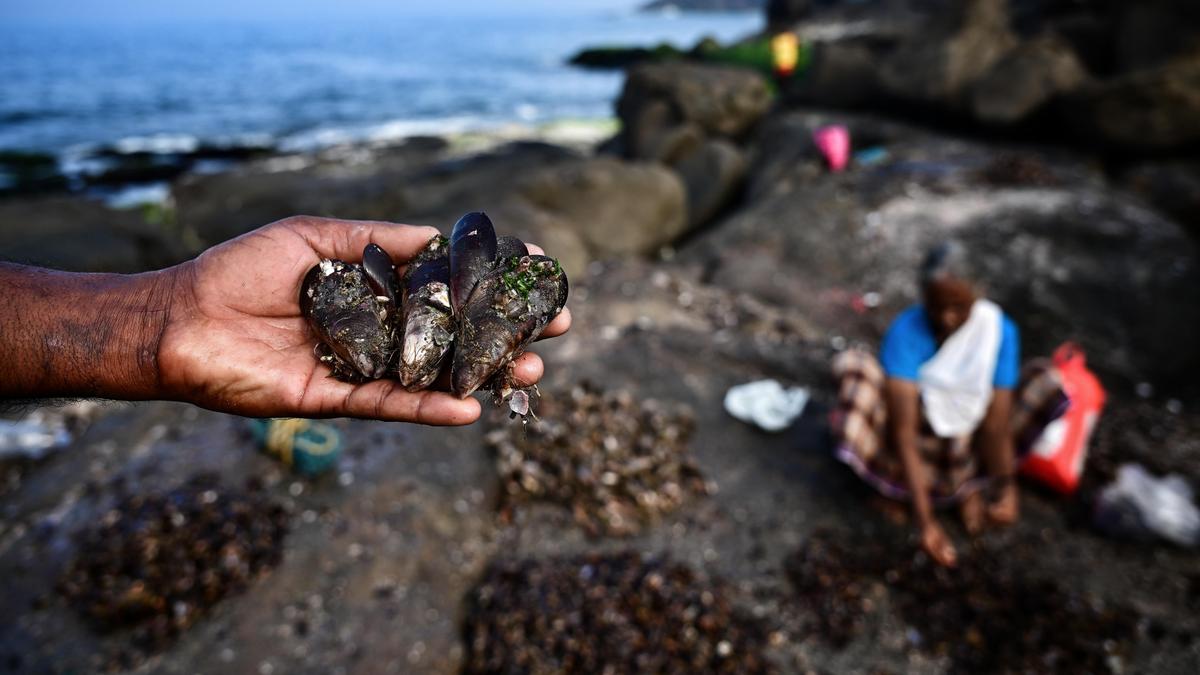
Brown mussel harvesting serves as a vital economic lifeline for coastal communities in Thiruvananthapuram. The seasonal trade, centered at Vizhinjam harbour, supports local divers who utilize traditional methods to sustain their livelihoods.
The Vital Role of Brown Mussels in Thiruvananthapuram’s Coastal Economy
Along the rugged coastline of Thiruvananthapuram, the brown mussel (Perna perna) represents far more than just a culinary delicacy; it is a fundamental pillar of the local socio-economic structure. For the traditional fisherfolk operating out of the Vizhinjam fishing harbour, these shellfish are a seasonal bounty that dictates the financial health of their households. Each morning, as catamarans return to shore laden with these dark-shelled mollusks, they bring with them the promise of stability for a community deeply rooted in maritime labor.
The Mechanics of the Harvest
The harvesting process is a testament to the physical endurance and specialized skills of the local divers. Between the months of September and February, when conditions allow, divers venture into the rocky coastal waters to manually pry mussels from the submerged rock faces. Equipped with nothing more than broad metal knives and their own breath-holding capacity, these workers engage in a labor-intensive practice that has remained largely unchanged for generations. This period of peak availability is critical, as it concentrates the year's primary income into a few months of intense, high-stakes activity.
Market Dynamics and Economic Impact
Once the catamarans reach the harbor, the transition from harvest to commerce is rapid and highly organized. The auction system at Vizhinjam is the lifeblood of this trade, where the urgency of the market meets the daily catch. With prices for a single lot reaching as high as ₹15,000, the economic ripple effect is significant. This influx of capital supports not only the divers but also the laborers who transport the baskets, the market intermediaries, and the vendors who distribute the fresh catch to seafood markets across the wider Thiruvananthapuram region.
Challenges and Sustainability
While the brown mussel trade is lucrative, it is inherently precarious. The reliance on manual diving methods limits the volume of the harvest and exposes the workers to the physical risks of the sea. Furthermore, the seasonality of the mussel population means that these coastal communities must navigate periods of scarcity. The sustainability of this livelihood is inextricably linked to the health of the rocky coastal ecosystems where the mussels thrive, making environmental preservation a matter of immediate economic necessity for the region.
Future Outlook for the Coastal Community
Looking ahead, the long-term viability of the mussel industry will depend on balancing traditional harvesting techniques with modern market demands. As urbanization and changing environmental conditions impact coastal waters, the community must continue to rely on the localized knowledge that has sustained them for years. By maintaining the integrity of the Vizhinjam auction system and protecting the rocky shorelines, these fishers ensure that the brown mussel remains a reliable source of income and a cornerstone of Thiruvananthapuram's maritime heritage.
Verification Required?