Inside a boys’ hostel
Source Entity
Latest News: Todays Latest News Headlines from India & World | Hindustan Times | Hindustan Times
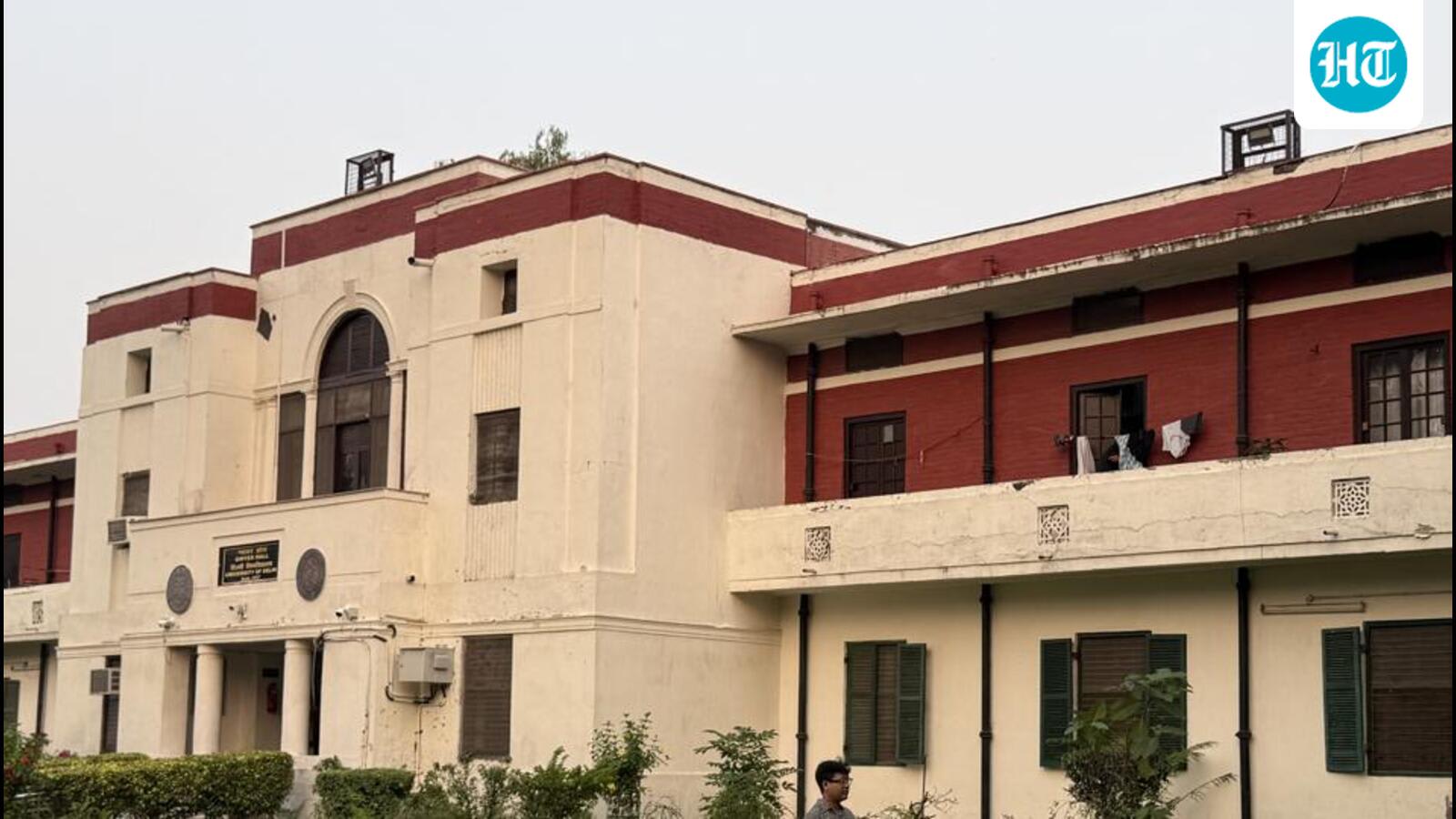
Gwyer Hall, Delhi University's 1937 hostel, offers a rare, spacious living environment for students. Its existence highlights a stark contrast to the severe housing shortage that forces many students into dangerous, unregulated accommodations.
The Architectural Legacy of Gwyer Hall
Established in 1937, Gwyer Hall stands as a testament to the historical foresight of Delhi University’s early infrastructure. As the university’s oldest hostel for men, its design reflects an era that prioritized expansive living spaces, featuring distinct architectural elements like functional fireplaces and balconies that overlook serene, palm-adorned lawns. The red-brick gateway serves as more than just an entrance; it marks a transition into a rare environment of tranquility and stability that remains an elusive luxury for the vast majority of the modern student body.
The Stark Reality of Student Housing
While Gwyer Hall provides a sanctuary, it remains an exception in a landscape defined by an acute shortage of university-provided accommodation. As Delhi University’s student population has burgeoned over the decades, the supply of institutional housing has failed to keep pace. This systemic deficit has created a vacuum, forcing thousands of students to seek shelter in private, often unregulated residential hubs surrounding the campus. The contrast between the spacious, historic halls of the university and the cramped, precarious conditions of these external rentals is profound.
The Cost of Neglect and Overcrowding
The consequences of this housing crisis are not merely administrative or aesthetic; they are life-threatening. The tragic collapse of a private building in Satya Niketan this past September, which claimed the lives of seven students, serves as a grim indictment of the current housing ecosystem. This incident was not an isolated failure but a symptom of a broader negligence where profit-driven, poorly maintained private structures are the only available options for students denied entry into university halls.
Systemic Vulnerabilities and Urban Planning
The tragedy in Satya Niketan has forced a necessary, albeit reactive, conversation regarding student safety and urban planning. When academic institutions fail to provide adequate housing, they inadvertently outsource student welfare to unregulated private entities that often prioritize density over structural integrity. The disparity between the secure, well-maintained environment of an institution like Gwyer Hall and the hazardous conditions of private rentals highlights the urgent need for a massive expansion in university-managed infrastructure.
Bridging the Gap: Future Outlook
Moving forward, the focus must shift from merely acknowledging the 'paucity of accommodation' to active policy intervention. The historical significance of Gwyer Hall reminds us that universities were once built to house their scholars comfortably, a standard that must be reclaimed. Without systemic investment in safe, affordable, and spacious student housing, the university risks further tragedies. The future of student life in Delhi depends on bridging the gap between the protected, historic campus life and the precarious reality of the city's private rental market.
Verification Required?