Why was Bryan Kohberger granted a new hearing to withdraw his guilty plea in the Idaho murders case? Explained
Source Entity
Latest News: Todays Latest News Headlines from India & World | Hindustan Times | Hindustan Times
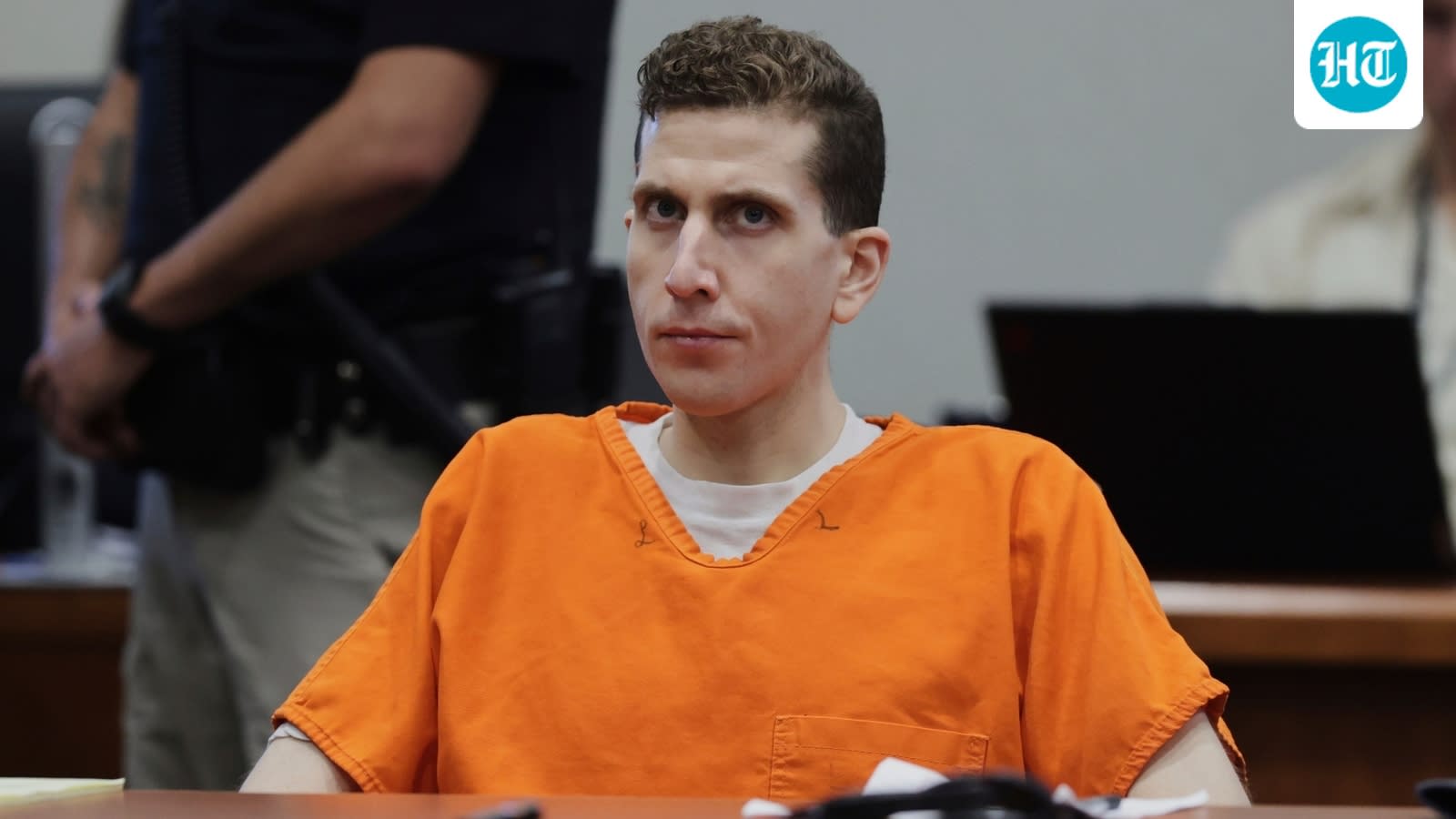
Bryan Kohberger has been granted a 2027 evidentiary hearing to contest his guilty plea in the 2022 Idaho student murders. The court will examine claims that his plea was coerced, though his current conviction and life sentences remain in effect.
The Legal Challenge: Kohberger's Path to an Evidentiary Hearing
The legal proceedings surrounding the 2022 University of Idaho murders have taken a significant, albeit procedural, turn. Bryan Kohberger, currently serving four consecutive life sentences for the tragic deaths of four students, has been granted an evidentiary hearing by the presiding judge. This hearing, set for June 17, 2027, marks a critical juncture in post-conviction relief, specifically addressing Kohberger’s assertion that his original guilty plea was obtained through pressure and coercion.
Understanding the Scope of the Hearing
It is imperative to clarify that the scheduling of this hearing does not constitute a reversal of Kohberger’s status. The four consecutive life sentences remain fully enforceable, and his conviction stands. The court’s decision is narrow in scope: it serves as a formal venue to investigate allegations that the plea process was compromised. By allowing this hearing, the judicial system is demonstrating its commitment to due process, ensuring that even in high-profile capital cases, defendants have the opportunity to substantiate claims of procedural misconduct or lack of transparency regarding evidence.
The Claim of Coercion and Evidence Disclosure
At the heart of the defendant's appeal is the argument that his plea was not entered voluntarily. Kohberger contends that he was effectively pressured into the plea and that critical evidence may have been withheld or not fully disclosed prior to the original sentencing. In the American legal system, a guilty plea must be 'knowing, voluntary, and intelligent.' Should the defense successfully demonstrate that these standards were not met, it could trigger a complex series of legal maneuvers that challenge the integrity of the initial proceedings.
Psychological Context and Case Complexity
This development occurs against a backdrop of ongoing scrutiny regarding Kohberger's mental health. Reports indicate that recent psychological evaluations have diagnosed the defendant with several disorders, adding a layer of complexity to his legal defense. These diagnostic findings may be leveraged by his legal team to argue that his capacity to enter a valid plea was impaired at the time of his conviction. The 2027 hearing will likely serve as a battleground for these psychological arguments in relation to the voluntariness of his admissions.
Broader Implications for the Justice System
High-profile cases involving multiple homicides often trigger extensive post-conviction scrutiny. The Idaho case has captivated public attention due to the brutality of the crimes and the subsequent legal maneuvers. The court's willingness to hold an evidentiary hearing years after the initial sentencing reflects the enduring nature of the appeals process. While this may provide a platform for further debate, it also highlights the system's dedication to verifying that constitutional rights—specifically the right to a fair trial and the right to enter a plea without coercion—are upheld regardless of the severity of the charges.
Future Trends and Judicial Expectations
Looking toward June 2027, the legal community will be watching closely to see how the court balances the finality of the original conviction with the necessity of addressing these serious allegations of coercion. If the defense fails to provide compelling evidence of misconduct, the life sentences will undoubtedly remain in place. However, the very existence of this hearing ensures that the narrative of the Idaho murders will continue to be litigated in the courtroom, serving as a reminder of the rigorous standards of evidence and voluntariness required in the pursuit of justice.
Verification Required?