Chris Mason: Burnham and Swinney tussle over where power lies in Scotland
Source Entity
BBC News
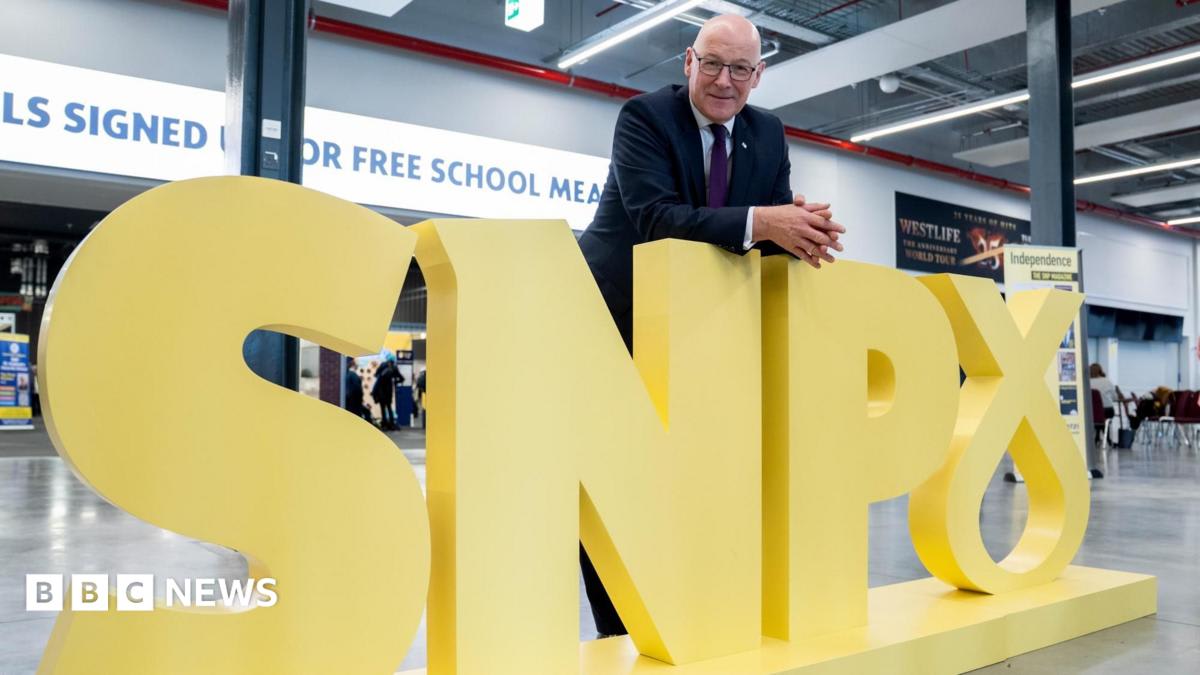
Prime Minister Burnham has initiated a push for deeper devolution in Scotland, proposing a collaborative economic development deal with the Scottish government. The initiative seeks to shift power from Holyrood to local regions while prompting a debate on the balance of authority between Westminster and the SNP.
A New Chapter in Scottish Devolution
The recent diplomatic engagement between Prime Minister Burnham and Scottish First Minister John Swinney signals a potential shift in the architecture of UK governance. During a substantive visit to North Lanarkshire, Burnham articulated a vision to move beyond traditional power structures, proposing a collaborative framework to put authority directly into the hands of Scotland's regions. This initiative, centered on regional economic development, marks a departure from the status quo by explicitly involving the Department for Work and Pensions (DWP) in future devolution discussions.
The Mechanics of Regional Empowerment
At the core of this proposal is the ambition to accelerate local government reform. Burnham’s call for further powers to be devolved from Holyrood to local areas suggests a strategic desire to decentralize authority, ensuring that economic decision-making is more responsive to local needs. By inviting the Scottish government to forge a new deal, the Prime Minister is attempting to bridge the gap between Westminster’s strategic oversight and the granular requirements of Scotland’s diverse regional economies.
Navigating the Political Landscape
This dialogue occurs against a backdrop of significant political flux. As the SNP gathers for its annual conference in Aberdeen, the party reflects on two decades of devolved power—a milestone nearing in the coming year. Despite a strong electoral history, the party faces a complex reality following the 2024 general election, which saw Labour secure a significant gain of 36 seats at the SNP's expense. This shift has fundamentally altered the political geography of Scotland, forcing a reconsideration of how power is exercised and perceived.
Constructive Engagement or Political Rivalry?
First Minister John Swinney has expressed a willingness to work constructively with Westminster, signaling an openness to further powers for the Scottish Parliament. However, the tension remains palpable. While Swinney advocates for maximum autonomy for Holyrood, Burnham’s insistence that local reform must "move fast" highlights a potential friction point: whether power should reside primarily at the national Scottish level or be further distributed to local councils and regional bodies.
Broader Implications and Future Trends
This tug-of-war over "where power lies" is indicative of a broader trend in UK politics. The presence of both the Prime Minister and opposition leaders like Kemi Badenoch in Scotland underscores the region's central importance to the national political narrative. As the UK government seeks to reshape regional economic development, the success of this initiative will likely depend on the ability of both governments to reconcile their competing visions of decentralization. If successful, this "deeper devolution" could set a precedent for how the UK balances regional autonomy with national economic strategy for years to come.