NSCN leaders retract RSS-related statement on former Nagaland CM
Source Entity
India Latest News: Top National Headlines Today & Breaking News | The Hindu
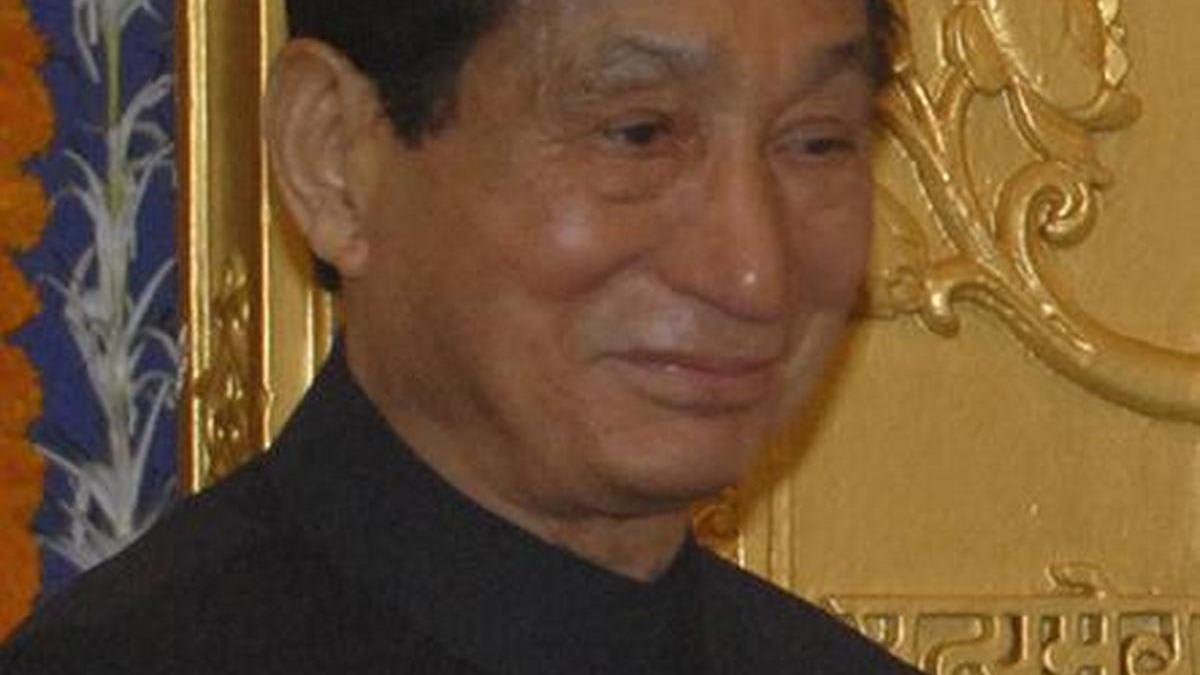
NSCN leaders V.S. Atem and R.H. Raising have retracted their controversial statement regarding former Nagaland CM S.C. Jamir. This withdrawal follows a 15-day ultimatum issued by the Ao Senden tribal body.
The Retraction of the NSCN Statement: A Diplomatic Pivot
In a significant development concerning the fragile landscape of the Naga political peace process, two senior leaders of the National Socialist Council of Nagalim (NSCN), V.S. Atem and R.H. Raising, have formally retracted their September 16 statement. The original statement had publicly questioned the authority of former Nagaland Chief Minister S.C. Jamir to comment on the ongoing Naga political discourse. This reversal, issued on October 6, 2026, marks a cooling of tensions between the militant faction and one of the state's most prominent political figures.
The Role of the Ao Senden
The catalyst for this retraction was a firm ultimatum issued by the Ao Senden, the apex tribal body representing the Ao Naga community. By setting a 15-day deadline for the NSCN leaders to withdraw their remarks against Mr. Jamir, the Ao Senden demonstrated the significant influence that traditional tribal institutions still wield over political and militant actors in Nagaland. This intervention highlights the deep-seated cultural reverence for senior political figures and the role of tribal bodies as mediators in local disputes.
Contextualizing the NSCN (I-M)
The NSCN, specifically the Isak-Muivah faction (NSCN-I-M), remains a central player in the region's stability. Having maintained a ceasefire agreement with the Indian government since 1997, the group often finds itself navigating the complex intersection of armed struggle and formal political negotiations. The mention of S.C. Jamir’s meeting with RSS chief Mohan Bhagwat underscores the sensitive nature of these interactions, as the Naga peace process often triggers scrutiny regarding the involvement of national-level political organizations in regional affairs.
Implications of the RSS Connection
The initial controversy stemmed from Mr. Jamir’s engagement with Mohan Bhagwat, the leader of the Rashtriya Swayamsevak Sangh (RSS). In the context of Naga politics, where the quest for autonomy and cultural preservation is paramount, any interaction between local leaders and national ideological organizations can be viewed with suspicion by groups like the NSCN. The retraction suggests a strategic decision by the NSCN to avoid unnecessary confrontation with influential tribal bodies while the broader political negotiations remain in a delicate state.
Future Trends in Naga Political Discourse
This event serves as a microcosm of the broader challenges inherent in the Naga peace process. As the NSCN and the Indian government continue to negotiate, the role of local stakeholders—including former chief ministers and tribal councils—will remain critical. Moving forward, the ability of these groups to manage public perception and navigate internal pressures will determine the sustainability of the ceasefire. The retraction signals a preference for stability and a recognition that alienating key segments of the Naga population is counterproductive to their long-term political objectives.
Conclusion
The withdrawal of the statement by V.S. Atem and R.H. Raising is a testament to the power of civil society in moderating political conflict in Nagaland. While the core issues surrounding the Naga political solution remain unresolved, this incident underscores the necessity for all parties to respect local traditional hierarchies to maintain order. The episode highlights a critical juncture where regional traditional authority successfully exerted pressure on militant leadership, potentially setting a precedent for future conflict resolution efforts.
Verification Required?