Fudged records to pay party faithful: CAG flags anomalies in Cyclone Amphan relief under TMC
Source Entity
Atri Mitra
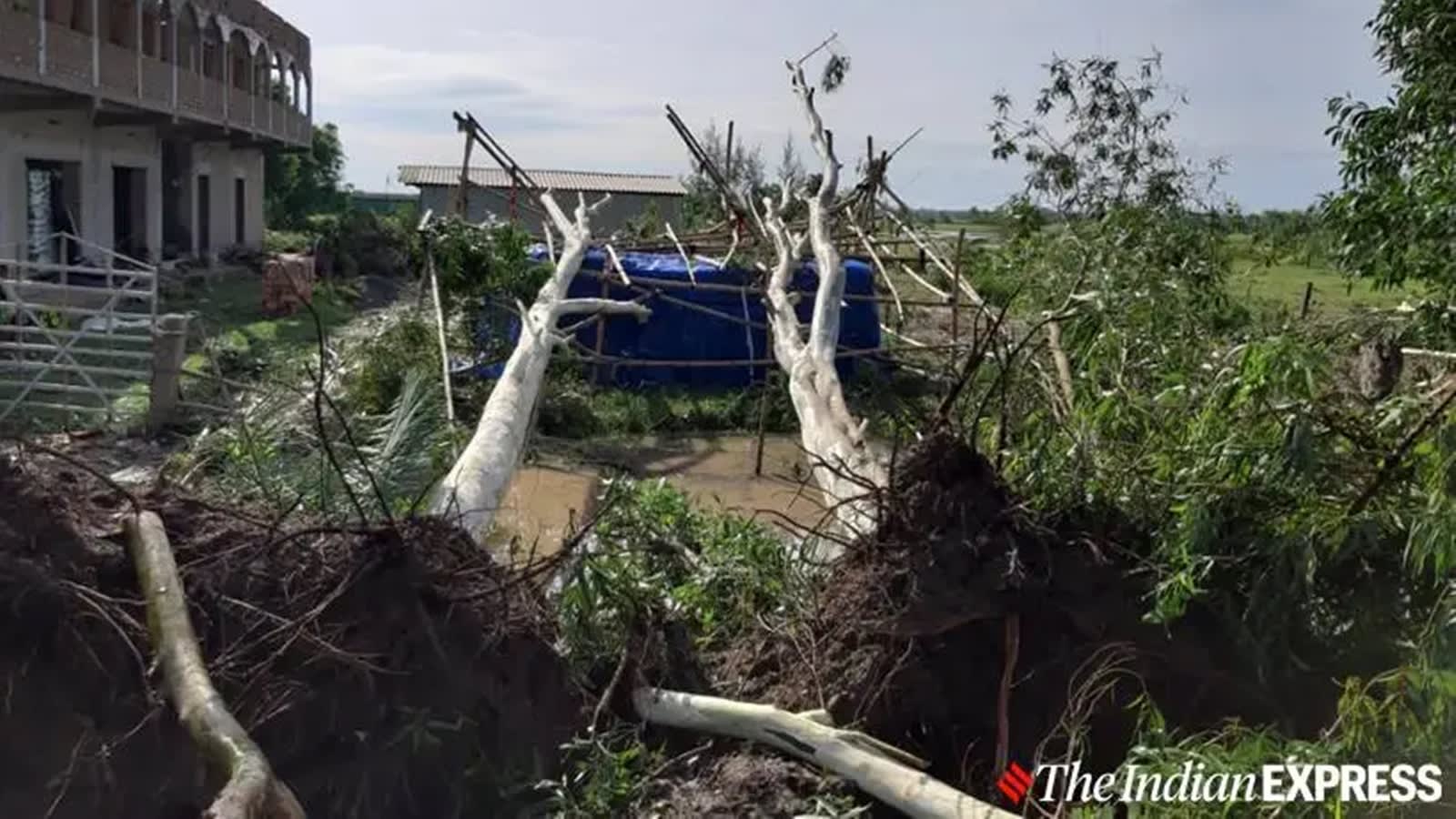
The CAG report has uncovered significant irregularities in West Bengal's Cyclone Amphan relief distribution, highlighting duplicate claims and political interference. The findings suggest systemic mismanagement in the allocation of government grants to beneficiaries.
Audit Reveals Systematic Failures in Cyclone Amphan Relief
A recent report by the Comptroller and Auditor General (CAG) has brought to light alarming discrepancies in the distribution of relief funds following the devastating Cyclone Amphan in West Bengal in 2020. The audit indicates that the state government’s management of restoration funds was marred by a lack of empirical evidence, raising serious questions about the transparency and accountability of the TMC-led administration during a period of humanitarian crisis.
The Mechanics of Misappropriation
At the core of the audit’s findings is a troubling pattern of fraudulent documentation. The CAG analyzed a sample of 31,457 photographs submitted as proof of damage; shockingly, 3,126 of these were identical images used to support multiple, distinct claims. This suggests a systemic effort to bypass verification protocols, allowing for the potential siphoning of public funds through duplicate transactions that totaled at least Rs 18.07 crore.
Political Interference in Aid Allocation
Beyond mere administrative errors, the report highlights a concerning trend of political influence over disaster relief. The CAG noted that many grants were sanctioned based on the direct recommendations of local political leaders rather than objective damage assessments. This practice effectively undermined the integrity of the relief process, transforming a humanitarian response into a mechanism for patronage, where party loyalty appears to have superseded genuine need.
Inaccurate Damage Classification
The audit further criticized the state government for failing to provide proper evidence for its damage estimates. By incorrectly classifying damaged houses, the administration obscured the true scale of the disaster’s impact, preventing an equitable distribution of resources. This lack of rigorous oversight meant that funds intended for the most vulnerable citizens were likely misdirected or duplicated, leaving many truly affected individuals without adequate support.
Broader Implications and Future Trends
The implications of these findings are profound, pointing to a need for radical reform in how disaster relief funds are managed and audited at the state level. The reliance on digital verification failed due to the lack of human-centric oversight, suggesting that future disaster management frameworks must integrate more robust, tamper-proof technologies. This report serves as a critical case study on the dangers of allowing political discretion to interfere with the delivery of essential government services.
Conclusion
In summary, the CAG’s exposure of these anomalies provides a stark reminder of the risks associated with unchecked executive power during emergency responses. As the state faces the recurring threat of natural disasters, the demand for transparency and a depoliticized relief distribution mechanism has never been more urgent. Moving forward, the government must address these structural failures to restore public trust and ensure that aid reaches those who need it most.